

Alpaca vs llama is one of the most common mix-ups travelers encounter when exploring South America’s Andes or shopping for natural fiber gear. These two camelids look similar at first glance, yet they serve very different roles in nature, culture, and modern travel wardrobe.
Alpacas deliver some of the softest, warmest, and most luxurious wool available, perfect for lightweight packing and all-season comfort. For those exploring other high-end fibers, cashmere wool offers similarly soft and insulating qualities, ideal for cold-weather layers. Llamas, larger and stronger, were bred primarily as pack animals, with coarser fiber better suited for rugged uses.
For minimalist backpackers seeking sustainable, high-performance natural materials, understanding alpaca vs llama helps choose the right wool for adventures. In this guide, we break down the animals’ differences, compare their wool (including alpaca vs merino wool and warmth vs cashmere), and share practical care tips.
This blog is supported by the community. We may earn a small commission if you purchase through our links. As an Amazon Associate, we earn from qualifying purchases. See our Privacy Policy.
What Are Alpacas and Llamas? Origins & Basics
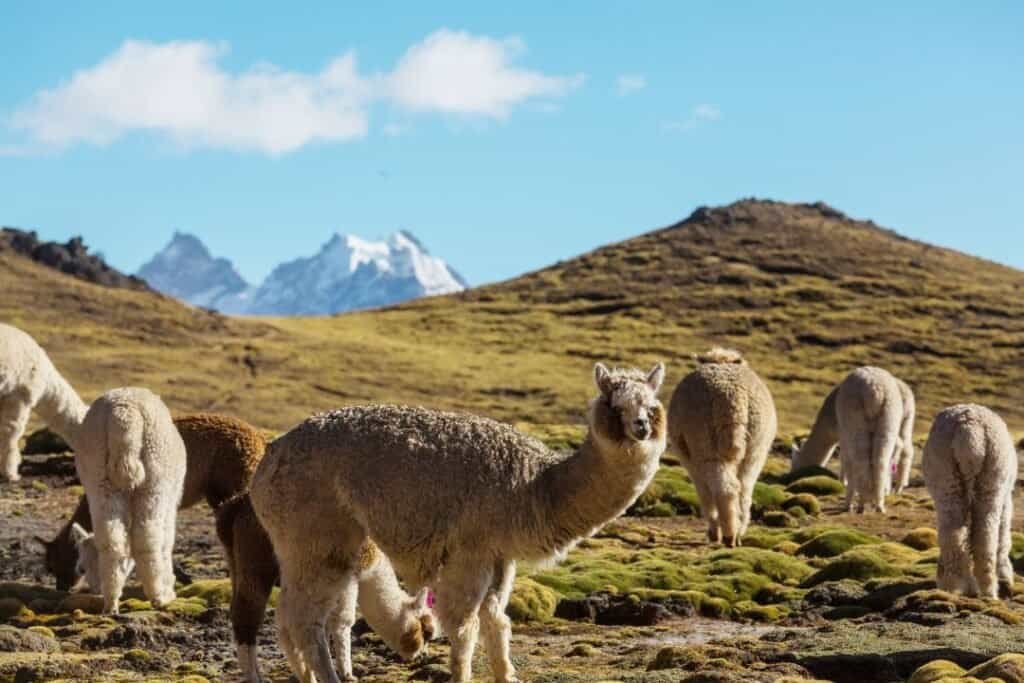
Both alpacas and llamas belong to the camelid family (along with camels, vicuñas, and guanacos) and originate from the high Andes of South America, particularly Peru, Bolivia, and Chile. Domesticated thousands of years ago by Andean peoples like the Incas, they thrive in harsh, high-altitude environments.
Alpacas were selectively bred for their fine, luxurious fiber, while llamas were developed as strong pack animals capable of carrying loads over rugged terrain.
Alpaca vs Llama: Physical & Behavioral Differences
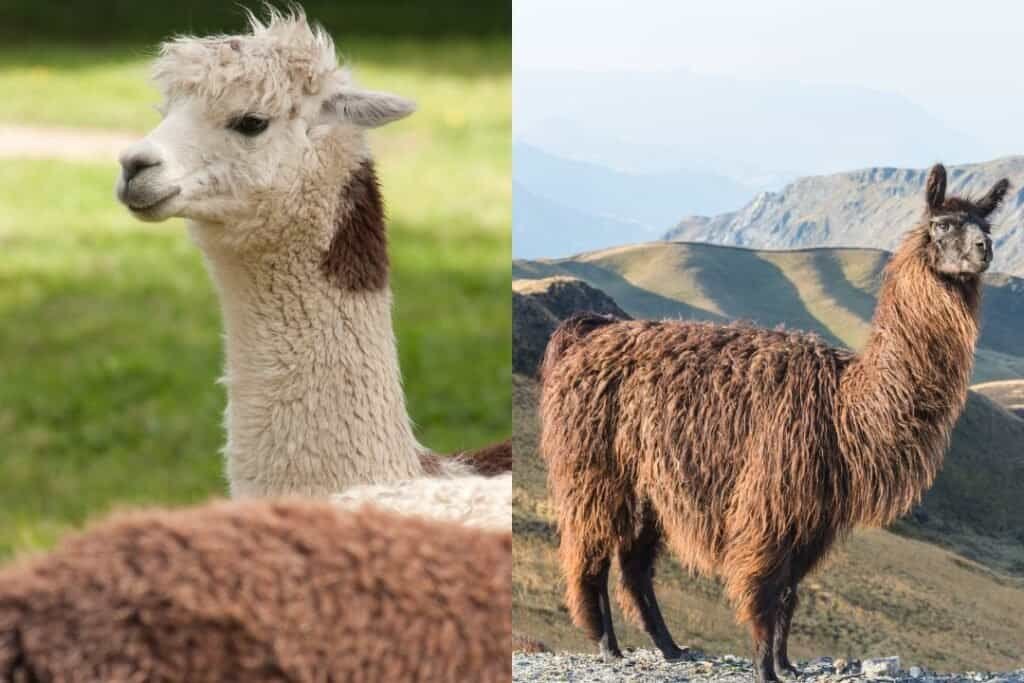
Spotting alpaca vs llama becomes easy once you know the telltale signs:
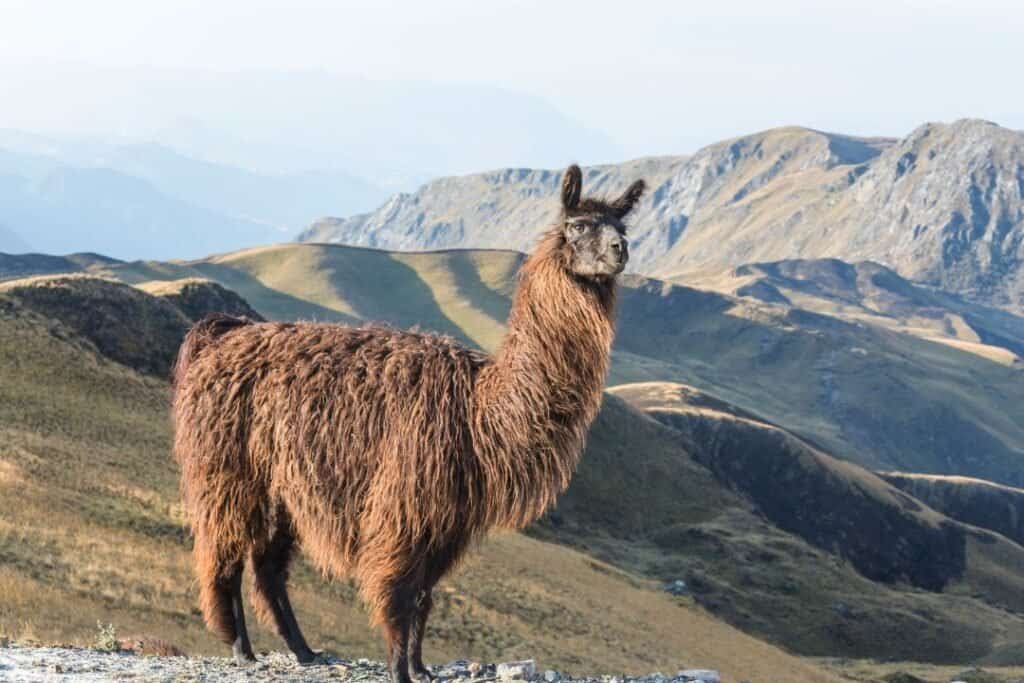
- Size & Build — Llamas are much larger (up to 5–6 feet tall at the shoulder, 250–450 lbs), while alpacas are smaller and more compact (around 3 feet tall, 120–180 lbs).
- Ears — Llamas have long, banana-shaped ears; alpacas have shorter, spear-like ears.
- Face — Alpacas have a fluffier, teddy-bear-like face; llamas have a longer, more angular face.
- Temperament — Alpacas are gentle and shy; llamas are bolder, often used as guards for herds.
- Purpose — Llamas serve as pack animals (carrying up to 50–75 lbs); alpacas focus on fiber production.
Alpaca Wool vs Llama Wool: The Key Comparison
The biggest practical difference for travelers lies in the wool/fiber.
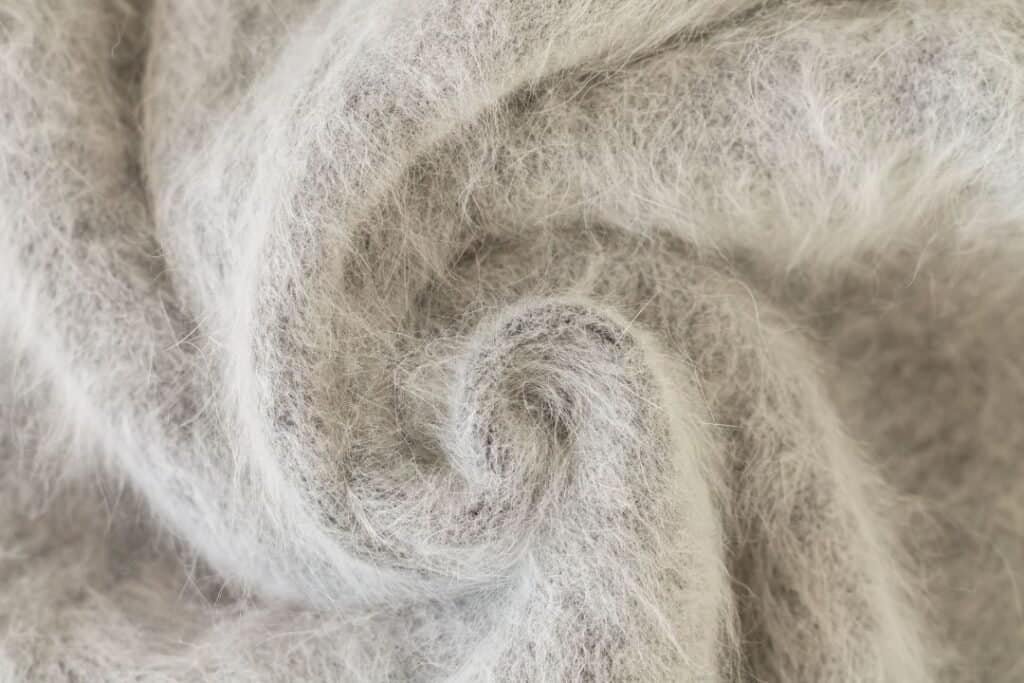
Alpaca wool is fine (typically 18–30 microns for high-quality, baby alpaca even finer), soft, silky, and hypoallergenic. It has a hollow core that traps air for exceptional insulation, making it lightweight yet warm.
Llama wool is coarser (25–65 microns), stronger, and more durable, but less suitable for next-to-skin garments due to its texture. It’s often used for ropes, blankets, or outerwear.
| Aspect | Alpaca Wool | Llama Wool/Fiber |
|---|---|---|
| Fiber Fineness | 18–30 microns (very fine, soft) | 25–65 microns (coarser) |
| Softness | Extremely soft, luxurious | Rougher, less comfortable next-to-skin |
| Warmth | Excellent (hollow core traps air) | Good insulation, but heavier |
| Durability | Strong, resilient with care | Very rugged, abrasion-resistant |
| Best Uses | Sweaters, scarves, socks, base layers | Outerwear, blankets, ropes |
| Availability | Widely exported (Peru/Bolivia dominant) | More local/artisanal |
Is Alpaca Wool Itchy?
high-quality alpaca wool is rarely itchy. Unlike sheep wool, it lacks lanolin (a common irritant) and has smooth, fine fibers without harsh scales. Many with sensitive skin or wool allergies find alpaca comfortable, often comparing it to cashmere wool. Lower-grade or blended alpaca might feel slightly prickly, so opt for 100% baby or royal alpaca for the softest experience.
Is Alpaca Wool Warmer Than Cashmere?
Yes, in most cases alpaca wool often outperforms cashmere in warmth-to-weight ratio. Its partially hollow fibers trap air more effectively, providing superior insulation while staying breathable. Cashmere feels incredibly soft and lightweight, but alpaca’s structure gives it an edge for cold-weather trekking. Both are luxurious, but alpaca tends to be more durable and affordable.
Alpaca vs Merino Wool: How They Stack Up for Travelers
Merino wool excels in moisture-wicking and odor resistance which is ideal for hikes. Alpaca offers comparable softness (especially baby alpaca), better warmth per weight, and natural water resistance. Both are hypoallergenic and sustainable, but alpaca feels silkier and packs smaller for minimalist bags. Many backpackers blend them or choose alpaca for colder, variable climates.
How to Clean Alpaca Wool
Alpaca wool resists dirt and odors naturally, so wash sparingly and air it out often. Follow these steps and your alpaca clothes will last years of adventures.
- Hand Wash — Use cool/lukewarm water and mild wool detergent (no bleach or softener). Gently swish, rinse thoroughly, then press (don’t wring) in a towel to remove water.
- Machine Wash — If labeled safe, use cold delicate cycle in a mesh bag.
- Drying — Lay flat on a towel to air-dry. never tumble dry or hang (to avoid stretching).
- Storage — Fold in breathable bags with cedar or lavender to deter moths.
Sustainability & Ethical Sourcing: Why It Matters
Alpaca herding supports Andean communities with low-impact grazing. Alpacas don’t uproot grass, need less water, and promote biodiversity. Choose ethically sourced, traceable wool from cooperatives in Peru or Bolivia. Certifications like Fair Trade ensure fair wages and humane treatment.
Why Alpaca Wool Wins for Backpackers
For travelers who pack light and value comfort across climates, alpaca wool offers unbeatable softness, warmth, and durability. It’s hypoallergenic, low-maintenance, and sustainable – perfect for multi-day treks or city-to-trail transitions.
FAQs
Alpaca vs llama?
Alpacas are smaller, bred for fine wool; llamas are larger, used as pack animals with coarser fiber.
Is alpaca wool itchy?
No, high-quality alpaca is smooth, hypoallergenic, and rarely causes irritation.
How to clean alpaca wool?
Hand-wash in cool water with mild detergent, press out water, and lay flat to dry.
How to wash alpaca wool sweater?
Use gentle cycle or hand-wash cold; avoid hot water, bleach, or dryers.
Is alpaca wool warmer than cashmere?
Often yes as its hollow fibers trap more air for superior insulation.
Alpaca vs merino?
Alpaca feels silkier and warmer per weight; merino wicks moisture better for active use.