

Alpaca wool blankets provide reliable warmth with breathable properties. They suit various settings from home to outdoor use. People choose them for their natural feel and durability. Check our guide on wool blankets for more options in natural fibers.
These blankets focus on comfort through high-quality materials. Sustainability plays a key role in their production. Alpaca wool offers hypoallergenic benefits for sensitive skin. Explore similar natural choices in our cashmere blankets section.
We selected these products based on ratings, reviews, and material purity. They support conscious choices by avoiding synthetics. See our recommendations on merino wool blankets for additional natural alternatives.
This blog is supported by the community. We may earn a small commission if you purchase through our links. As an Amazon Associate, we earn from qualifying purchases. See our Privacy Policy.
The Best Alpaca Wool Blankets at a Glance
- Best Overall: Natural Alpaca & Sheep Wool Blanket
- Best Heavyweight Blend: Thick Alpaca Wool Blanket Heavyweight for Camping
- Best Lightweight Throw: 100% Baby Alpaca Throw Blanket
- Best Luxury Pure: Maras 100% Baby Alpaca Wool Throw Blanket
- Best Eco Blend: Puna Blessing 100% Natural Fiber Eco Alpaca Wool Cotton Blanket
- Best Undyed Pure: 100% Alpaca Wool Blanket Throw Solid Color Design
- Best Striped Blend: Alpaca Warehouse 100% Natural Alpaca and Sheep Wool Blanket
Best Alpaca Wool Blankets
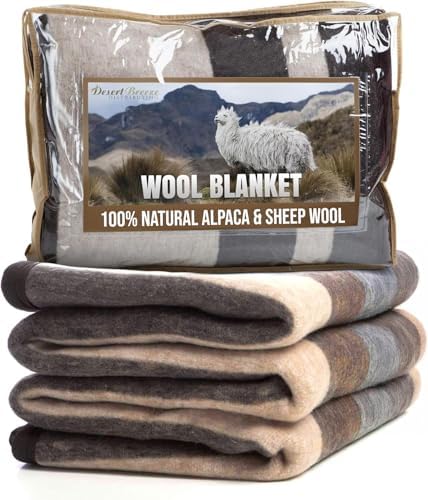
This blanket delivers consistent warmth through its 50/50 alpaca and sheep wool blend. Users benefit from its breathability that prevents overheating during use. The material holds up well over time with proper care. It suits people seeking durable natural options for daily comfort.
Key Specs:
Material: 50% alpaca and 50% sheep wool
Weight: 5.5 pounds
Size: Full/Queen (72 x 88 inches)
Best Use: Home bedding or outdoor layering
Notable Feature: Machine washable for easy maintenance
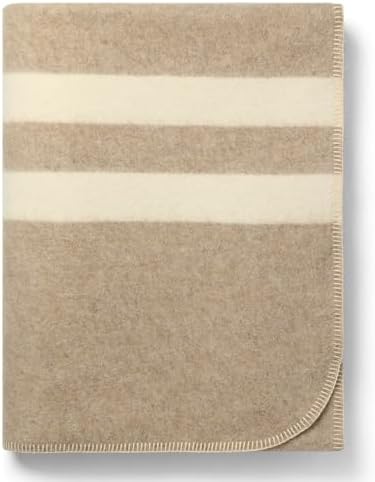
The recycled fiber mix provides solid insulation for cooler conditions. It offers comfort without itch for most users. Durability comes from the tight weave and Peruvian craftsmanship. This option works for those needing a sturdy blanket in various environments.
Key Specs:
Material: 52% Recycled Alpaca, 33% Recycled Wool, 15% Cotton
Weight: 3.74 pounds
Size: Twin (82 x 62 inches)
Best Use: Camping or indoor warmth
Notable Feature: Breathable to avoid overheating
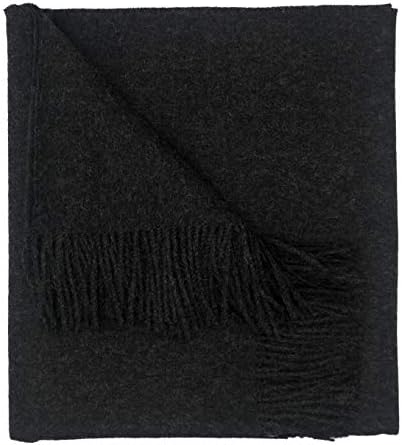
Pure baby alpaca ensures a soft touch and hypoallergenic properties. The lightweight design makes it easy to pack or drape. It maintains warmth across seasons without bulk. People with sensitivities find it reliable for everyday use.
Key Specs:
Material: 100% Baby Alpaca
Weight: 1.2 pounds
Size: 72 x 51 inches
Best Use: Travel or casual layering
Notable Feature: Eco-friendly with no dyes

This blanket uses premium fibers for superior softness and breathability. It regulates temperature effectively for comfort. The reversible design adds versatility. Those valuing high-end natural materials appreciate its quality.
Key Specs:
Material: 100% Baby Alpaca Wool
Weight: 1.56 pounds
Size: 72.5 x 57.5 inches
Best Use: Home decor or gifting
Notable Feature: 8x warmer than sheep wool
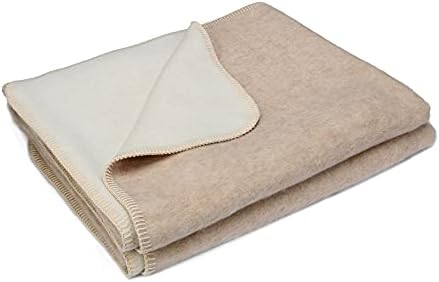
The undyed blend supports sustainable practices with biodegradable materials. It provides warmth and softness for sensitive skin. The biface design offers two color options in one. Users focused on ethics benefit from its Peruvian sourcing.
Key Specs:
Material: 84% Alpaca Wool, 16% Cotton
Weight: 3.4 pounds
Size: 80 x 60 inches
Best Use: Bed or couch covering
Notable Feature: Hypoallergenic and reversible
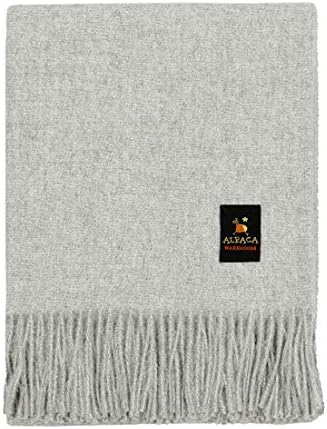
Pure alpaca wool gives natural insulation without chemicals. The solid color fits various settings easily. It stays soft and warm through regular use. This choice appeals to those preferring minimal processing.
Key Specs:
Material: 100% Alpaca Wool
Weight: 1.7 pounds
Size: 64 x 52 inches
Best Use: Sofa or bed throw
Notable Feature: No dyes for natural colors
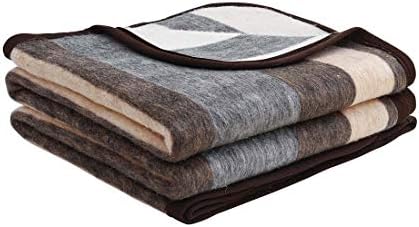
The equal wool mix creates a thick layer for cold weather. Earth tones in stripes add a practical style. It breathes well to maintain comfort. People in chilly areas value its reliable performance.
Key Specs:
Material: 50% Alpaca Wool, 50% Sheep Wool
Weight: 6.69 pounds
Size: Full/Queen (87 x 73 inches)
Best Use: Outdoor activities or home
Notable Feature: Tight weave for durability
How to Choose the Right Alpaca Wool Blanket
Consider Material Purity and Blends
Look for 100% alpaca options if you want pure natural fibers. These provide excellent breathability and hypoallergenic qualities. Blends with cotton or sheep wool add durability without synthetics. Check labels to ensure no added chemicals. This helps match the blanket to your needs.
Evaluate the fiber source for ethical practices. Undyed versions reduce environmental impact. Weigh the pros of each composition. Pure alpaca suits lighter use while blends handle heavier duty.
Assess Weight and Size for Your Needs
Lightweight blankets work well for travel or layering. They pack easily and provide warmth without bulk. Heavier options offer more insulation for cold nights. Measure your space to pick the right dimensions. This ensures proper fit and function.
Consider throw sizes for versatility on couches or beds. Larger queen or king versions cover more area. Test the feel if possible before buying. Balance weight with portability. Proper sizing prevents discomfort during use.
Check Care Instructions and Durability
Most alpaca blankets need dry cleaning or hand washing. This preserves the fibers over time. Machine-washable blends offer easier maintenance. Read reviews for real experiences on longevity. Choose based on your cleaning routine.
Durable weaves resist pilling and shedding. Natural scents may fade with airing. Invest in quality for longer life. Factor in warranty if available. This supports sustainable ownership.
Evaluate Warmth and Breathability
Alpaca wool regulates temperature naturally. It keeps you warm in cold and cool in warmth. Look for weave density to gauge insulation. Thicker blankets suit winter use. This property makes them versatile year-round.
Test for itch if sensitive. Baby alpaca tends to be softer. Reviews often note comfort levels. Prioritize breathability for better sleep. These features enhance daily use.
FAQs
What are the disadvantages of alpaca wool blankets?
Alpaca wool blankets are less elastic than sheep wool, which means they can stretch if not handled gently. They are also typically more expensive due to ethical sourcing and limited supply. Improper washing or heat exposure can damage the fibers.
Is alpaca good for blankets?
Yes, alpaca is excellent for blankets. The fibers are lightweight, warm, breathable, and naturally hypoallergenic. Alpaca blankets provide insulation without heaviness and stay comfortable across a range of temperatures.
Can alpaca wool go in the dryer?
No, alpaca wool should not go in the dryer. Heat and agitation can shrink or distort the fibers. Alpaca blankets should be air dried flat after gentle washing to maintain their shape and softness.
What is the best brand of alpaca wool?
There is no single best brand, but high quality alpaca wool usually comes from trusted Peruvian, Bolivian, or small batch U.S. makers that use 100 percent alpaca fiber and ethical sourcing. Look for clear fiber content, craftsmanship details, and consistent customer feedback rather than brand names alone.
Can alpaca blankets be used outdoors?
Yes, their breathability and warmth suit outdoor activities. Protect from excessive moisture. Durable blends handle rough use better. Store properly after use.
Enjoyed our Guide? Read More
Best 100% Wool Scarves: Cashmere, Merino, Alpaca
34 Best Travel Gifts for Backpackers
The Best Alpaca Wool Socks in 2025