

Ankle compression socks play an important role in supporting circulation and reducing foot fatigue without the bulk of taller designs. Ankle-height compression offers targeted support around the foot and ankle while fitting easily into everyday shoes. This balance makes them practical for warm climates, packed travel schedules, and daily wear.
Comfort and material choice matter with compression socks, especially when they are worn for hours at a time. Some ankle compression socks rely on copper-infused synthetic blends for structured pressure and recovery support. Others use merino wool blends to add temperature regulation, moisture control, and odor resistance while still offering gentle compression zones. The right option depends on how much compression you need and how you plan to use them.
The ankle compression socks featured here were chosen to cover a range of benefits, whether that is medical-grade compression, arch support for plantar fasciitis, or merino wool comfort for long travel days. All of them stay low cut and practical, supporting movement rather than getting in the way. This keeps gear choices intentional and easy to live with.
This blog is supported by the community. We may earn a small commission if you purchase through our links. As an Amazon Associate, we earn from qualifying purchases. See our Privacy Policy.
At a Glance
- Best Medical-Grade Compression: NEENCA Copper Compression Socks
- Best Cotton Pack: Iseasoo Copper Ankle Compression Socks
- Best Gentle Compression for Daily Wear: ANTSANG Merino Wool Ankle Compression Socks
- Best Breathable Merino Toe Design: ORVYTHA Merino Wool Toe Compression Socks
- Best Merino Wool Compression Pack: Welwoos Merino Wool Compression Socks
- Best Cold Weather Compression: EBMORE Merino Wool Compression Socks
Best Ankle Compression Socks

NEENCA ankle compression socks are designed for firm, medical-grade support focused on circulation, swelling, and recovery. With 20–30 mmHg compression, they provide structured pressure around the ankle and foot without extending up the calf. The copper-infused synthetic blend offers durability and a secure fit for long wear.
Key Specs:
Material: 24% copper ions infused fiber, 62% nylon, 14% spandex
Best Use: Injury recovery, travel, swelling, long flights
Notable Feature: Patented ankle tuck compression with six compression rings
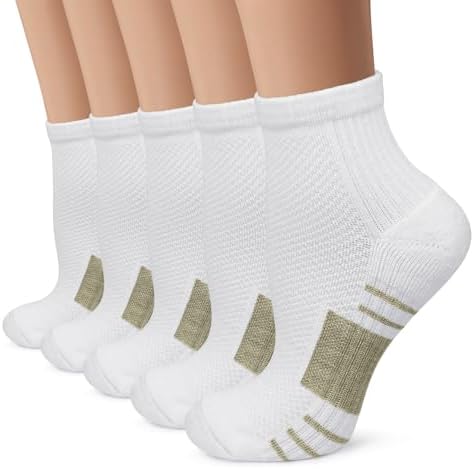
Iseasoo ankle compression socks focus on arch and ankle support, making them a strong option for plantar fasciitis and foot fatigue. The low-cut design keeps them easy to wear with running or work shoes. Compression levels between 15-20 mmHg offering support without feeling restrictive.
Key Specs:
Material: 85% cotton, 8% copper fiber, 7% spandex
Best Use: Plantar fasciitis, walking, nursing, running
Notable Feature: Arch-focused compression with moisture-wicking construction
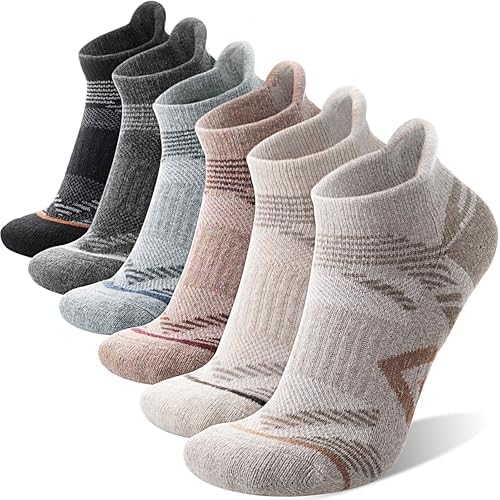
ANTSANG ankle compression socks offer lighter compression aimed at daily comfort and circulation support. With 8–10 mmHg compression, they are well suited for people who want stability without strong pressure. The merino wool blend supports moisture control and odor resistance.
Key Specs:
Material: 70% merino wool, 23% polyester, 5% spandex, 2% nylon
Best Use: Walking, everyday wear, light activity
Notable Feature: Gentle compression with ventilation channels
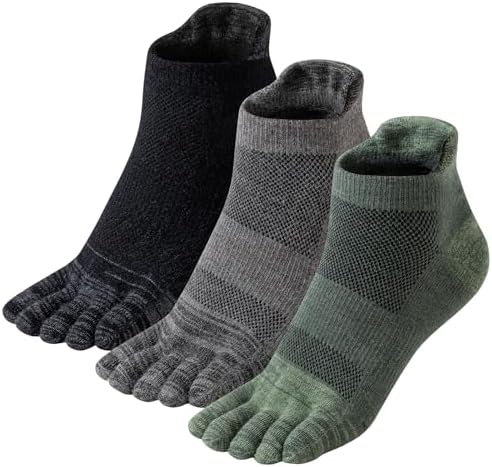
ORVYTHA ankle compression socks use a toe sock design to reduce friction while offering gentle arch compression. The merino wool blend helps regulate temperature and manage moisture across different seasons. These socks stay secure at the ankle and support natural foot movement.
Key Specs:
Material: 70% merino wool, 23% polyester, 5% spandex, 2% nylon
Best Use: Hiking, running, daily wear
Notable Feature: Individual toe construction with arch compression

Welwoos ankle compression socks combine merino wool comfort with compression zones designed to support circulation and reduce foot fatigue. The thicker construction adds warmth and cushioning, making them useful for hiking, colder travel days, or extended outdoor use. The pack format works well for people rotating socks on longer trips.
Key Specs:
Material: 70% merino wool
Best Use: Hiking, running, outdoor travel
Notable Feature: Stretchy compression zones with cushioned sole

EBMORE ankle compression socks are built for warmth while still offering targeted compression around the foot and ankle. The cushioned sole and elastic support help reduce fatigue during cold-weather travel or winter walks. They work well for people who want compression without moving to knee-high socks.
Key Specs:
Material: 70% merino wool
Best Use: Cold weather travel, hiking, daily wear
Notable Feature: Thermal insulation with compression support
How to Choose the Right Ankle Compression Socks
How Compression Socks Support Circulation During Travel and Daily Movement
Compression socks work by applying graduated pressure around the foot, ankle, and lower leg. This gentle pressure helps encourage blood flow back toward the heart, which can reduce pooling in the feet and ankles during long periods of sitting or standing. For travelers, this is especially relevant on long flights, bus rides, or train journeys where movement is limited for hours at a time.
Improved circulation often translates into less swelling, reduced heaviness in the legs, and better overall comfort by the end of the day. People who already prioritize movement, grounding, and circulation may also find compression socks pair well with practices like earthing for inflammation support, especially when travel or urban environments limit barefoot time.
Merino Wool vs Synthetic Compression Socks
Most compression socks rely heavily on synthetic fibers to maintain elasticity and pressure. While effective for structure, fully synthetic socks can trap heat and moisture during extended wear. Merino wool compression socks offer a different experience by combining targeted compression zones with the natural performance benefits of wool.
Merino wool helps regulate temperature, keeping feet warm in cool conditions and comfortable in warmer climates. It also manages moisture more effectively than many synthetic blends, which can reduce friction and odor over time. This makes merino compression socks a practical option for travelers who already lean toward natural materials, similar to those choosing wool for base layers or everyday clothing discussed in the wool guide.
Compression Socks for Recovery, Running, and Active Lifestyles
Beyond travel, compression socks are commonly used for post activity recovery and daily training support. Runners often wear them after long runs to help reduce calf tightness and support circulation during recovery periods. While they are not a replacement for proper rest or mobility work, they can complement routines focused on longevity and injury prevention.
Those who spend time running in colder conditions may pair compression socks with other cold weather essentials, especially when circulation becomes more noticeable in low temperatures. This approach fits well alongside broader considerations covered in running gear for cold weather, where warmth, breathability, and comfort all play a role.
When Compression Socks Make the Most Sense
Compression socks are not necessary for everyone, but they can be useful in specific situations. Long haul travel, recovery days after intense activity, pregnancy related swelling, and jobs that require standing for extended periods are common reasons people choose them. The key is selecting a compression level and material that supports comfort rather than creating restriction.
For those already exploring barefoot shoes or minimalist footwear, compression socks can feel like a supportive counterbalance during recovery or travel days. Articles such as are barefoot shoes good for your feet highlight how circulation, foot strength, and comfort are interconnected rather than isolated choices.
Choosing Compression Socks That Align With Natural Living
Material choice matters when compression socks are worn close to the skin for hours at a time. Merino wool offers a lower impact alternative to fully synthetic options while still delivering performance benefits. For readers interested in reducing synthetic exposure across their wardrobe, the broader discussion in the natural fibers guide provides helpful context on why fiber selection matters.
Compression socks should support movement and recovery without becoming another complicated gear decision. When chosen thoughtfully, they fit naturally into a lifestyle that values comfort, circulation, and practical gear that works across travel, movement, and everyday life.
FAQs
Do ankle compression socks help with swelling?
Yes, ankle compression socks can help reduce foot and ankle swelling, especially during travel or long periods of standing.
Are ankle compression socks good for long flights?
They can support circulation in the feet, though knee-high compression socks provide more coverage for the calves.
Can compression socks be worn all day?
Many people wear ankle compression socks all day, especially lower compression options designed for daily comfort.