

Cashmere wool is prized for its exceptional softness, warmth, and lightweight feel. Often associated with luxury garments, cashmere also stands out for its natural performance qualities and long lifespan when properly cared for. Understanding where cashmere comes from and how it compares to other natural fibers helps explain both its value and its appeal.
This guide takes a closer look at cashmere wool as a natural material, tracing its origins, how it is made, and what sets it apart from other animal fibers. By understanding its structure, warmth, and feel, it becomes easier to see why cashmere has remained valued across cultures and climates for generations.
This blog is supported by the community. We may earn a small commission if you purchase through our links. As an Amazon Associate, we earn from qualifying purchases. See our Privacy Policy.
What Is Cashmere Wool?
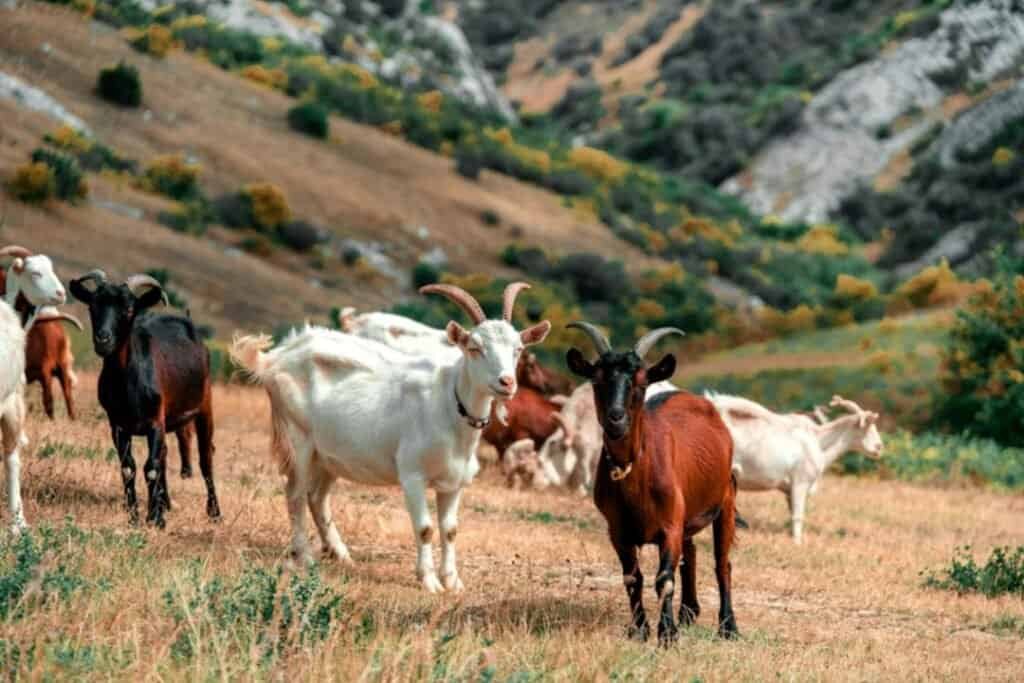
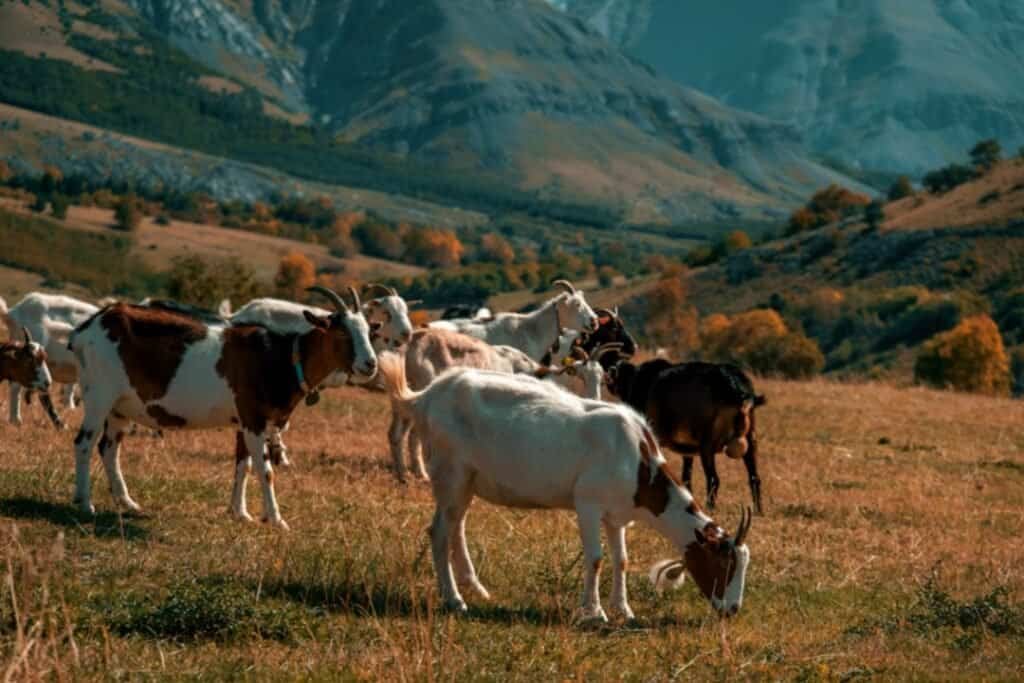
Cashmere wool comes from the ultra-fine undercoat of cashmere goats raised in cold, high-altitude regions such as Mongolia, Nepal, northern China, and parts of Iran. These environments experience extreme seasonal temperatures, which cause the goats to develop a soft insulating layer beneath their coarser outer hair.
Each spring, herders collect this undercoat through careful combing or shearing as the goats naturally shed their winter fleece. The process is slow and labor-intensive, but it protects the animals while preserving the quality of the fiber.
A single cashmere goat produces only 150 to 200 grams of usable fiber each year, so manufacturers rely on fibers from multiple animals to create one garment. This limited yield plays a major role in why cashmere remains rare and costly.
Cashmere fibers typically measure 14–19 microns in diameter, making them significantly finer than traditional sheep’s wool. This fineness gives cashmere its smooth texture, light weight, and low irritation profile. See this guide on microns in wool for more information.
Why Cashmere Production Is Limited
Natural factors keep cashmere production low. Cashmere goats grow only a small amount of usable down, and processors must remove coarse guard hairs by hand to isolate true cashmere fiber.
Herders and workers carry out harvesting and sorting in remote regions, often without industrial automation. This hands-on process limits volume and ties high-quality cashmere directly to skilled labor and natural scarcity.
Natural Properties of Cashmere Wool
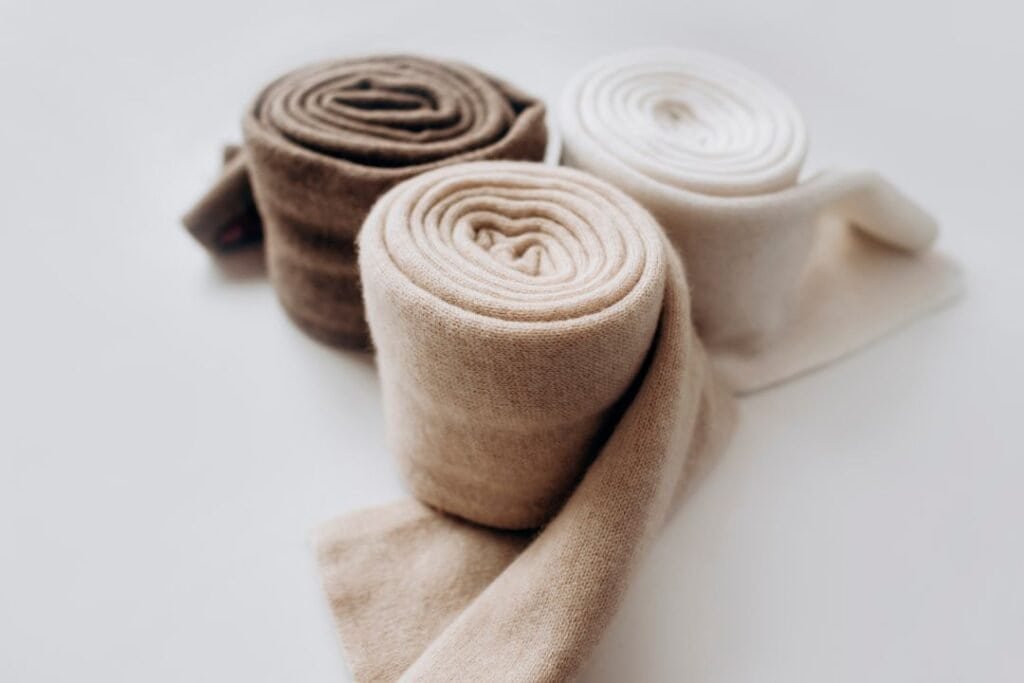
- Softness: Pure cashmere is smooth against the skin and rarely causes itching.
- Warmth: Cashmere traps air efficiently, making it up to eight times warmer than regular wool by weight.
- Lightweight insulation: Despite its warmth, cashmere remains light and non-bulky.
- Breathability: The fiber regulates temperature well across varying conditions.
- Durability: With proper care, cashmere garments can last for many years.
- Biodegradability: Cashmere is a natural fiber that decomposes at the end of its lifecycle.
How Cashmere Wool Is Made
- Harvesting: Goats are gently combed or shorn in spring to collect the undercoat.
- Cleaning: Fibers are washed to remove dirt, oils, and debris.
- Sorting: Fine cashmere down is separated from coarse guard hairs.
- Spinning and dyeing: The fibers are spun into yarn and dyed, often using low-impact methods.
- Knitting or weaving: The yarn is formed into garments and accessories.
Each stage requires precision and experience, contributing to the overall cost and quality of the final product.
Sustainability and Ethical Cashmere Wool
Rising demand for cashmere has placed pressure on grazing lands in some producing regions. Overgrazing can lead to soil degradation and desertification, particularly in fragile ecosystems.
Ethical cashmere producers address these concerns by limiting herd sizes, rotating grazing areas, and investing in land restoration. These practices protect ecosystems while supporting long-term livelihoods for herding communities.
Certifications such as The Good Cashmere Standard, Textile Exchange, or Fair Trade Certified help identify responsibly sourced products.
Environmental Benefits of Responsible Cashmere
- Healthier grasslands and reduced erosion
- Humane treatment of animals
- Fair labor practices
- Lower chemical and water usage
- Reduced textile waste through longer garment lifespans
- Use of recycled cashmere fibers
How to Identify High-Quality Cashmere Wool
- Fiber content listed as 100% cashmere or verified recycled cashmere
- Transparent sourcing and manufacturing information
- Tightly spun yarns and even stitching
- Brands that prioritize durability over trend-driven production
Purchasing fewer, higher-quality pieces reduces environmental impact while ensuring better performance and longevity.
Cashmere Wool vs Other Natural Fibers
| Fiber | Softness | Warmth | Breathability | Sustainability |
|---|---|---|---|---|
| Cashmere wool | Extremely soft | Excellent | Good | High when ethically sourced |
| Merino wool | Soft | Excellent | Excellent | High |
| Alpaca | Very soft | Very good | Good | High |
| Sheep’s wool | Moderate | Good | Good | Moderate |
Cashmere vs Merino Wool
Merino wool excels in moisture management and temperature regulation during active wear. Cashmere is softer and lighter, making it well suited to insulation-focused garments. Due to its finer fibers, cashmere often provides greater warmth per unit of weight.
Cashmere vs Alpaca Wool
Alpaca fibers are naturally hypoallergenic and resistant to moisture. Cashmere is finer and silkier, offering superior softness and compressibility. Both fibers perform well when sourced responsibly.
How to Care for Cashmere Wool
Washing: Hand-wash in cool water using a mild detergent. Gently press out excess water and lay flat to dry.
Heat exposure: Avoid hot water and tumble drying, which can cause shrinkage.
Moisture: Cashmere tolerates light moisture but should be reshaped and dried flat.
Machine washing: Use only a cold, delicate cycle if necessary. hand washing is prefered. Always check labels.
Storage: Fold garments and store in breathable containers with natural moth deterrents such as cedar or lavender.
Pilling: Remove pills gently with a cashmere comb.
FAQs:
Is cashmere wool?
Yes. Cashmere wool comes from the soft undercoat of cashmere goats.
What is cashmere made of?
Cashmere comes from the ultra-fine down that cashmere goats grow in cold, high-altitude regions such as Mongolia, Nepal, and northern China. Herders gather this fiber during the natural shedding season, then clean and spin it into yarn.
Is cashmere a natural fiber?
Absolutely cashmere is 100% natural, coming straight from animals. It’s biodegradable and eco-friendly when sourced responsibly.
Why cashmere is expensive?
Each goat produces only 150–200 grams of usable fiber per year, requiring multiple animals for one garment. Add in hand-harvesting in remote areas and skilled processing, and the limited supply drives the price up.
Is cashmere warm?
Yes, cashmere is exceptionally warm. Its crimped fibers trap air efficiently, often providing up to eight times more insulation than regular wool by weight, all while staying lightweight.
Is cashmere itchy?
No, high-quality pure cashmere wool is incredibly soft and smooth. It rarely causes itching, even for sensitive skin—unlike coarser wools.
Cashmere or wool?
It depends on your needs: cashmere offers superior softness, lightness, and luxury, while regular wool is more affordable and rugged for heavy-duty use.
Is cashmere warmer than wool?
Often yes, cashmere’s finer fibers (14–19 microns) trap more heat per ounce compared to standard sheep’s wool, making it warmer without the bulk.
Cashmere vs merino?
Merino excels at moisture-wicking and temperature regulation during active adventures. Cashmere wins on pure softness and lightweight warmth. It is perfect for layering on rest days or variable climates.
Cashmere vs alpaca?
Alpaca is naturally hypoallergenic, more durable, and water-resistant. Cashmere feels silkier and packs down smaller, ideal for minimalist backpackers