

The question of cotton or polyester comes up more often than ever as clothing has become cheaper, lighter, and more synthetic. At first glance, both fabrics may appear practical and widely available. In reality, they behave very differently on the body and in the environment. Understanding those differences matters, especially for travelers, backpackers, and anyone seeking comfort, breathability, and long-term well-being.
Cotton is a natural plant fiber that has been worn for thousands of years. Polyester is a modern synthetic material made from petroleum. While polyester is often marketed as durable and low maintenance, its hidden costs to skin health and the planet are increasingly difficult to ignore. Cotton, along with other natural fibers like merino wool, continues to offer a more balanced and healthier alternative.
This blog is supported by the community. We may earn a small commission if you purchase through our links. As an Amazon Associate, we earn from qualifying purchases. See our Privacy Policy.
What Is Cotton?
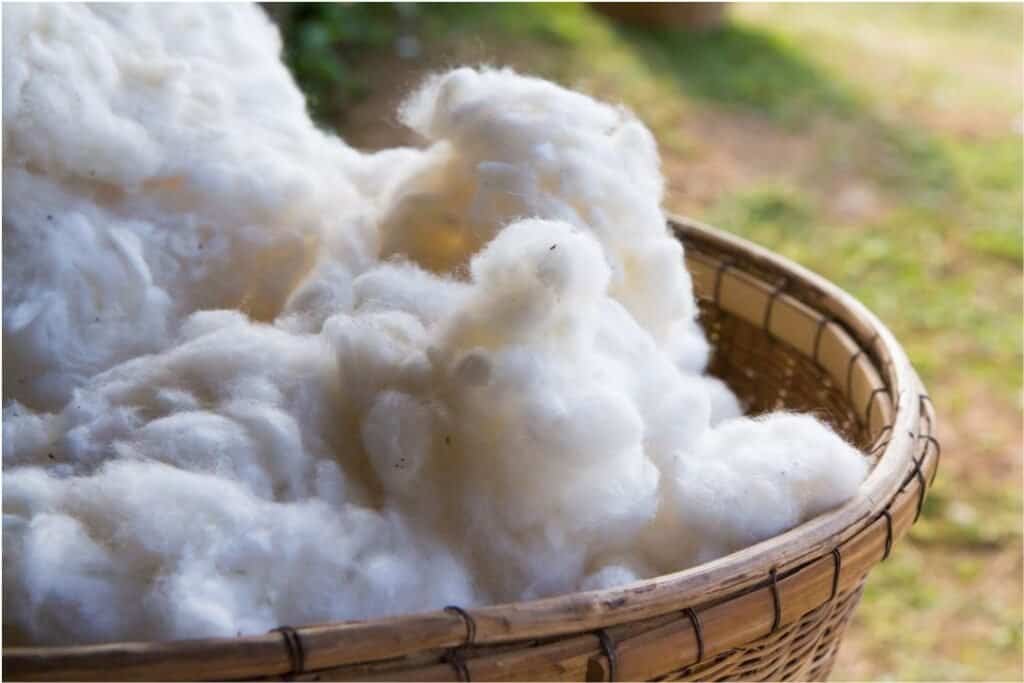
Cotton fabric is derived from the soft, fluffy fibers that surround the seeds of the cotton plant. These natural fibers give cotton its soft texture, breathability, and absorbency. Cotton has been cultivated for thousands of years across Asia, Africa, and the Americas. Specialized varieties like Egyptian and Pima cotton are prized for their long fibers, strength, and luxurious feel.
Cotton is hypoallergenic and gentle on the skin, making it ideal for clothing, bedding, towels, and home textiles. Its natural breathability keeps your body cool in warm climates while providing light insulation in cooler conditions.
The Production of Cotton Fabric
Cotton production begins with harvesting, then cleaning to remove seeds and debris. Fibers are carded and spun into yarn, which is then woven or knitted into textiles. Dyeing can use low-impact or natural dyes for eco-conscious production. Cotton’s simple chemistry allows it to maintain softness and breathability without heavy chemical processing, unlike polyester.
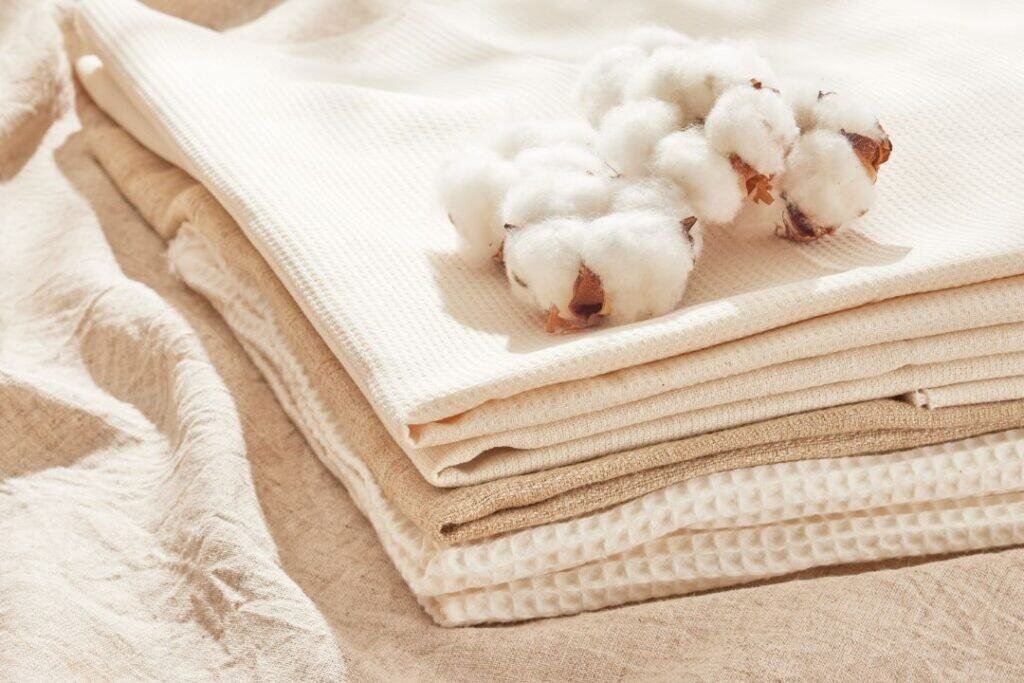
Different weaves create varying textures. Percale and sateen produce smooth bed linens, while terry cloth provides absorbency for towels. Cotton clothing can be lightweight, durable, or soft depending on the weave and finish.
Cotton’s Texture and Comfort
Cotton is soft, gentle, and breathable. In bedding, it regulates temperature and wicks moisture. Towels feel plush, and clothing is comfortable for all-day wear. Unlike polyester, cotton grows softer over time, creating a lived-in, familiar feel that enhances comfort.
What Is Polyester?
Polyester is a synthetic fiber made from petroleum-based polymers through a chemical process. It emerged in the mid-20th century as a durable, wrinkle-resistant alternative to natural fibers. While convenient and long-lasting, polyester cannot match cotton’s softness, breathability, or comfort.
The Production of Polyester Fabric
Polyester begins as purified petroleum derivatives that are polymerized into long chains, then spun into fibers. Unlike cotton, it requires heavy chemical processing and synthetic dyes. Blends with cotton or other fibers are common to enhance durability, stretch, or ease of care.
While polyester resists shrinkage, stretching, and wrinkling, its synthetic structure limits airflow. It tends to trap heat and moisture, which can lead to discomfort in clothing and a less fresh feel in bedding or towels. During washing, polyester sheds microfibers that pass into waterways, contributing to environmental harm.
Polyester’s Texture and Comfort
Polyester often feels smooth or slightly slick against the skin. Because it does not breathe naturally, it can create a sticky or static sensation, particularly in warm or humid conditions. While polyester can be useful in performance or outerwear applications due to its durability and quick-drying nature, it does not offer the same comfort as cotton. We prefer to use merino wool as our high performance and outerwear clothing.
In home textiles, polyester may provide a crisp appearance and wrinkle resistance, but it lacks the tactile warmth and moisture-handling ability that make cotton inviting. Bedding and towels made with polyester often feel less breathable and less comforting over time.
Comfort and Feel: Cotton or Polyester
- Cotton: Soft, breathable, absorbent, regulates body temperature, grows softer over time. Ideal for socks, beanies, blankets, and casual clothing.
- Polyester: Smooth and durable, traps heat and moisture, can feel artificial on the skin.
- Blends: Combine comfort with durability but often reduce breathability and softness.
Cotton or Polyester at a Glance
| Aspect | Cotton | Polyester |
|---|---|---|
| Origin | Natural plant fiber | Synthetic plastic fiber |
| Breathability | High | Low |
| Moisture behavior | Absorbs and releases | Traps heat and sweat |
| Environmental impact | Biodegradable | Sheds microplastics |
| Skin comfort | Soft and breathable | Can cause irritation |
How to Care for Cotton and Polyester Fabrics
- Cotton: Wash cold or lukewarm, gentle detergent, air dry or tumble dry low, store in breathable fabric bags.
- Polyester: Wash cold, tumble dry briefly, avoid high heat to prevent static or melting.
- Blends: Follow care labels carefully to balance softness and durability.
Environmental and Health Considerations
Cotton and natural fibers are renewable, biodegradable, and gentle on the skin. They return to the earth without microplastic pollution. Polyester, derived from petroleum, sheds microfibers into waterways, impacting ecosystems. Choosing cotton supports cleaner homes, healthier skin, and a more sustainable planet. Choose organic fair trade cotton for more sustainable choices.
Cotton vs Polyester in Everyday Clothing
Underwear and Base Layers
- Cotton: breathable, reduces moisture buildup
- Polyester: traps heat and sweat, can irritate
Sleepwear and Bedding
- Cotton sheets and cotton throw blankets regulate temperature better than polyester
- Ideal for restful, comfortable nights
When choosing cotton or polyester, the difference goes beyond convenience. Cotton supports comfort, breathability, and environmental balance, while polyester favors durability at the cost of skin health and ecological impact. Studies show that wearing polyester releases microplastics which can be harmful to your heath. Natural fibers like cotton and wool remain the superior choice for conscious clothing, bedding, and everyday textiles.
FAQs: Cotton or Polyester
Is cotton better than polyester?
Yes. Cotton is breathable, biodegradable, and gentler on skin, while polyester traps heat and sheds microplastics.
Can cotton shrink?
Cotton can shrink with heat, especially in the dryer. Cold washes and low-heat drying reduce this.
Will cotton shrink in the wash?
Cotton may shrink slightly in hot water. Use cold or warm cycles for best results.
Is cotton breathable?
Yes. Cotton allows airflow and regulates temperature naturally.