

Hot yoga mats play an important role in staying steady and comfortable during heated practice, especially when sweat and humidity are constant. Grip, absorbency, and how a mat responds to moisture all affect how supported you feel from the first pose to the last. This guide focuses specifically on natural material mats, building on our broader approach to conscious yoga equipment choices for everyday practice. For both travelers and regular practitioners, the right mat also needs to hold up to repeated use, clean easily, and feel reliable in warm conditions.
Material choice matters even more in hot yoga because heat and sweat quickly reveal how a surface performs. Natural options like cork, rubber, jute, and cotton interact with moisture in different ways, and each offers distinct benefits depending on how much you sweat and how dynamic your practice is. Cork, for example, becomes more grippy as it gets damp and maintains a clean, grounded feel, which we explore further in our guide to cork yoga mats for hot practice. Rubber, jute, and cotton each bring their own balance of traction, structure, breathability, and portability.
The mats featured here are made with natural materials that support a more breathable, plastic-free practice, which is especially important when heat and moisture are involved. Natural fibers and surfaces tend to manage sweat more effectively and avoid the slick feeling that some synthetic mats develop over time. Some practitioners also pair their mats with towels depending on room temperature and sweat levels, which is covered in more detail in our overview of yoga mat towels for added grip. Together, these choices help create a setup that feels stable, hygienic, and easier to maintain.
This blog is supported by the community. We may earn a small commission if you purchase through our links. As an Amazon Associate, we earn from qualifying purchases. See our Privacy Policy.
The Best Hot Yoga Mats at a Glance
- Best Overall Cork Mat: Luxury Cork Yoga Mat
- Best Natural Rubber Grip: JadeYoga Harmony Yoga Mat
- Best Travel-Friendly Mat: JadeYoga Travel Yoga mat
- Best Cotton Yoga Rug: Hugger Mugger Cotton Yoga Rug
- Best Jute Mat: Hugger Mugger Sattva Jute Mat
- Best Structured Cork Option: Y O Gayo Premium Yoga Cork Mat
- Best Cushioned Rubber Mat: Manduka eKO Yoga Mat
Best Hot Yoga Mats
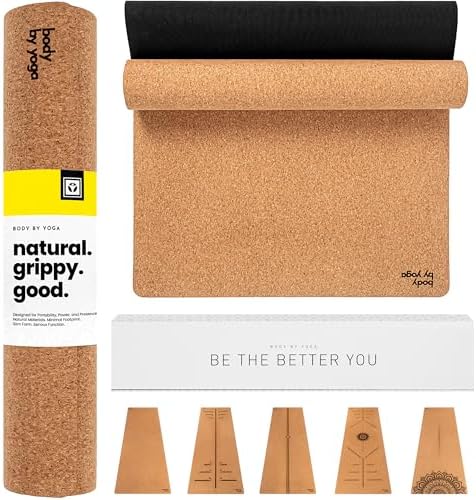
This cork yoga mat was designed by yoga instructors who wanted a surface that stays steady through heavy sweat without constant maintenance. The premium Portuguese cork surface delivers dependable grip that improves as moisture builds, which makes it especially well suited for hot yoga and heated studio sessions. Unlike thin cork layers found on many mats, this design uses substantially more cork, creating a surface that feels supportive, stable, and comfortable to move on. The natural rubber base keeps the mat flat from edge to edge, eliminating the frustration of curled corners during practice.
The larger dimensions offer extra room to move, which is helpful in crowded studios or for taller practitioners who want full-body coverage. The balance of cushioning and firmness protects knees and joints without compromising stability in standing poses. Cleaning is minimal since the cork resists sweat absorption and wipes clean with water. For practitioners who want a natural, non-toxic mat that performs consistently in sweaty conditions, this mat supports focused, uninterrupted practice.
Key Specs:
Material: Premium Portuguese cork with natural rubber base
Best Use: Hot yoga and heated studio practice
Notable Feature: Cork grip improves as it gets wetter

The JadeYoga Harmony mat is built around strong traction and a balanced feel underfoot. Made from natural open-cell rubber, it provides a secure surface that helps maintain stability during flowing sequences and longer holds. The thickness offers enough cushioning to stay comfortable while still allowing clear feedback from the floor. Many practitioners appreciate how predictable the grip feels throughout an entire session.
Because the rubber is open-cell, it absorbs moisture more than cork, which means regular cleaning is important for hot yoga use. The mat is made without PVC, phthalates, or heavy metals, aligning well with a natural materials approach. Its durability supports consistent studio use, and the weight gives it a planted feel once unrolled. This mat suits practitioners who prioritize grip and a traditional rubber feel during heated classes.
Key Specs:
Material: Natural rubber
Best Use: Hot yoga and daily studio practice
Notable Feature: Open-cell rubber for strong traction

This travel-focused mat is designed for practitioners who move frequently but still want dependable grip. Made from natural rubber, it delivers strong traction despite its thinner profile. The lightweight construction makes it easy to pack into a backpack or carry-on, which works well for hotel rooms, short-term rentals, or temporary studios. It unrolls easily and stays in place during practice.
The reduced thickness offers less cushioning than a full studio mat, but it maintains stability during standing poses and transitions. For hot yoga, the rubber surface supports steady footing, though it benefits from regular cleaning. This mat suits digital nomads or travelers who want a functional yoga setup without adding bulk or weight. It balances portability with performance for consistent practice on the road.
Key Specs:
Material: Natural rubber
Best Use: Travel and portable hot yoga practice
Notable Feature: Lightweight and packable design

This cotton yoga rug is designed for high-sweat practices where absorbency is essential. The tightly woven cotton surface helps manage moisture from hands and feet, reducing slipping during hot yoga sessions. It can be used on its own or layered over another mat, depending on floor conditions and personal preference. The rug resists bunching and stays flat during movement.
The cotton construction feels familiar and breathable, making it comfortable during long sessions. Folding options add versatility for restorative poses or meditation support. Because cotton absorbs moisture, proper drying after use helps maintain freshness. This rug suits practitioners who sweat heavily and prefer a traditional, textile-based practice surface.
Key Specs:
Material: Cotton
Best Use: Hot yoga and layered practice
Notable Feature: High absorbency for sweaty conditions

This jute mat offers a firm, textured surface that performs well in hot yoga environments. The natural jute fibers absorb moisture and provide grip as sweat builds, helping maintain stability during practice. Its lightweight construction makes it easy to carry, especially for practitioners commuting to class. The mat stays grounded without excessive thickness.
The thinner profile allows close contact with the floor, which appeals to yogis who prefer a more grounded feel. Jute is a fast-growing natural fiber, aligning with a sustainable materials approach. This mat works best for those comfortable with minimal cushioning. It suits hot yoga practitioners who want breathability, texture, and a natural surface.
Key Specs:
Material: Jute with non-slip backing
Best Use: Hot yoga and minimalist practice
Notable Feature: Moisture-absorbing jute fibers
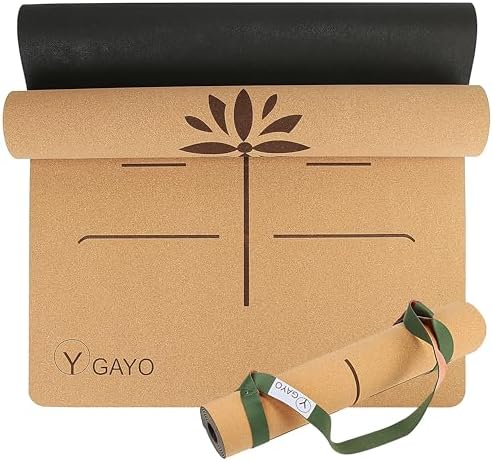
This cork mat focuses on structure and stability, offering a dense surface that stays firmly in place throughout practice. The cork top provides reliable traction during sweaty sessions, allowing confident transitions between poses. Alignment lines are built into the surface, offering visual guidance that supports consistent positioning and controlled movement. The mat rolls out flat and maintains its shape without shifting.
The heavier construction contributes to a grounded feel, which many practitioners prefer during hot yoga flows. Cork’s natural resistance to odor and moisture buildup keeps maintenance straightforward, requiring only light wiping after use. The mat adapts well across different yoga styles, from slower holds to more dynamic sequences. For those who value structure and visual alignment support, this mat offers a steady, intentional foundation.
Key Specs:
Material: Cork with natural rubber base
Best Use: Hot yoga and alignment-focused practice
Notable Feature: Built-in alignment lines

The Manduka eKO mat offers a supportive balance between cushioning and control. Made from natural tree rubber, its textured surface provides consistent grip across different styles of hot yoga. The closed-cell design helps limit moisture absorption, keeping the surface feeling cleaner during extended sessions. This structure supports durability and long-term use.
The added thickness cushions joints during kneeling and floor work while remaining stable in standing poses. Its weight helps anchor the mat in place once set up, which many practitioners find reassuring in heated rooms. Care requires attention, as soaking or excessive moisture can damage natural rubber. This mat works well for those who want comfort without sacrificing grip or stability.
Key Specs:
Material: Natural tree rubber
Best Use: Hot yoga and mixed-intensity flows
Notable Feature: Textured, closed-cell surface
How to Choose the Right Hot Yoga Mat
Hot yoga demands a mat that handles intense sweat, provides reliable traction, and supports hygiene in heated environments. Focus on materials that enhance grip when wet, resist odors, and balance comfort with practicality.
Cork Yoga Mats
Cork is one of the most reliable materials for hot yoga because its grip improves as it gets wet. This makes it well suited for heated rooms where sweat builds quickly. Cork also resists odor and bacteria, which supports hygiene during frequent practice. Many practitioners appreciate its firm, grounded feel.
Cork mats tend to be heavier than synthetic options, so they work best for studio-based practice or short commutes. They clean easily with water and do not require chemical sprays. Over time, the surface maintains its traction without breaking down. For those focused on natural materials, cork is often a top choice.
Explore our in-depth guide to the best cork yoga mats for specific recommendations, including sweat-activated options perfect for hot sessions.
Natural Rubber Yoga Mats
Natural rubber provides strong grip and flexibility, making it popular for dynamic flows. In hot yoga, rubber offers dependable traction, though it can absorb moisture. This means regular cleaning is important to maintain performance and hygiene. Rubber mats vary widely in thickness and texture.
Closed-cell rubber resists moisture buildup better than open-cell designs, which can be helpful in heated classes. Rubber mats also come in travel-friendly versions for yogis on the move. They suit practitioners who want a balance between grip and cushioning. Latex sensitivity should be considered when choosing rubber.
For more details on top picks, check our review of the best natural rubber yoga mats, which highlights durable, eco-friendly options ideal for hot practices.
Jute and Cotton Options
Mats made from Jute and cotton mats appeal to those who prefer traditional fibers and breathable surfaces. Jute offers texture and stability, while cotton excels at absorbing sweat. These materials feel different from rubber or cork and take some adjustment. They are often chosen for their natural feel and sustainability.
Cotton rugs work especially well when layered over another mat. Jute mats tend to be firmer and lighter, making them easier to carry. Both materials require proper drying after use to prevent odor. For hot yoga, they are practical options when grip and absorbency matter most.
If you’re drawn to fully natural, plastic-free alternatives, see our guide to the best cotton yoga mats for handwoven, absorbent rugs that get grippier with moisture which are great for layering in heated classes.
Thickness and Portability
Thickness affects comfort and stability, especially during long holds. Thicker mats cushion joints but may reduce balance feedback. Thinner mats feel more grounded and are easier to travel with. The right balance depends on practice style and body needs.
For digital nomads, portability often matters as much as performance. Lightweight mats or foldable rugs fit better into backpacks. Studio-only practitioners may prefer heavier mats with more structure. Matching thickness to lifestyle makes consistent practice easier.
If travel is part of your routine, browse our picks for the best travel yoga mats for many lightweight natural options (including rubber and cork hybrids) suit hot yoga on the go. For carrying solutions, pair your mat with a dedicated yoga mat bag or yoga mat carrier straps to keep things organized and protected.
Choosing the right hot yoga mat comes down to your practice style, material preferences, and lifestyle. Natural options like cork, rubber, jute, and cotton not only perform well in heat but also align with eco-conscious and barefoot-inspired living.
FAQs
Are cork mats good for heavy sweating?
Yes, cork becomes more grippy with moisture and works very well in hot yoga environments.
Do cotton yoga rugs replace a mat?
They can be used alone or layered over a mat, depending on preference and floor surface.
Is natural rubber suitable for hot yoga?
Natural rubber offers strong grip, though it requires regular cleaning in sweaty conditions.
What mat is best for hot yoga?
Mats made from cork, natural rubber, jute, or cotton work best for hot yoga because they maintain grip as sweat builds. Cork becomes grippier with moisture, while rubber offers steady traction for flowing movement. The best option depends on how much you sweat and how much cushioning you prefer.
Is there a difference between a yoga mat and a hot yoga mat?
Hot yoga mats are designed to handle sweat and humidity without becoming slippery. Standard yoga mats often perform well in dry conditions but can lose grip when wet. Materials and surface texture make the main difference.
What thickness of yoga mat is best for hot yoga?
A thickness between 4mm and 6mm offers a good balance of comfort and stability for heated practice. This range supports joints without feeling unstable in standing poses.
Can I use a regular yoga mat for hot yoga?
A regular yoga mat can work, but it may become slippery once you start sweating. Many practitioners use a towel or switch to a mat designed for sweaty conditions for better grip.