

How synthetic fabrics affect the body is an increasingly important question in a world where modern clothing is largely made from petroleum based materials. These fabrics are engineered for durability, stretch, and low cost, yet few people stop to consider what constant skin contact with synthetics means over years of daily wear. Clothing is not neutral. It interacts with the skin, body temperature, moisture levels, and surrounding environment every day.
This article explores how synthetic fabrics affect the body over time, with a focus on comfort, skin health, temperature regulation, and long term exposure. Rather than relying on short term performance claims, the aim is to understand how clothing materials influence the body when worn repeatedly for travel, work, exercise, and everyday life.
This blog is supported by the community. We may earn a small commission if you purchase through our links. As an Amazon Associate, we earn from qualifying purchases. See our Privacy Policy.
What Are Synthetic Fabrics?
Synthetic fabrics are materials created through chemical processes rather than grown or harvested from natural sources. Most are derived from petroleum and engineered to mimic or replace natural fibers at a lower cost.
Common synthetic fabrics include polyester, nylon, acrylic, elastane, and spandex. These materials are widely used in modern clothing because they are lightweight, wrinkle resistant, quick drying, and inexpensive to produce. They are especially common in athletic wear, travel clothing, underwear, and outer layers.
To better understand how these materials compare with plant and animal fibers, see Cotton or Polyester: Why Choose Natural Fibers and Understanding Natural Fibers: A Practical Guide to Clothing Materials.
How Synthetic Fabrics Interact With the Human Body
Unlike natural fibers, synthetic fabrics are not breathable at a cellular level. Their structure limits airflow and alters how heat and moisture move across the skin.
Skin Contact and Breathability
Synthetic fibers tend to trap heat and moisture close to the skin. While some fabrics are marketed as breathable, most rely on surface ventilation rather than true fiber level airflow. Over time, this can create a warm, damp microclimate between skin and clothing.
This matters during movement, travel, and sleep, when body temperature fluctuates and skin needs to release heat efficiently.
Sweat, Bacteria, and Odor Retention
Synthetic fabrics do not absorb moisture in the same way natural fibers do. Sweat remains on the surface, encouraging bacterial growth. Over time, bacteria bind to synthetic fibers, making odors difficult to remove even after washing.
Natural fibers such as wool manage moisture differently and resist odor buildup. For more detail, see Wool Explained: Benefits, Uses, and Why It Works Better Than Synthetic Fabrics.
Long Term Skin and Comfort Effects
The effects of synthetic clothing often become more noticeable with repeated wear over months and years.
Irritation, Rashes, and Sensitivity
Friction, trapped moisture, and chemical residues from manufacturing can contribute to skin irritation. People with sensitive skin may notice redness, itching, or rashes, especially in high friction areas such as underarms, waistbands, and feet.
Temperature Dysregulation
Synthetic fabrics struggle to regulate body temperature. They often cause overheating during activity and rapid cooling when damp. This cycle can lead to discomfort, disrupted sleep, and the need for frequent clothing changes.
Natural materials such as merino wool adjust to body temperature more effectively. Examples can be found in the Ultimate Merino Wool Base Layer Guide.
Microplastics and Dermal Exposure
One of the most overlooked aspects of synthetic clothing is microplastic shedding. Every time synthetic fabrics are worn, washed, or rubbed together, tiny plastic fibers are released.
These microplastics enter the environment through water systems and also remain in close contact with the skin. While research is ongoing, constant dermal exposure adds another layer of concern when synthetic clothing is worn daily.
Clothing Materials and Vibrational Interaction
Beyond physical comfort, clothing materials are sometimes discussed in terms of how they interact with the body’s natural electrical and energetic processes. All materials have measurable properties such as conductivity, insulation, and electromagnetic behavior. These properties influence how heat, static, and electrical charge move around the body.
Synthetic fabrics are highly insulating and tend to trap electrical charge. This can increase static buildup and create a sense of restlessness or discomfort, especially in dry environments or during prolonged wear.
Natural fibers behave differently. Materials such as wool, cotton, linen, and silk allow electrical charge to dissipate more easily. This is one reason natural fabrics often feel calmer, more balanced, and more comfortable during long wear, particularly when combined with grounding practices.
Why Synthetic Fabrics Are Especially Problematic for Travel and Active Use
Travel often involves long days, repeated wear, limited laundry access, and varying climates. Synthetic clothing tends to amplify discomfort under these conditions.
Odor retention, poor temperature regulation, and skin irritation become more noticeable when clothing is worn for extended periods. For travelers and backpackers, fabric choice plays a larger role in comfort than most gear upgrades.
For practical travel context, see Packing List For Backpacking.
Natural Fibers and Their Relationship With the Body
Natural fibers interact with the body in fundamentally different ways. They allow air circulation, absorb and release moisture, and regulate temperature more effectively.
Wool, Cotton, Linen, Alpaca, and Silk
Each natural fiber offers distinct benefits. Wool excels at temperature regulation and odor resistance. Cotton provides softness and breathability. Linen allows rapid heat release. Alpaca offers warmth without weight. Silk supports smooth temperature transitions.
Learn more about fiber differences in Merino Wool vs Wool and Alpaca vs Llama.
Are All Synthetic Fabrics Harmful?
Context matters. Short term use or outer layers may pose fewer concerns than constant skin contact. Problems arise when synthetic fabrics are worn daily, directly against the skin, for long hours.
Choosing Clothing That Supports Long Term Comfort and Health
Reading fabric labels, avoiding heavy blends, and prioritizing natural fibers for base layers can significantly improve comfort. Travel wardrobes benefit from fewer pieces made with higher quality materials.
For practical examples, see 100% Merino Wool T Shirt Guide and Best 100% Wool Socks.
Final Thoughts
Clothing is an environmental input that affects the body every day. Over time, fabric choice influences comfort, skin health, and how the body regulates itself. Synthetic fabrics offer convenience, but long term wear often comes with tradeoffs.
Choosing natural fibers where possible supports a more balanced relationship between clothing and the body, especially for those who travel, move frequently, or spend long hours in the same garments.
How Synthetic Fabrics Affect the Body Over Time
How synthetic fabrics affect the body is a question worth asking in a world where clothing is worn for long hours, often during movement, heat, and sleep. Modern apparel is dominated by petroleum based materials designed for durability and low cost, yet few people consider what constant skin contact with these fabrics means over years of daily wear. Clothing is not neutral. It interacts with the skin, body temperature, moisture, and environment every day.
This article explores how synthetic fabrics interact with the body over time, with a focus on comfort, skin health, temperature regulation, and long term exposure. Rather than short term performance claims, the goal is to understand how clothing materials affect the body when worn repeatedly for travel, work, exercise, and everyday life.
What Are Synthetic Fabrics?
Synthetic fabrics are materials created through chemical processes rather than grown or harvested from natural sources. Most are derived from petroleum and engineered to mimic or replace natural fibers at a lower cost.
Common synthetic fabrics include polyester, nylon, acrylic, elastane, and spandex. These materials are widely used in modern clothing because they are lightweight, wrinkle resistant, quick drying, and inexpensive to produce. They are especially common in athletic wear, travel clothing, underwear, and outer layers.
To better understand how these materials compare with plant and animal fibers, see Cotton or Polyester: Why Choose Natural Fibers and Understanding Natural Fibers: A Practical Guide to Clothing Materials.
How Synthetic Fabrics Interact With the Human Body
Unlike natural fibers, synthetic fabrics are not breathable at a cellular level. Their structure limits airflow and alters how heat and moisture move across the skin.
Skin Contact and Breathability
Synthetic fibers tend to trap heat and moisture close to the skin. While some fabrics are marketed as breathable, most rely on surface ventilation rather than true fiber level airflow. Over time, this can create a warm, damp microclimate between skin and clothing.
This matters during movement, travel, and sleep, when body temperature fluctuates and skin needs to release heat efficiently.
Sweat, Bacteria, and Odor Retention
Synthetic fabrics do not absorb moisture in the same way natural fibers do. Sweat remains on the surface, encouraging bacterial growth. Over time, bacteria bind to synthetic fibers, making odors difficult to remove even after washing.
Natural fibers such as wool manage moisture differently and resist odor buildup. For more detail, see Wool Explained: Benefits, Uses, and Why It Works Better Than Synthetic Fabrics.
Long Term Skin and Comfort Effects
The effects of synthetic clothing often become more noticeable with repeated wear over months and years.
Irritation, Rashes, and Sensitivity
Friction, trapped moisture, and chemical residues from manufacturing can contribute to skin irritation. People with sensitive skin may notice redness, itching, or rashes, especially in high friction areas such as underarms, waistbands, and feet.
Temperature Dysregulation
Synthetic fabrics struggle to regulate body temperature. They often cause overheating during activity and rapid cooling when damp. This cycle can lead to discomfort, disrupted sleep, and the need for frequent clothing changes.
Natural materials such as merino wool adjust to body temperature more effectively. Examples can be found in the Ultimate Merino Wool Base Layer Guide.
Microplastics and Dermal Exposure
One of the most overlooked aspects of synthetic clothing is microplastic shedding. Every time synthetic fabrics are worn, washed, or rubbed together, tiny plastic fibers are released.
These microplastics enter the environment through water systems and also remain in close contact with the skin. While research is ongoing, constant dermal exposure adds another layer of concern when synthetic clothing is worn daily.
Clothing Materials and Vibrational Interaction
Beyond physical comfort, clothing materials are sometimes discussed in terms of how they interact with the body’s natural electrical and energetic processes. All materials have measurable properties such as conductivity, insulation, and electromagnetic behavior. These properties influence how heat, static, and electrical charge move around the body.
Synthetic fabrics are highly insulating and tend to trap electrical charge. This can increase static buildup and create a sense of restlessness or discomfort, especially in dry environments or during prolonged wear.
Natural fibers behave differently. Materials such as wool, cotton, linen, and silk allow electrical charge to dissipate more easily. This is one reason natural fabrics often feel calmer, more balanced, and more comfortable during long wear, particularly when combined with grounding practices.
While the concept of clothing frequency is often discussed in holistic contexts, it can also be understood practically. Breathability, moisture movement, static behavior, and thermal regulation all contribute to how clothing feels on the body over time.
These microplastics enter the environment through water systems and also remain in close contact with the skin. While research is ongoing, constant dermal exposure adds another layer of concern when synthetic clothing is worn daily.
Synthetic Fabrics, Static, and Electromagnetic Sensitivity
Synthetic materials generate static electricity more easily than natural fibers. This static buildup can increase discomfort and contribute to a sense of restlessness, especially in dry climates or indoor environments.
Natural fibers tend to dissipate static and behave differently around electromagnetic fields. For related context, see Grounded Digital Nomad Setup and Connection Between Earthing and Inflammation.
Why Synthetic Fabrics Are Especially Problematic for Travel and Active Use
Travel often involves long days, repeated wear, limited laundry access, and varying climates. Synthetic clothing tends to amplify discomfort under these conditions.
Odor retention, poor temperature regulation, and skin irritation become more noticeable when clothing is worn for extended periods. For travelers and backpackers, fabric choice plays a larger role in comfort than most gear upgrades.
For practical travel context, see Packing List For Backpacking.
Natural Fibers and Their Relationship With the Body
Natural fibers interact with the body in fundamentally different ways. They allow air circulation, absorb and release moisture, and regulate temperature more effectively.
Wool, Cotton, Linen, Alpaca, and Silk
Each natural fiber offers distinct benefits. Wool excels at temperature regulation and odor resistance. Cotton provides softness and breathability. Linen allows rapid heat release. Alpaca offers warmth without weight. Silk supports smooth temperature transitions.
Learn more about fiber differences in Merino Wool vs Wool and Alpaca vs Llama.
Are All Synthetic Fabrics Harmful?
Context matters. Short term use or outer layers may pose fewer concerns than constant skin contact. Problems arise when synthetic fabrics are worn daily, directly against the skin, for long hours.
Understanding fabric placement helps reduce exposure without aiming for perfection.
Choosing Clothing That Supports Long Term Comfort and Health
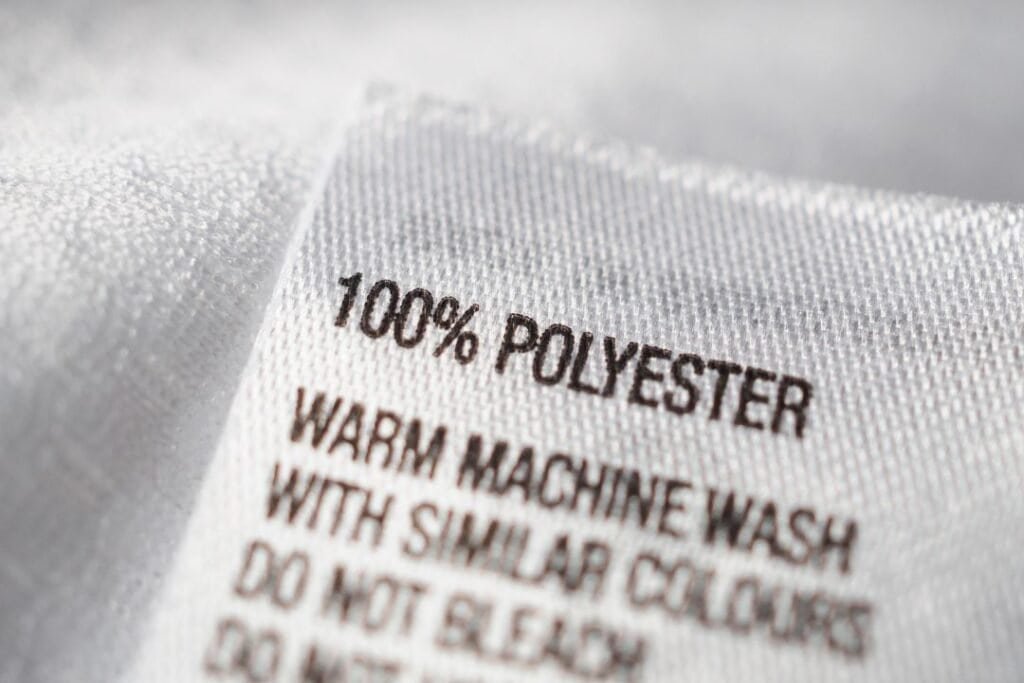
Reading fabric labels, avoiding heavy blends, and prioritizing natural fibers for base layers can significantly improve comfort. Travel wardrobes benefit from fewer pieces made with higher quality materials.
For practical examples, see 100% Merino Wool T Shirt Guide and Best 100% Wool Socks.
Final Thoughts
Choosing natural fibers where possible supports a more balanced relationship between clothing and the body. Materials such as wool, cotton, linen, and silk work with the body’s natural processes rather than against them. For travelers, runners, and anyone spending long hours in the same garments, fabric choice becomes less about trends and more about long term comfort, resilience, and well being.