

Linen is a natural fabric made from the fibers of the flax plant and has been valued in clothing for centuries. Known for its breathability, durability, and comfort in warm conditions, linen offers qualities that set it apart from many other fabrics. Understanding how linen feels to wear, how it responds to washing and drying, and how it compares to materials like cotton helps make the most of this versatile fabric.
This blog is supported by the community. We may earn a small commission if you purchase through our links. As an Amazon Associate, we earn from qualifying purchases. See our Privacy Policy.
1. Linen Is a Natural Fiber Made From Flax
Linen is a natural fabric made from the fibers of the flax plant. Unlike synthetic materials, linen is produced from a renewable plant source and processed mechanically rather than chemically. This is what places linen firmly in the category of natural fibers, alongside cotton, wool, hemp, and silk.
When people ask if linen is natural, the answer is yes. Pure linen fabric contains no petroleum-based fibers and does not rely on plastic polymers for strength or structure.
2. Linen Is Highly Breathable and Temperature Regulating
Linen is known for its breathability. The fibers allow air to move freely through the fabric, helping heat escape rather than trapping it against the skin. This makes linen especially comfortable in warm climates and during physical movement.
Because linen releases moisture quickly, it dries faster than many other fabrics and feels less clammy in hot or humid conditions.
3. Linen Feels Different at First but Softens Over Time
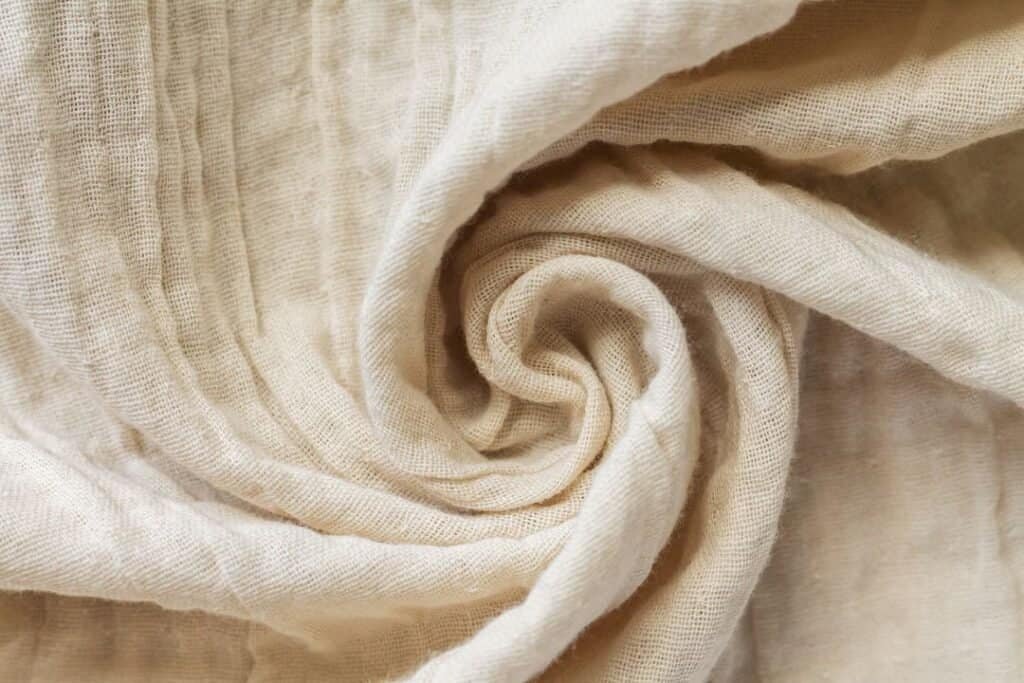
Many people wonder if linen is soft. New linen can feel crisp or textured, especially compared to cotton. This texture is not a flaw. It comes from the long, strong flax fibers that give linen its durability.
With repeated washing and wear, linen gradually softens while maintaining its structure. Well cared for linen often becomes more comfortable over time rather than wearing out.
4. Linen Has Natural Antimicrobial Properties
Linen naturally resists bacteria and odor. The structure of flax fibers helps limit microbial growth, which is why linen garments tend to stay fresher between washes.
This antimicrobial quality makes linen practical for travel, warm weather clothing, and situations where garments may be worn for long periods.
5. Linen Can Shrink If Washed Incorrectly
Can linen shrink? Yes, linen can shrink, especially when exposed to high heat or aggressive washing cycles. Most shrinkage happens during the first wash if the fabric has not been prewashed.
Cold or lukewarm water and gentle cycles help reduce shrinkage and preserve the fabric’s shape.
6. Linen in the Dryer Requires Caution
Will linen shrink in the dryer? High heat is the main cause of linen shrinkage. Linen can go in the dryer on a low heat setting, but air drying or line drying is the safest option.
Removing linen garments while slightly damp and allowing them to finish drying naturally helps minimize wrinkles and shrinkage.
7. Linen and Cotton Compared
Cotton and linen are often compared, but they are not the same fabric. Linen fibers are stronger and less elastic than cotton fibers, which is why linen wrinkles more easily but also lasts longer.
While cotton feels soft immediately, linen offers better airflow and durability over time.
8. Linen Clothing Can Be Casual or Business Casual
Are linen pants business casual? In many settings, yes. Well tailored linen pants and shirts can work in business casual environments, especially in warm climates. The key is fit, fabric quality, and pairing linen with structured pieces.
Linen’s relaxed texture makes it versatile enough for both everyday wear and more polished outfits.
FAQs
Is linen a natural fiber?
Yes. Linen is made from the flax plant and is considered a natural fabric.
Does linen shrink?
Linen can shrink if washed or dried at high temperatures, especially during the first wash.
Is linen breathable?
Linen is one of the most breathable fabrics available and performs well in warm weather.
Is linen better than cotton?
Linen and cotton serve different purposes. Linen is more breathable and durable, while cotton is softer initially.