

Merino wool vs wool may sound like a simple comparison, but in practice, these two fibers feel and perform very differently. Imagine pulling on a base layer that keeps you warm in freezing mornings, cool during sweaty afternoons, and fresh after days without a proper wash, all while weighing almost nothing in your pack. That’s the quiet revolution of merino wool in modern travel gear. While traditional wool is great in heavy sweaters and blankets, merino wool elevates the game with finer fibers that transform it into a high-performance natural material.
For minimalist backpackers chasing multi-climate adventures, this comparison isn’t just about comfort. It’s about packing lighter, staying drier, and traveling smarter. In this guide, we’ll break down the differences, explore why merino often outperforms regular wool for on-the-road life, and compare it to other favorites like cashmere wool and alpaca.
This blog is supported by the community. We may earn a small commission if you choose to purchase through our links, which allows us to keep creating content. As an Amazon Associate, we earn from qualifying purchases. Learn more.
What Is Merino Wool?
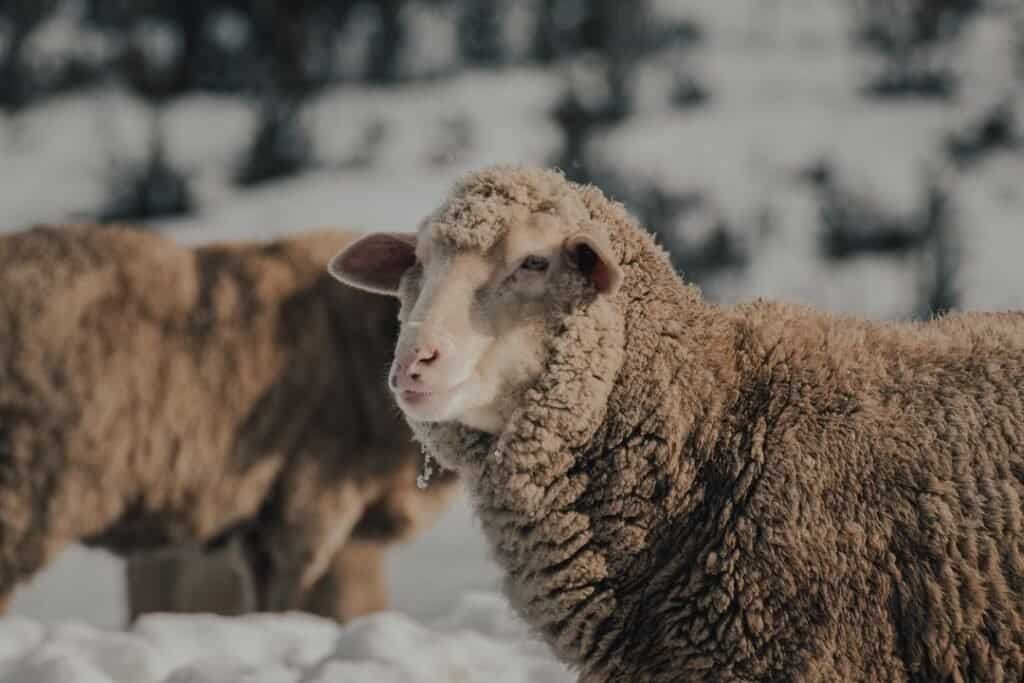
Merino wool comes from Merino sheep, a breed prized for producing some of the finest and softest wool in the world. These sheep thrive in extreme environments with hot summers and cold winters, which drives them to grow ultra-fine fibers for superior insulation and breathability.
Today, the finest merino wool originates mainly from Australia (the largest producer), New Zealand, and South Africa. Farmers raise Merino sheep on vast, open ranges where they roam freely. Each year, skilled shearers carefully remove the fleece in a quick, humane process that allows the sheep to regrow their coat.
Unlike coarser wool from other sheep breeds, merino fibers typically measure 18 to 24 microns in diameter. This fineness creates the buttery softness and performance edge that sets merino apart in travel clothing.
Why Merino Wool Stands Out for Travel
The unique crimp and structure of merino fibers trap air for warmth while wicking moisture away from the skin. As a result, brands craft everything from base layers and socks to mid-layers and accessories from merino, making it a staple for backpackers who need versatility in their pack.
Natural Properties of Merino Wool
Merino wool delivers a rare combination of benefits that make it exceptionally suited to dynamic travel conditions.
- Exceptional Softness — High-quality merino feels smooth and luxurious against the skin.
- Temperature Regulation — It insulates in cold while staying breathable in heat.
- Moisture Management — Merino wicks sweat efficiently and dries quickly.
- Natural Odor Resistance — Antibacterial properties let you wear it longer between washes.
- UV Protection — Fine fibers offer built-in sun resistance.
- Durability and Elasticity — It resists pilling and holds shape over time.
- Eco-Friendly — Fully biodegradable and renewable.
These qualities explain why merino has become the go-to natural fiber for performance-oriented travelers.
Merino Wool vs Wool: Key Differences
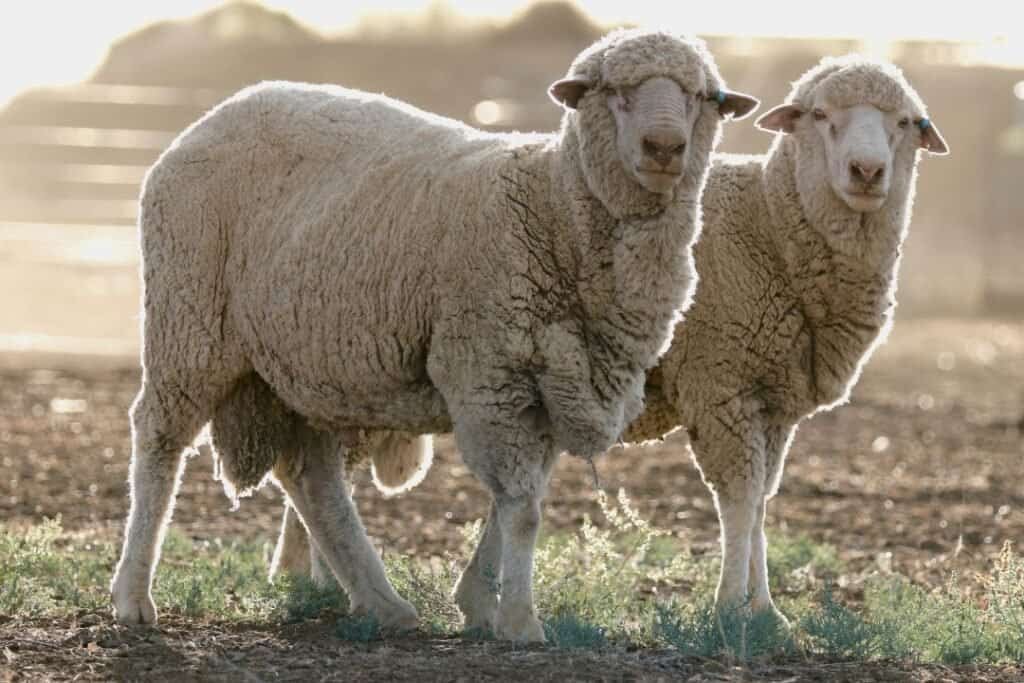
When comparing merino wool vs wool (regular sheep’s wool), the differences come down to fiber quality and performance. Regular wool works well for stationary or heavy-duty uses, but merino shines in active, variable conditions.
| Aspect | Merino Wool | Regular Wool |
|---|---|---|
| Fiber Diameter | 18 to 24 microns (fine and soft) | 25 to 40+ microns (coarser) |
| Softness | Extremely soft, rarely itchy | Often itchy, especially next to skin |
| Warmth to Weight | Excellent insulation, lightweight | Good warmth but heavier |
| Breathability | Superior temperature regulation | Moderate |
| Moisture Wicking | Fast drying, excellent sweat management | Slower to dry |
| Odor Resistance | High, can be worn multiple days without smell | Low, absorbs odors quickly |
| Shrinkage Risk | Low with proper care | Higher, especially if agitated |
| Best Uses | Base layers, all season travel gear | Outerwear, blankets, rugs |
In short, merino wool outperforms regular wool for most backpacking scenarios because it combines warmth, breathability, and low-maintenance care in one lightweight package.
Merino Wool vs Cashmere
Cashmere wool offers unmatched silkiness and lightweight luxury, but it’s more delicate and expensive. Merino wool proves more durable, moisture-wicking, and versatile for active travel. Many backpackers choose merino for daily wear and save cashmere for rest-day comfort.
Merino Wool vs Alpaca
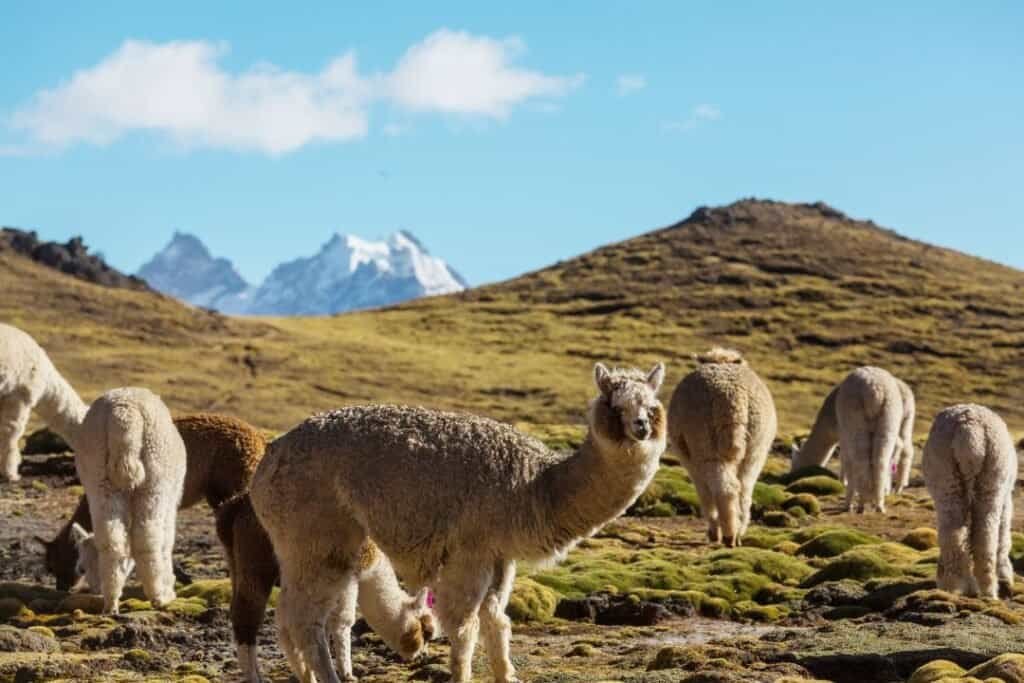
Alpaca provides excellent warmth and hypoallergenic properties with a slightly hollow fiber structure. However, merino edges out in breathability, odor control, and quick-drying, crucial for humid or sweaty adventures. Both are sustainable choices when ethically sourced.
Is Merino Wool Good for Summer? Why It Excels Year-Round
Yes, merino wool for summer is one of its biggest advantages. The fine fibers wick moisture away from your body, allowing evaporative cooling. Lightweight merino (120 to 180 gsm) feels cool against the skin in hot weather while blocking UV rays.
In humid jungles or desert treks, merino stays fresh longer than cotton or synthetics. Backpackers often wear the same merino tee for days of hiking without odor buildup. This versatility makes merino ideal for trips spanning seasons or climates.
How to Care for Merino Wool
Merino requires minimal fuss, perfect for life on the road. With simple care, merino pieces last years of heavy use.
- Wash infrequently, air out to refresh.
- Hand-wash or machine on cold delicate cycle with wool-safe detergent.
- Will merino wool shrink? Only if exposed to hot water or high-heat drying. Always lay flat to dry.
- Spot-clean stains and avoid fabric softeners.
- Store folded in breathable bags with natural moth repellents.
Sustainability and Ethical Concerns
Responsible merino production prioritizes animal welfare and land health. Look for certifications like the Responsible Wool Standard (RWS). These ensure humane shearing, regenerative farming, and fair labor.
Merino sheep grazing supports biodiversity when managed sustainably, and the fiber biodegrades naturally, aligning perfectly with low-impact travel values.
How to Choose Merino Wool Gear for Backpackers
- Weight matters — Light (150gsm) for summer, midweight (200 to 250gsm) for three-season, heavy for winter.
- Pure vs blends — 100% merino for max benefits; blends add stretch or affordability.
- Prioritize ethical brands that disclose sourcing.
FAQs
Merino wool vs wool?
Merino is finer, softer, more breathable, and odor-resistant, ideal for active travel. Regular wool suits heavier, stationary uses.
Is merino wool itchy?
No, its superfine fibers feel soft and comfortable next to skin.
Is merino wool warm?
Yes, excellent insulation that works in cold without overheating.
Will merino wool shrink?
Rarely, if you wash in cold water and air-dry flat.
Is merino wool good for summer?
Absolutely, breathable, moisture-wicking, and quick-drying in heat.
Merino wool vs cashmere?
Cashmere is ultra soft and warm but delicate and best for low activity wear, while merino wool is more durable, breathable, odor resistant, and better suited for active use and travel.
Merino wool vs alpaca?
Alpaca delivers impressive warmth and skin friendly comfort, while merino performs better for moisture control and long wear without odor.