

Here is our epic Oslo 4 days itinerary. If you love nature, saunas, relaxing over a cinnamon bun and coffee, and checking out some beautiful sites, you’ve found the right guide. We found that 4 days is the perfect amount of time to experience the Norwegian capital without rushing, giving you space to explore its waterfront landmarks, creative neighborhoods, forest trails, and café culture. Oslo balances clean design, easy access to nature, and museums in a way that feels calm and highly livable.
Over four days, you can walk along the harbor, sauna in the fjord, ferry-hop between islands, hike or skate near Sognsvann, and spend time in neighborhoods like Grünerløkka and Majorstuen. The city is compact, easy to navigate by public transport, and well-suited to travelers who enjoy food, coffee, culture, and outdoor space.
This itinerary focuses on a realistic pace, practical logistics, and the kinds of experiences that give you a sense of how locals live rather than trying to see everything in a short window. It’s designed to work well year-round, with seasonal adjustments for weather and daylight.
Whether you’re here for museums, saunas, coffee culture, hiking, or simply wandering through different neighborhoods, Oslo has something for everyone, and every budget too. In this guide, you’ll find the best things to see in Oslo, suggested walking routes, neighborhood tips, realistic costs in USD and NOK, and how to structure your time, whether you have one day or several days in the city.
This blog is supported by the community. We may earn a small commission if you purchase through our links. As an Amazon Associate, we earn from qualifying purchases. See our Privacy Policy.
Google Maps Oslo Guide
Where to Stay in Oslo
- Scandic St. Olavs Plass (Karl Johans Gate, Center) Best Hotel & Breakfast
- Bunks at Rode (Grünerløkka) Best Hostel in Trendy Area
- Frogner House (Nationaltheatret, Center) – Best Self-Catered Apartment
Oslo 4 Days Itinerary: Landmarks, Saunas, Hikes, and Neighborhoods
How to Get Around Oslo
Oslo is one of the easiest cities in Scandinavia to navigate without a car. Most central attractions can be reached on foot, especially around the harbor, Karl Johans Gate, and Grünerløkka. For longer distances, the metro, trams, buses, and ferries all run on the same ticket system.
A single public transport ticket costs around $4.50 to $5 USD (45 to 50 NOK) and is valid across all modes for one hour. A 24-hour pass is usually around $12 to $14 USD (120 to 140 NOK) and can quickly pay for itself if you plan to move around frequently. Ferries to the Bygdøy Peninsula are included with regular transit tickets.
Ride-hailing services and taxis are reliable but expensive. Short Uber rides often start around $15 to $25 USD (150 to 250 NOK). Walking and public transport remain the best value options for most travelers.
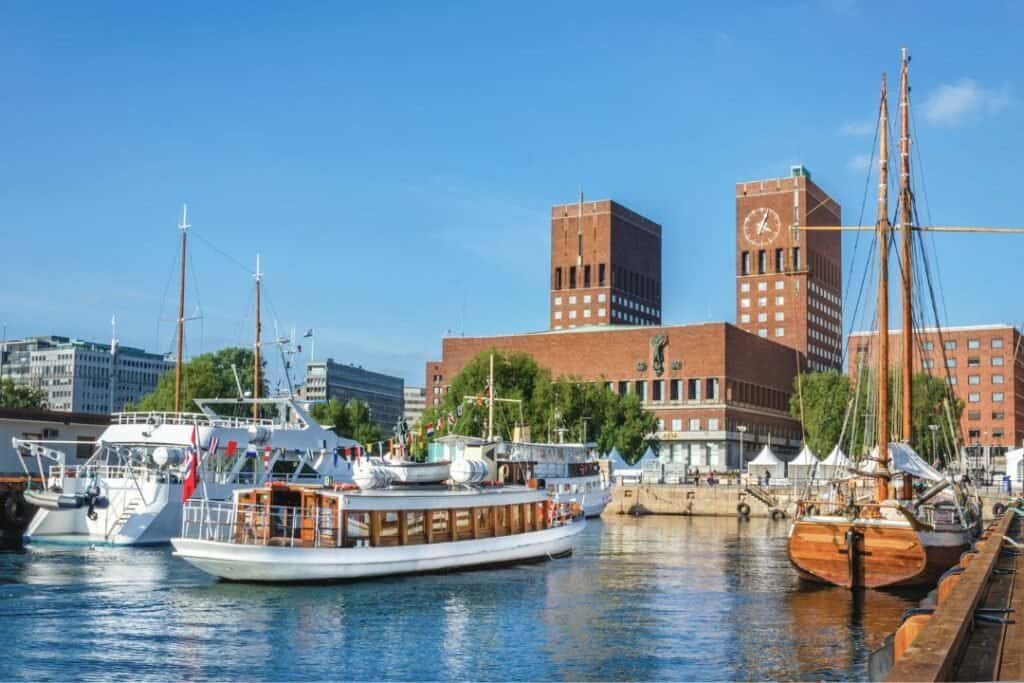
Where to Stay in Oslo Based on Your Travel Style
Choosing the right neighborhood can shape your experience in Oslo.
City Center and Sentrum work well if you want to walk everywhere and stay close to museums, shopping streets, and transport hubs. Hotels here tend to be slightly pricier, but save time and transit costs.
Grünerløkka is ideal if you enjoy vintage shops, cafés, nightlife, and creative neighborhoods. It feels more local and relaxed while still being well-connected by tram and bus.
Biererbakken and St. Hanshaugen offer a quieter residential feel with easy access to parks and local bakeries. We stayed in this area and appreciated the calm local feel while still being walkable to central neighborhoods.

Accommodation prices are reasonable compared to food costs. Expect mid-range hotels or private Airbnb rooms to average $120 to $180 USD per night (1,200 to 1,800 NOK) depending on season. Dining out, however, adds up quickly, so having kitchen access can significantly reduce daily costs.
We stayed one night at the Scandic St. Olavs Plass and three nights in the Biererbakken area in an Airbnb.
Day 1: City Landmarks, Historic Streets, Food Stops, and Sunset Views
Before we get into what we did over the 4 days in Oslo, make sure to check out our Oslo Guide on Google Maps, where we have marked landmarks, activities, food and drink, and neighborhoods we talk about in this guide.
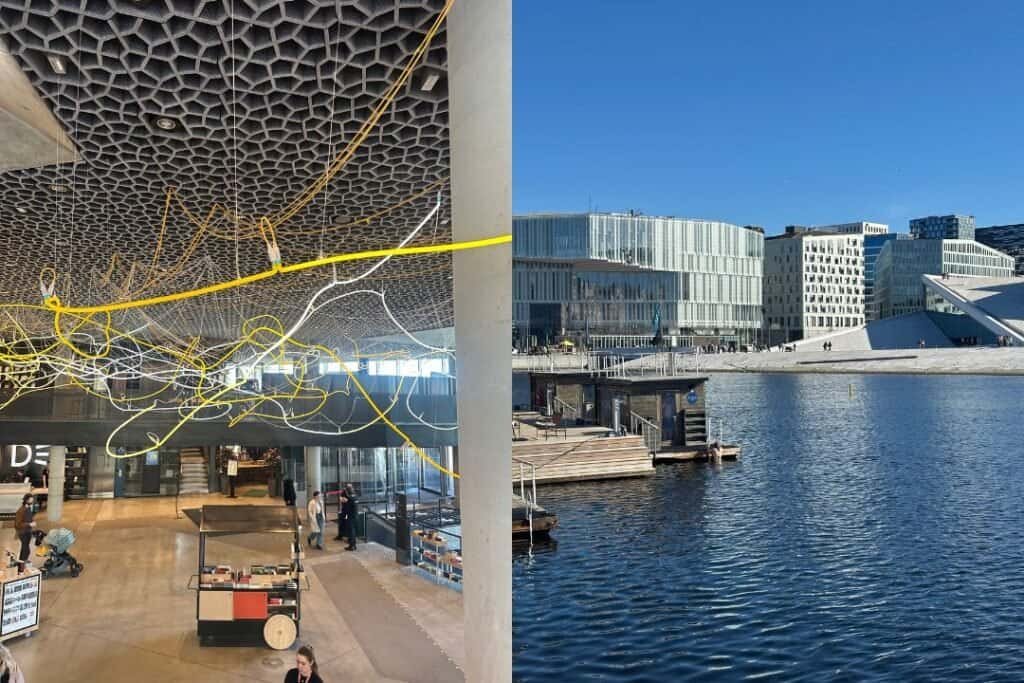
Begin your first day exploring central Oslo on foot. Start at the Oslo Opera House, where you can walk up the sloping roof for sweeping views across the fjord and harbor. From here, walk toward Oslo Cathedral and follow Karl Johans Gate toward the Royal Palace, passing cafés, shops, and small galleries along the way.
Make a short stop at the Oslo Public Library (Deichman Bjørvika). This modern space is open to the public and offers quiet seating areas, harbor views, and clean facilities. It’s a great place to recharge, especially if you’ve been walking for a few hours.
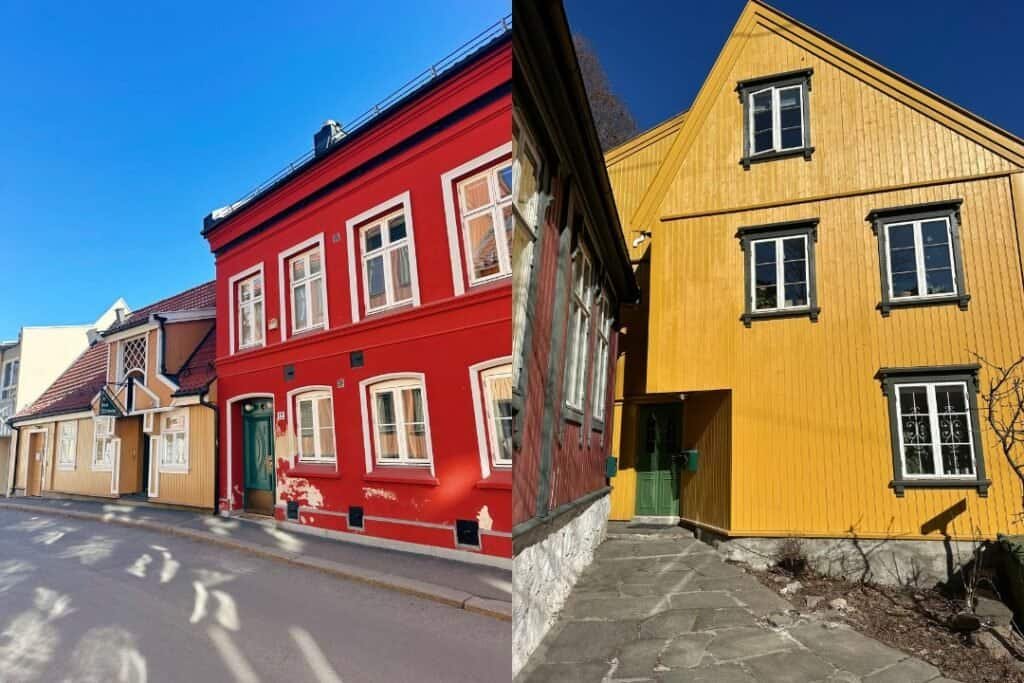
Damstredet and Telthusbakken
Continue toward Damstredet and Telthusbakken, two of the city’s most charming historic streets. Oslo doesn’t have as many colorful wooden neighborhoods as Bergen or Trondheim, but these preserved 19th-century houses provide a glimpse into what traditional Norwegian residential streets once looked like. Residents still live here, so wander respectfully and avoid photographing into windows. The walk from central Oslo takes about 20 minutes.
For food, head to Mathallen Food Hall in the Vulkan district. It’s one of the best places to sample local and international food without committing to a full restaurant. Also, expect casual meals around $15 to $25 USD (150 to 250 NOK) per person, depending on what you order.
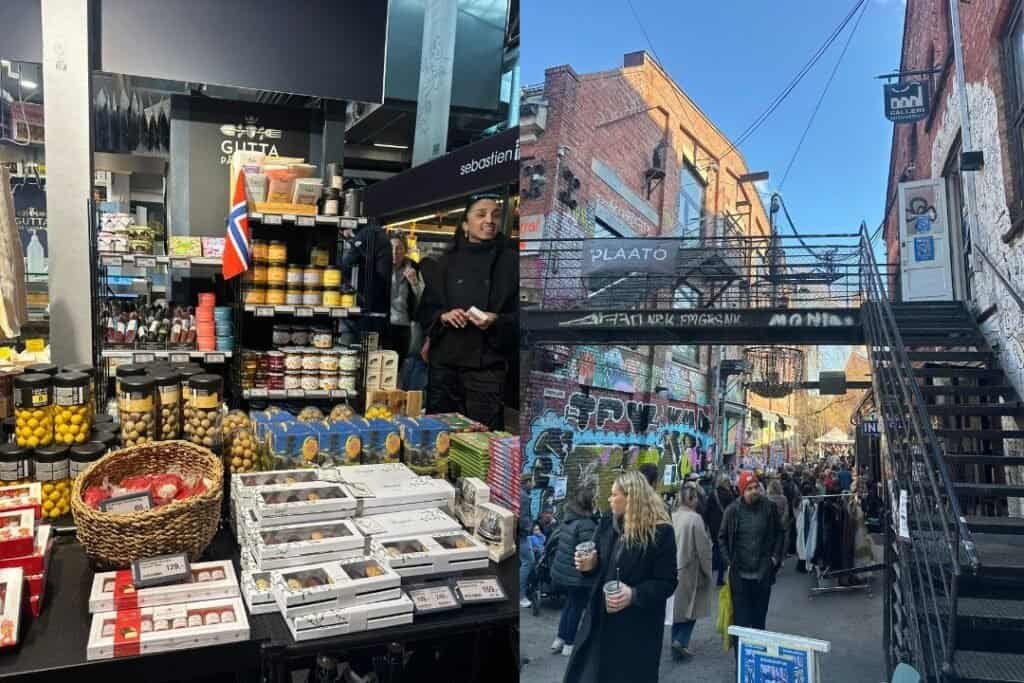
Start with a walk along the Akerselva River, following the pedestrian paths that wind past old industrial buildings, small waterfalls, and quiet green pockets. This riverside route offers a calmer side of Oslo compared to the busy harbor and shopping streets, and it’s an easy way to stretch your legs while still staying close to the city.
If you continue into Grünerløkka afterward, stop at Haralds Vaffel for a Norwegian waffle. Try the brunost with jam if you’re curious. It’s a uniquely Norwegian flavor that divides opinions but is worth experiencing at least once. Oh, and you must try the Norwegian brown cheese. It’s more of a desert than a savoury cheese, but it is unbelievable. Waffles cost around $6 to $8 USD (60 to 80 NOK).
Grünerløkka
Grünerløkka is also excellent for vintage shopping and independent stores. Also you can browsw secondhand shops, record stores, and design boutiques. Chillout Travel Store was our highlight! We love outdoor gear, and this store had a huge selection plus secondhand equipment.
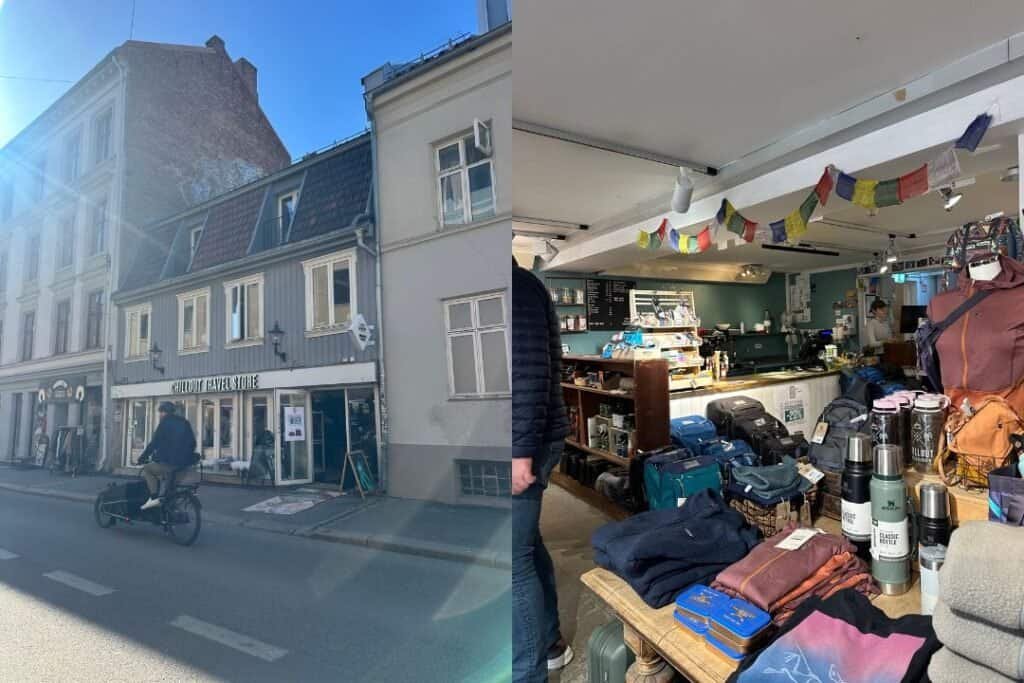
From here, it’s easy to continue on toward your evening plans or head back across the river before making your way to Ekebergparken for sunset, which rounds out the day beautifully.
If you end the day at Ekebergparken Sculpture Park for sunset, walk through the forest, and head to the lookout. Sitting above the city, the park offers panoramic views over the fjord and skyline. Walking trails weave through forested areas and sculpture installations, making it a peaceful way to finish the day. Public transport back to the city center takes around 15 to 20 minutes.
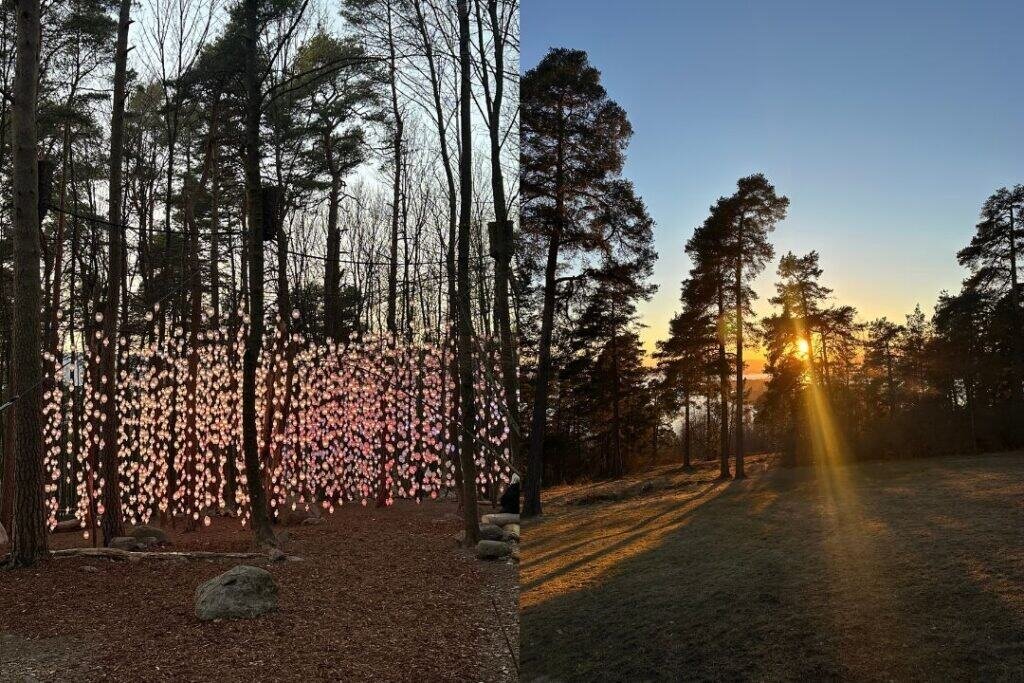
Day 2: Waterfront Walking, Museums, Saunas, and Harbor Neighborhoods
Start the morning with a slow walk along the harbor from Aker Brygge toward Tjuvholmen. This stretch is one of the best places to understand how Oslo blends modern design with open public space. Boardwalks, swimming platforms, cafés, and small galleries line the water, and it’s easy to spend time simply wandering and people-watching.
From here, visit the Astrup Fearnley Museum of Modern Art if contemporary art interests you. The building itself is part of the experience, with open glass walls facing the fjord. Entry typically costs around $18 to $22 USD (180 to 220 NOK). If museums aren’t a priority, continue walking toward Akershus Fortress, which you can walk around for free. There are elevated paths that offer views back across the harbor and cruise terminals.
For lunch, stay near the waterfront or walk toward the city center, where bakeries and casual cafés offer lighter meals. Expect to spend $12 to $20 USD (120 to 200 NOK) for sandwiches or soup.
Vigelandsparken and Frogner Park
From the waterfront, take a tram or bus toward Frogner Park to visit Vigelandsparken, one of Oslo’s most famous outdoor attractions, which is completely free to visit. The park contains more than 200 sculptures by Gustav Vigeland, all exploring human life, relationships, aging, and emotion. Even if sculpture isn’t normally your thing, the scale and openness of the park make it worth seeing.
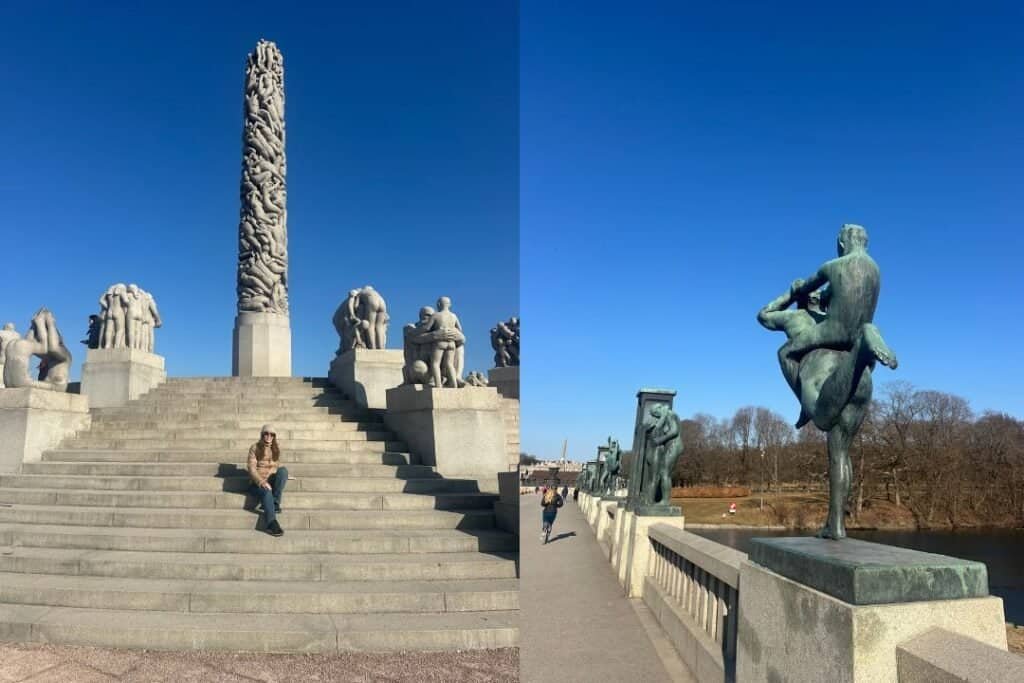
Walk across the iconic bridge lined with expressive bronze figures, continue toward the Monolith tower made from interlocking human forms, and explore the surrounding gardens and lawns. Locals use the park as a place to picnic, sunbathe, jog, and relax, especially in warmer months. It’s a good contrast to the city streets and museums, and an easy place to slow the pace for an hour or two.
We saw a few walking tours with guides explaining more about the sculptures, as the pieces are really fascinating. If you want to look more into this, there are tour options on Get Your Guide. We have added a few options below.
Allow around 60 to 90 minutes here, depending on how much you explore. Public transport from the city center takes roughly 15 to 20 minutes and costs around $4 to $5 USD (40 to 50 NOK) per journey using the Ruter ticket app.
After visiting Vigelandsparken, continue back toward the harbor for your scheduled sauna session.
Sauna
In the afternoon, book a session at one of Oslo’s floating saunas. KOK Sauna offers fjord sightseeing combined with sauna sessions, while SALT blends sauna experiences with cultural programming and social spaces. Oslo Badstuforening provides smaller raft saunas close to the Opera House, some built from reclaimed materials. Prices usually range from $27 to $55 USD (260 to 550 NOK) depending on the sauna and time slot. Also, most sessions include cold-water plunges directly into the fjord, which feels invigorating year-round. We went in late March and plunged in the fjord between sauna sessions.
We went to Oslo Badstuforening, which was NOK 260 or $27 USD. It was not directly in front of the Opera house, so it was slightly cheaper. Plus, it is close to the Munch Museum, and we had a great experience.
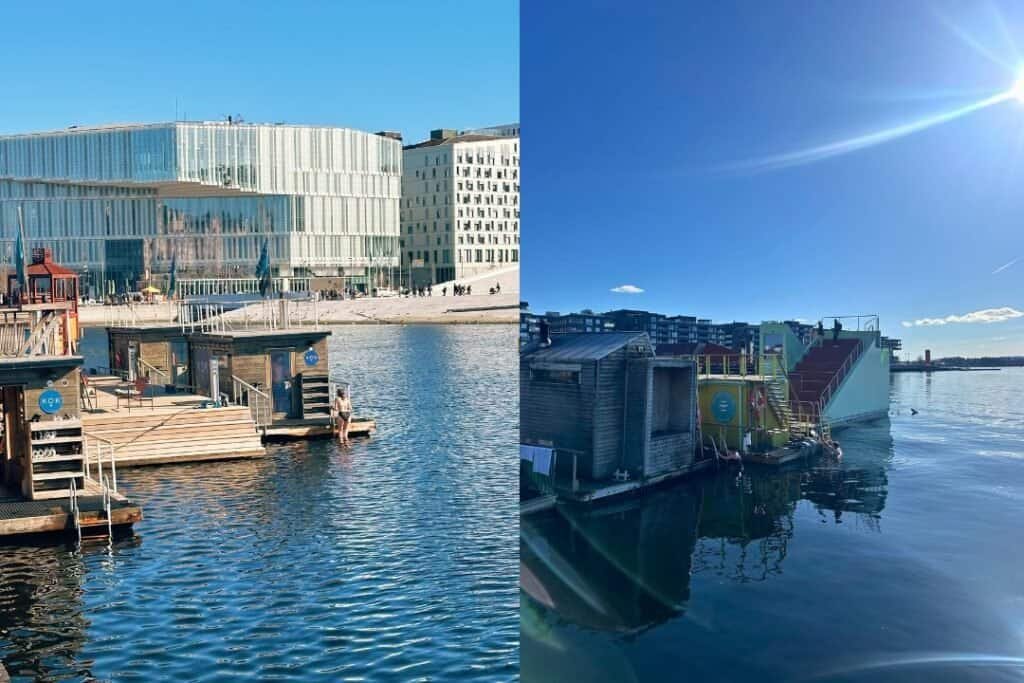
Read more: What a Sauna Does: 7 Benefits for Health, Recovery, and Well Being
After your sauna, dry off with a warm drink nearby or return to your accommodation for a short rest. For dinner, Aker Brygge and Tjuvholmen offer scenic waterfront dining, though prices are higher. If you want better value, take the tram back to Grünerløkka or Vulkan for more casual options and street food.
Day 3: Sognsvann Hiking, Skiing, and Coffee and Buns in a Lodge
No trip to Olso is complete without taking advantage of the stunning nature right on the city’s doorstep. You can take the metro about 20 minutes north to Sognsvann Lake, one of Oslo’s easiest nature escapes. The lake sits at the edge of Nordmarka forest and offers a flat walking loop that suits all fitness levels. Trails also branch deeper into the woods for longer hikes if you want a quieter experience.
Read more: Our Guide to the Best Daypacks for Hiking
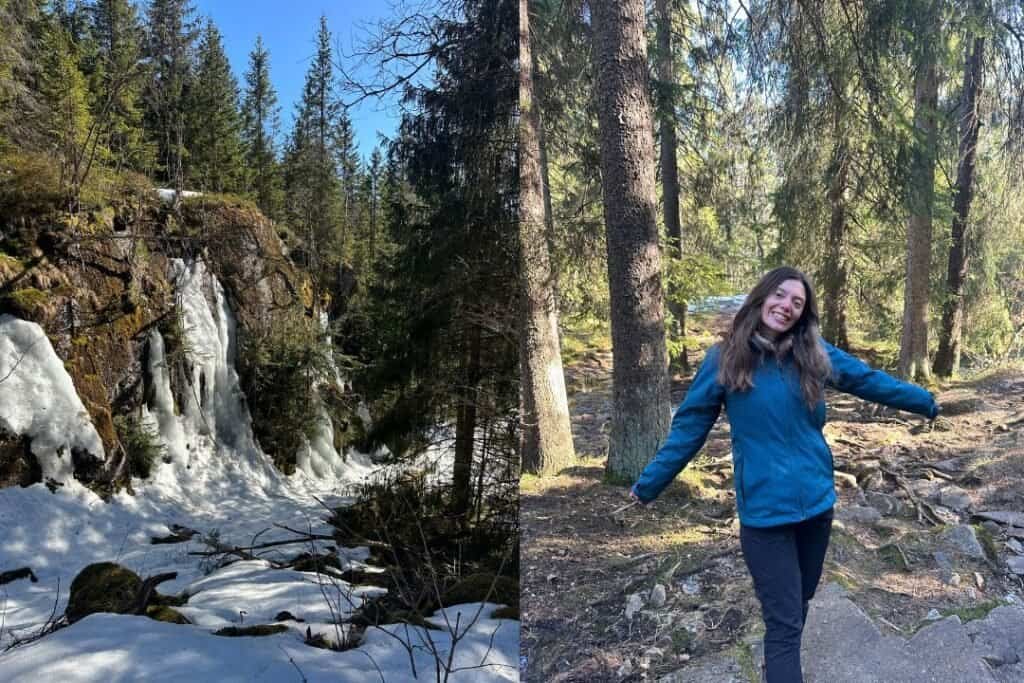
In warmer months, locals swim, sunbathe, and picnic along the shoreline. In colder seasons, the area transforms into a winter walking and cross-country skiing zone, and parts of the lake may freeze for skating when conditions allow. The scenery remains peaceful year-round, making this a good day to slow down and reset after city sightseeing.
There are several small lodges and kiosks that sell waffles, cinnamon rolls, coffee, and hot chocolate. Expect to spend $5 to $8 USD (50 to 80 NOK) for baked goods or drinks. Packing snacks or sandwiches from a grocery store can keep costs down. We had a picnic lunch and stopped for a coffee and cinnamon bun on the way back.
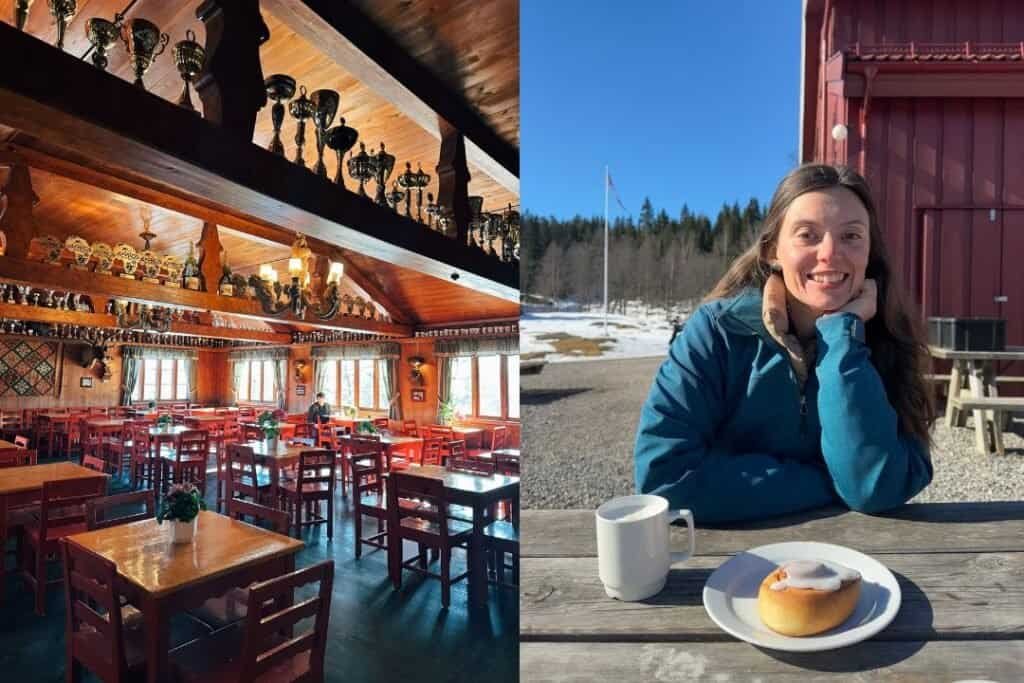
If you still have energy after returning to the city, consider an evening walk in nearby neighborhoods or along the Akerselva River. This is also a good evening to cook at home if you have a kitchen, helping balance the higher cost of dining out.
Day 4: Grünerløkka Culture, Markets, Coffee Stops, and Local Neighborhoods
Start your final day in Oslo by heading down to the harbor and catching a public ferry to the Bygdøy Peninsula, often referred to as Oslo’s museum island. The ferry ride itself only takes around 10 to 15 minutes and is included in a standard public transport ticket, costing roughly $4 to $5 USD (40 to 50 NOK). It’s an easy and scenic way to cross the fjord. You can also take a bus directly.
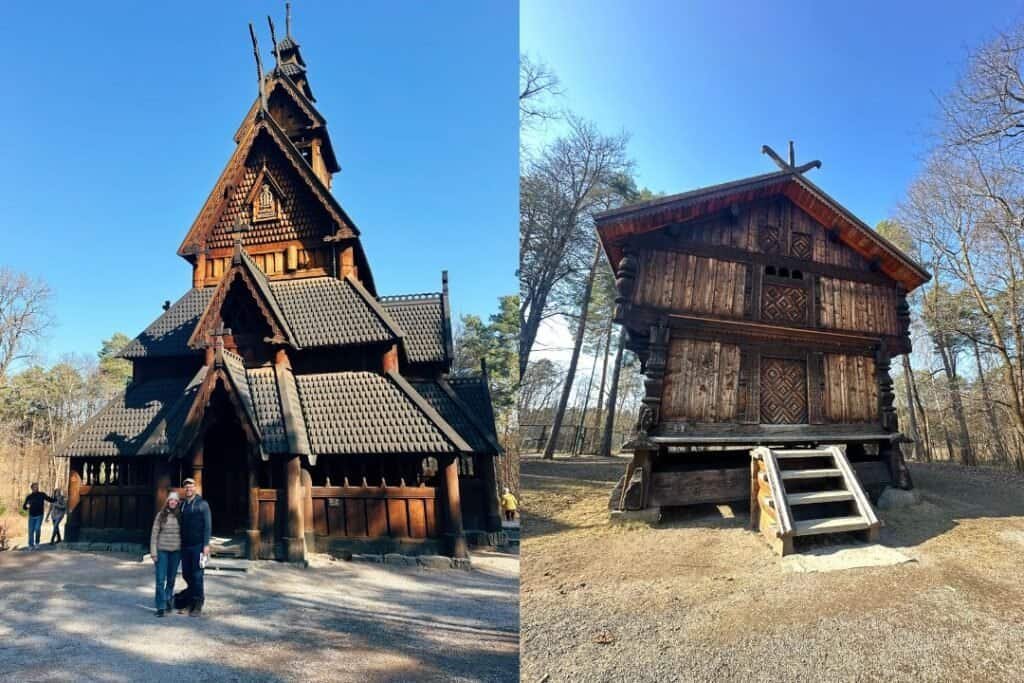
Bygdøy is home to several of Norway’s most important museums. The Fram Museum explores polar exploration and historic Arctic expeditions, while the Kon-Tiki Museum tells the story of Thor Heyerdahl’s legendary ocean crossings. If you prefer cultural history, the Norwegian Folk Museum is an open-air collection of traditional buildings and churches from different regions of the country.
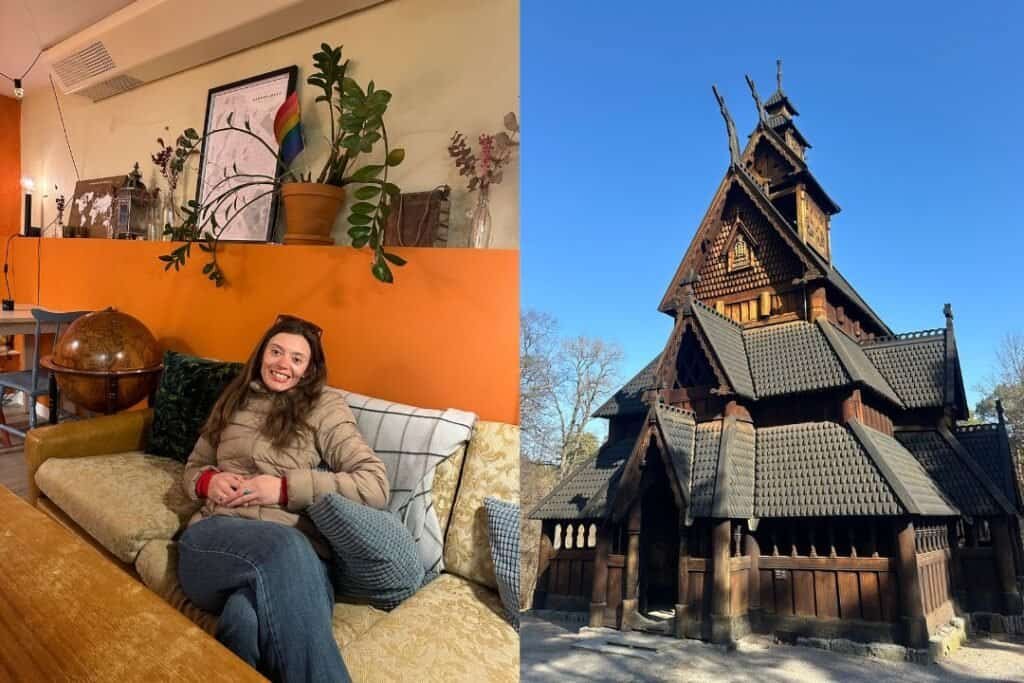
We visited the Norwegian Folk Museum and loved the stave church from Gol, pictured below. This was restored to its supposed original look from the 1200s. The inspiration for the missing medieval building parts was drawn from Borgund Stave Church. The open-air museum also has more than 150 buildings, relocated from towns and rural districts. Definitley one of our highlights.
Even if you only choose one museum, the peninsula itself is worth visiting for its coastal paths, quiet beaches in summer, and relaxed pace compared to the city center. Plan to spend two to three hours here, depending on your interests.
Ferry Hopping
After exploring Bygdøy, continue your time on the water with ferry hopping in the Oslofjord. These ferries operate like regular public transport, so you can stay on the same ticket and hop between nearby islands such as Hovedøya, Gressholmen, and Lindøya. The short crossings provide fresh air, harbor views, and a glimpse into local island life.
In warmer months, locals swim, picnic, and cycle across the islands, while cooler seasons still offer peaceful views and a calm break from the city. It’s a simple and affordable way to experience Oslo from a different perspective without committing to a tourist cruise. We did not have the chance to visit the other islands, but in the warmer months we would definitely recommend checking that out.
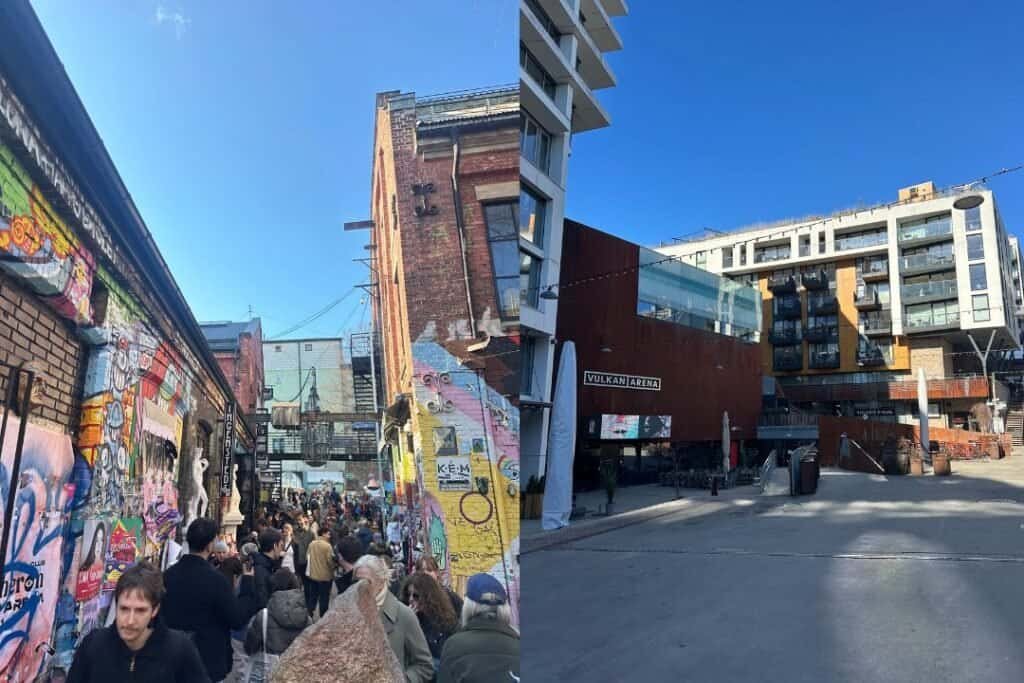
Return to the city in the afternoon and head toward the Vulkan district for the Sunday market. If you’re visiting on a Sunday, walk toward Blå for the Frank Znort Quartet live music session in the afternoon. Also, the surrounding area often hosts informal markets and social gatherings along the river. End the night before you leave enjoying dinner or a drink in the surrounding area.
Food Costs and Budget Tips for Oslo
Dining out is expensive in Norway. Casual meals average $15 to $25 USD (150 to 250 NOK) while restaurant dinners often reach $30 to $40 USD (300 to 400 NOK) per person. Groceries can also be pricey, but cooking some meals helps balance your budget.
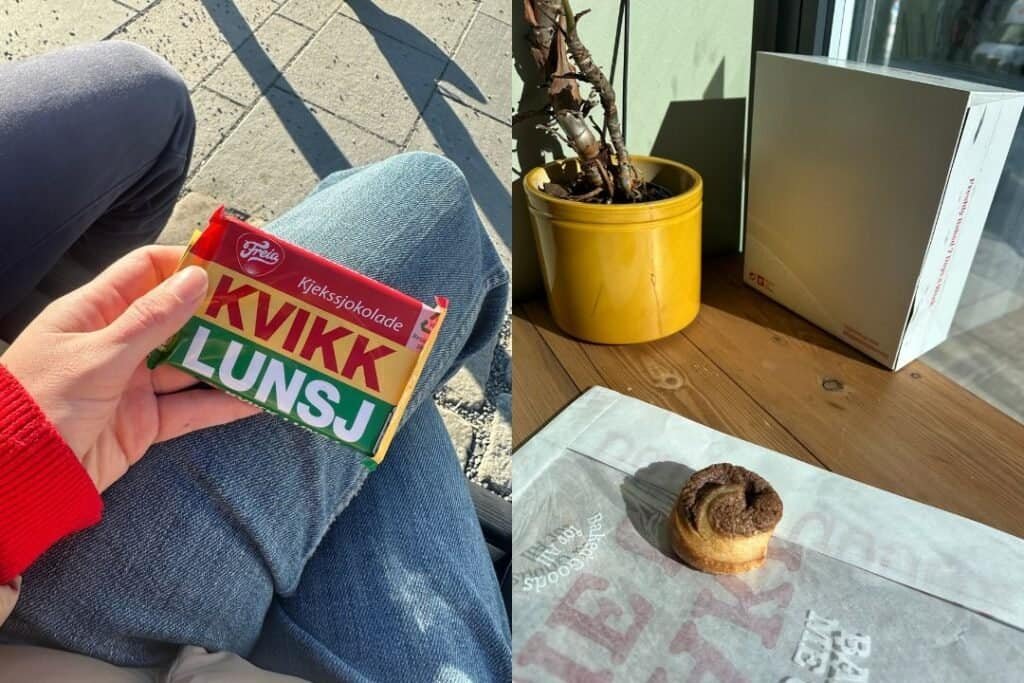
Norwegian hotel breakfasts are often generous and worth booking to experience once. If you love smoked salmon, cheeses and fresh bread you will be in for a treat. Also, one tip: try some local snacks like Kvikk Lunsj, Norway’s beloved chocolate bar, similar to a KitKat. We couldn’t get enough of them, delicious.
What is the Oslo weather like by month?
Oslo has four distinct seasons.
- May to August: Mild to warm weather, long daylight, best for outdoor activities.
- September to October: Cooler temperatures and fall colors.
- November to March: Cold with snow, short daylight, great for winter sports and sauna culture.
- April: Transition season with variable weather.
Always pack layers and a waterproof jacket.
What is the best time of year to visit Oslo?
The best time to visit Oslo is from May through September when daylight is long, and temperatures are mild. Summer is ideal for hiking, swimming, ferry hopping, and outdoor cafés. Winter is colder and darker, but great for snow activities, cozy cafés, saunas, and seasonal markets. If you’re visiting in winter, plan for shorter daylight hours. We visited at the end of March, which was perfect; there was still snow in Sognsvann, but the daylight hours were longer. The fjord was also warm enough to plunge into between saunas.
Are 4 Days in Oslo Enough?
Four days are an ideal amount of time to explore Oslo at a relaxed pace. You can cover major museums, neighborhoods, outdoor areas, and food culture without feeling rushed. Also, if you have less time, focus on the city center and one nature outing. If you have more time, consider adding island hopping in the Oslofjord or longer forest hikes.
FAQs
Is Oslo expensive for travelers?
Yes, Oslo is one of the more expensive cities in Europe. Meals out often cost $20 to $35 USD (200 to 350 NOK), coffee averages $4 to $6 USD (40 to 60 NOK), and museums typically range from $10 to $18 USD (100 to 180 NOK). Many travelers save money by booking accommodations with kitchens, cooking some meals, and using public transport instead of taxis.
How do you get around Oslo?
Oslo is easy to navigate using public transport. Trams, buses, metro lines, ferries, and trains all operate on the same Ruter ticket system. A single ticket costs around $4 to $5 USD (40 to 50 NOK), and day passes offer good value. Most central attractions are walkable, and ferries to the islands operate like regular public transport.
Is Oslo safe for solo travelers and women?
Yes, Oslo is considered very safe for solo travelers and women. Public transport is reliable and clean, and the city feels secure even in the evening in central areas. Standard precautions apply, especially late at night and in nightlife districts. Norway has strong public safety standards and high levels of trust.
Can you see Oslo in one day?
You can see highlights in Oslo for 1 day, focusing on the Opera House, Karl Johans Gate, City Hall, Akershus Fortress, and a museum stop. However, a single day doesn’t allow time for nature, island ferries, saunas or exploring neighborhoods, which are some of Oslo’s strongest experiences.