

Choosing the best place to travel in Italy is no easy task, and that’s what makes the country so special. From the Alpine region in the north to the sunny shores of the Amalfi Coast. Every region has its own unique feel, pace, and, of course, food. Italy is a place that blends art, food, history, and nature so seamlessly that no two trips ever feel the same.
We’ve traveled through the country from top to toe, Milan to Cinque Terre, Florence to Bologna, Naples to Rome, and discovered that the true magic of Italy lies in its variety. Northern Italy feels more refined and creative, while the south is buzzing and full of life. What ties it all together is a deep love of food, community, and beauty that can be felt everywhere, from a morning espresso to a sunset over the Mediterranean.
This guide brings together our favorite places to travel in Italy, focusing on food, culture, and nature. If you want a guide more centered around a travel route, we also have our ultimate Italy 10 day itinerary for those interested in seeing Naples, Pompeii, the Amalfi Coast, and Rome. We also have the best one week northern Italy Itinerary too. This article, however, will cover the best places to visit in Italy (in our opinion), fit for backpackers or away on vacation. In no particular order, here are the places we loved and would love to visit.
This blog is supported by the community. If you choose to purchase through our links, we may earn a small commission, which allows us to keep creating content. As an Amazon Associate, we earn from qualifying purchases. Learn more.
Looking for the Best Place to Travel in Italy? Here’s Where to Go for Food, Nature, Culture & Adventure
1. Milan – Best for Luxury
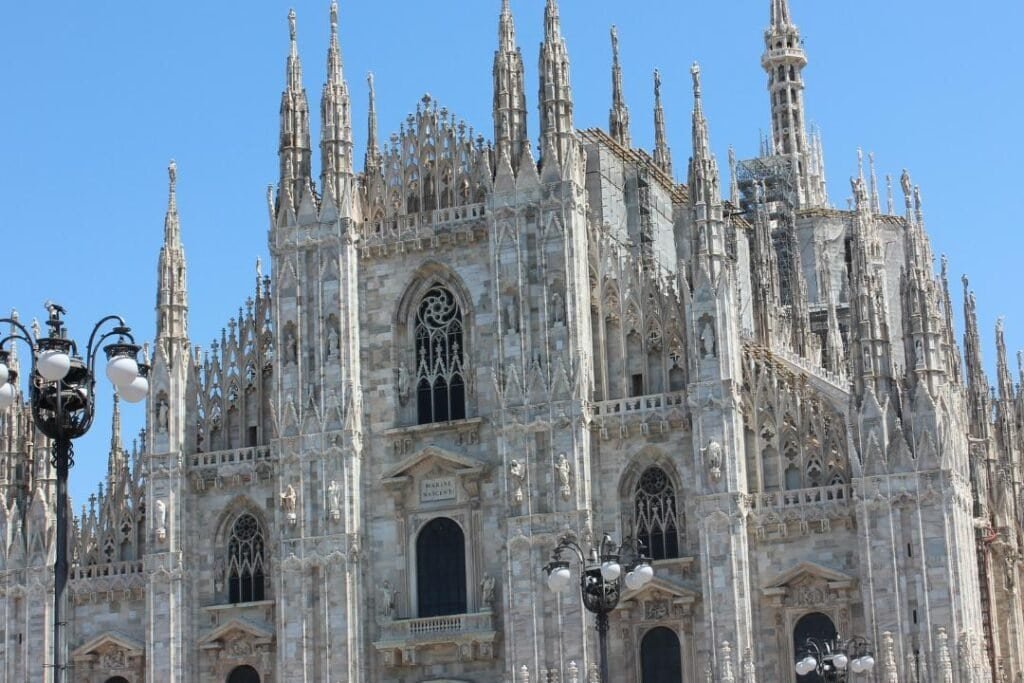
Milan often surprises people. While it’s known as Italy’s fashion and design capital, it’s also a great starting point for anyone backpacking or exploring the north. Flights here tend to be affordable, and the city’s modern infrastructure makes travel easy. We began our northern Italy journey here, climbing the Duomo’s rooftop for views that stretch toward the Alps.
The Duomo di Milano is the famous landmark of the city’s skyline, and climbing to the rooftop gives you sweeping views of the city and the Alps. Nearby, the Galleria Vittorio Emanuele II invites you to stroll beneath glass ceilings, and for food lovers, the Aperitivo tradition makes an early evening a feast of snacks and drinks.
Also, it’s worth booking a ticket to see da Vinci’s The Last Supper well in advance; it is a quiet, moving experience that feels worlds away from Milan’s lively energy. Beyond the big attractions, the neighborhoods of Brera and Navigli are where the city truly comes alive. Canal-side cafés fill with locals each evening, sharing aperitivo, small plates, and drinks before late Italian dinners.
For food, Milan’s risotto alla Milanese is a must, a saffron-rich and comforting dish. We loved that meals here start late and tend to be the main event of the night. Of course, you can still hit the bars after, but don’t expect restaurants to be busy around 6:30 pm.
Food & Drink Suggestions in Milan
- Luini – famous for panzerotti (stuffed pastries, great for a quick bite)
- Gelateria Paganelli – artisanal gelato since 1930, with seasonal flavors
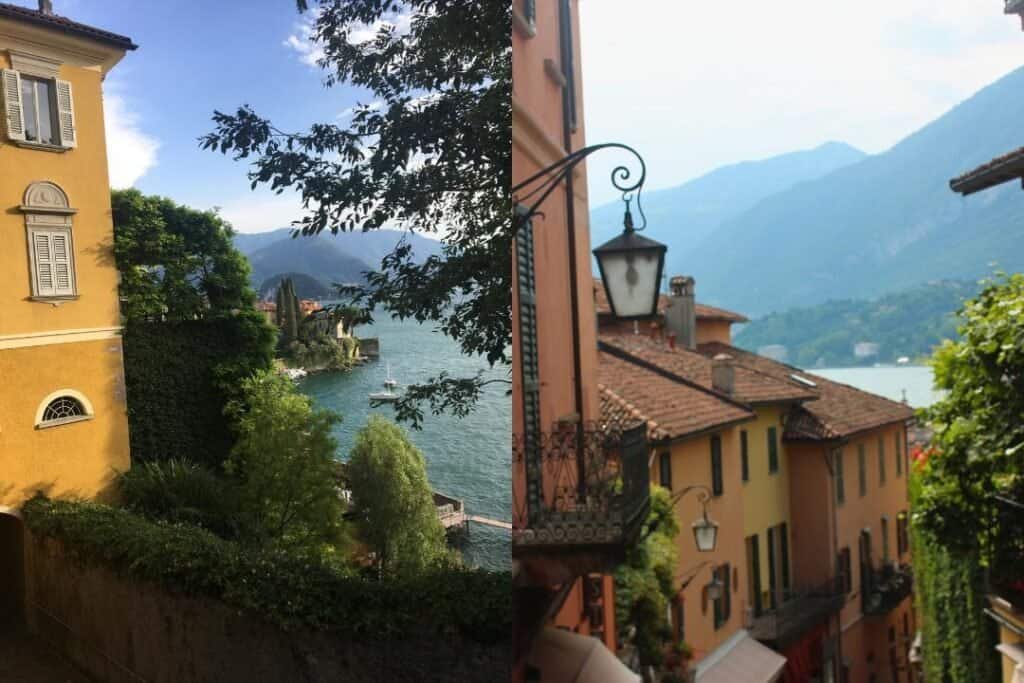
Just a short train ride away is Lake Como, elegant villas, shimmering water, and charming lakeside towns like Bellagio and Varenna. You can absolutely do a day trip to Como from Milan, or opt to stay there for a few nights.
Tip: Train tickets Milan → Lake Como start around 5–10 € (in 2025) if booked early.
2. Lake Como – Best for Nature and Relaxation
Just an hour north of Milan, Lake Como feels like stepping into a postcard. The villages look so iconically Italian, and ferries glide quietly across the lake. We stayed between Varenna and Bellagio, two of the most beautiful towns, and found it easy to travel by ferry between them. The rides themselves were part of the charm, offering glimpses of lakeside villas and green hills rising into the clouds.
One thing to note is that Como isn’t just for luxury travelers. While grand hotels line the water, there are also family-run guesthouses and simple trattorias serving lake fish and handmade pasta for under $20 a meal. A good cappuccino or glass of local wine costs just a few euros, and hiking trails above the villages are completely free.
3. Cinque Terre – Best for Hiking and Exploring Towns
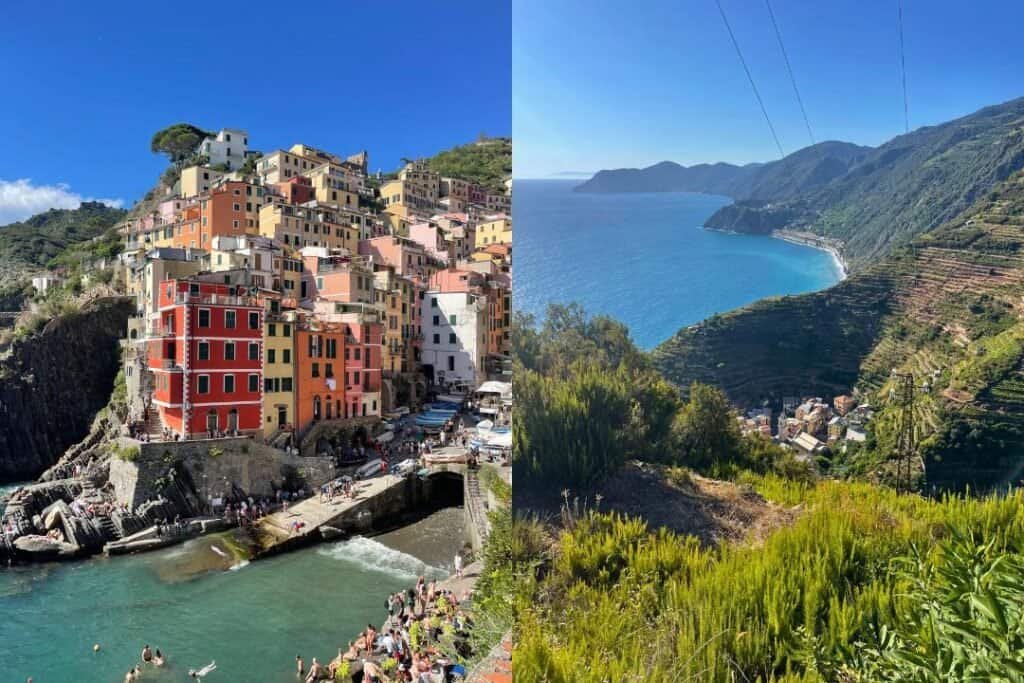
If you love hiking, stunning coasts, and village charm, head to Cinque Terre, five pastel villages perched on cliffs above the Ligurian Sea. Base yourself in either Monterosso (best beach access), Vernazza (most atmospheric), or, for budget backpackers, you can stay in La Spezia, the main gateway to the region. La Spezia offers more affordable accommodation and easy train access to the villages.
You can spend your days walking the Sentiero Azzurro (The Blue Trail) between towns, exploring olive groves and sea views. Even if hiking isn’t your style, the frequent trains between villages make it accessible. And of course, food is one of the highlights here: fresh pesto, anchovy dishes, focaccia, and local white wine.
We loved Monterosso for the best beaches, Vernazza for atmosphere, and Manarola for sunset views. The villages can be busy in summer, so if you can, visit between April and early June or in September.
Food & Drink Suggestions in Cinque Terre
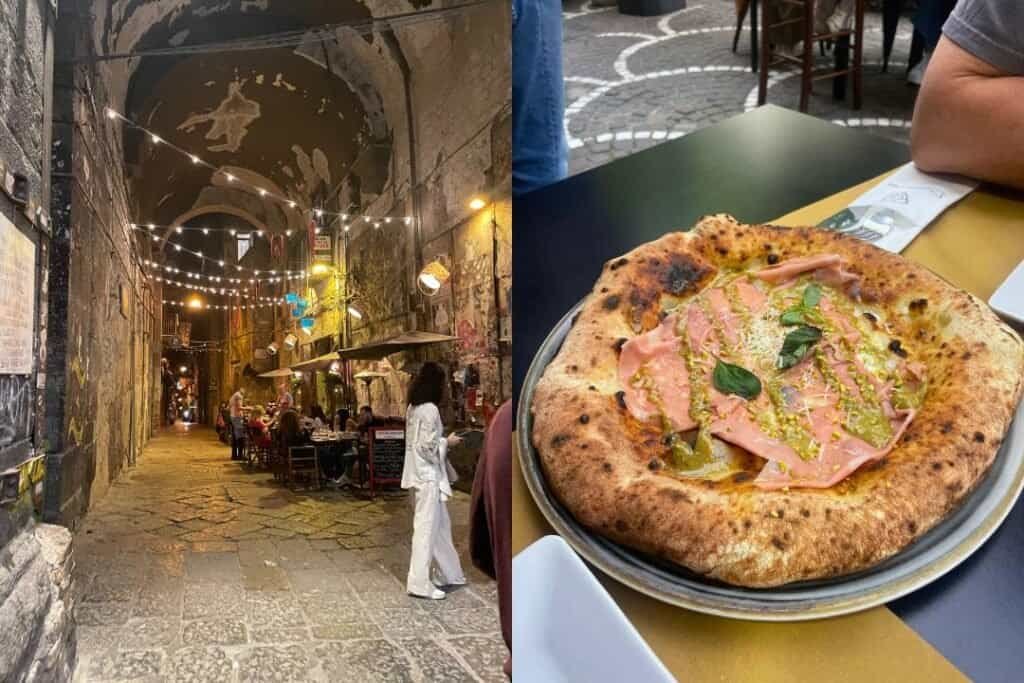
- Pizzium (La Spezia) – Hands down the best pizza we had this trip. Pictured above.
- Pasticceria Laura (Monterosso) – a small bakery with Ligurian sweets and focaccia
- Gelateria Vernazza – known for basil-flavored gelato
4. Florence – Best for Culture and Art
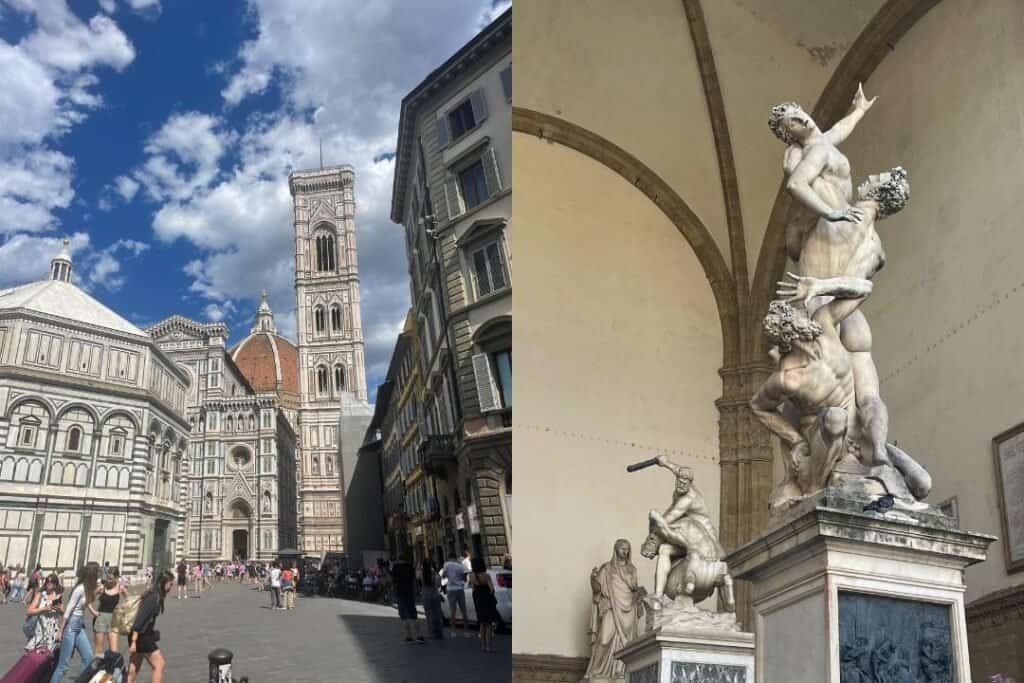
In the heart of Tuscany lies Florence, a city of Renaissance art, terracotta rooftops, and historical charm. We stayed at YellowSquare. Start at the Duomo and climb Brunelleschi’s dome for a view across the city. Spend time in the Uffizi Gallery among Botticelli, Michelangelo, and Leonardo, and Piazzale Michelangelo for sunset. Cross the Ponte Vecchio and wander into the Boboli Gardens for a breather from the city’s energy.
We also had great views from Giotto’s Bell Tower, where you can actually see the dome itself. Between art stops, we wandered through street markets, stumbled upon small bakeries, and tried lampredotto (a traditional Florentine sandwich) from a street stall.
For food, treat yourself to bistecca alla Fiorentina or hunt down a street-food lampredotto sandwich with a glass of Chianti. If you’re up for a day-trip, the Tuscan countryside or nearby Pisa. Florence is perfect if you crave art, architecture, food, and culture in a very walkable city.
Food & Drink Suggestions in Florence
- Mercato Centrale – indoor food market with fresh Tuscan produce and street food
- Trattoria Mario – iconic Florentine spot for bistecca alla Fiorentina
- All’Antico Vinaio – legendary sandwiches with fresh, local ingredients
- Gelateria La Carraia – a favorite gelato stop for both locals and travelers
- La Bussola – Delicious tiramsu
5. Bologna: Best for Cuisine
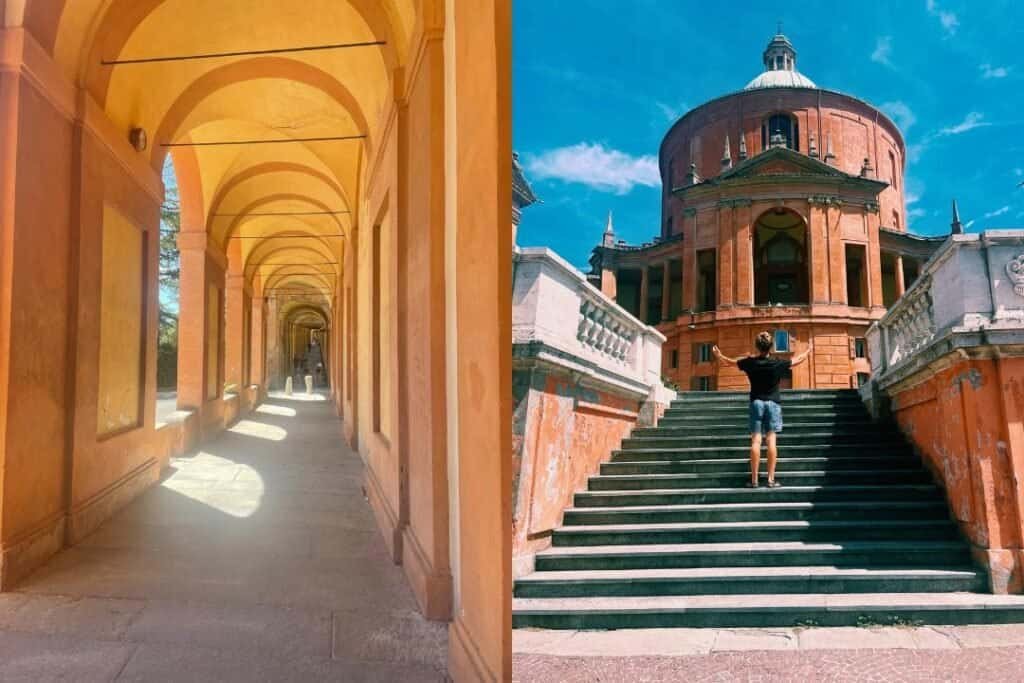
When people ask us where to eat best in Italy, we always say Bologna. It’s the birthplace of ragù alla bolognese, but beyond that, it’s a city built on food, pasta, cheese, and fresh produce sold in open-air markets. We arrived by bus from Florence and spent the day following recommendations from a local chef friend. Breakfast at Café Pasticceria Gamberini, lunch at Sfoglia Rina, and gelato at Cremeria Santo Stefano, each one perfect in its own way.
The city itself feels authentic and lived-in. Students fill the streets, the porticoes stretch for miles, and there’s always music or chatter drifting from the piazzas. We climbed the Asinelli Tower for views over red rooftops and ended the day sharing tigelle flatbreads and Chianti with fellow travelers.
Bologna is also budget-friendly compared to other cities. You can eat incredibly well for under $20 a meal, and hostels or guesthouses range between $25 and $50 per night.
Food & Drink Suggestions in Bologna
- Caffè Pasticceria Gamberini – historic bakery for cannoli, croissants, and cappuccinos
- Sfoglia Rina – cozy restaurant with some of the city’s best handmade pasta
- Cremeria Santo Stefano – artisanal gelato with natural ingredients
- Pizzeria Altero – classic Bolognese pizza by the slice for takeout
6. Naples: Birthplace of Pizza
Naples doesn’t pretend to be polished; it’s raw, loud, and full of energy. We started our southern Italy trip here, staying near the historic center where every street feels alive with movement and sound. Pizza was a daily routine, L’Antica Pizzeria da Michele became our go-to, and it’s worth every bit of its fame.
Beyond the food, Naples is history layered on history. Take a day trip to Pompeii or Herculaneum, both hauntingly preserved by volcanic ash, or visit the Archaeological Museum, which holds mosaics and statues from the ruins themselves. In the evenings, piazzas fill with families, street musicians, and locals eating late into the night.
7. Amalfi Coast: Best for Coastal Towns
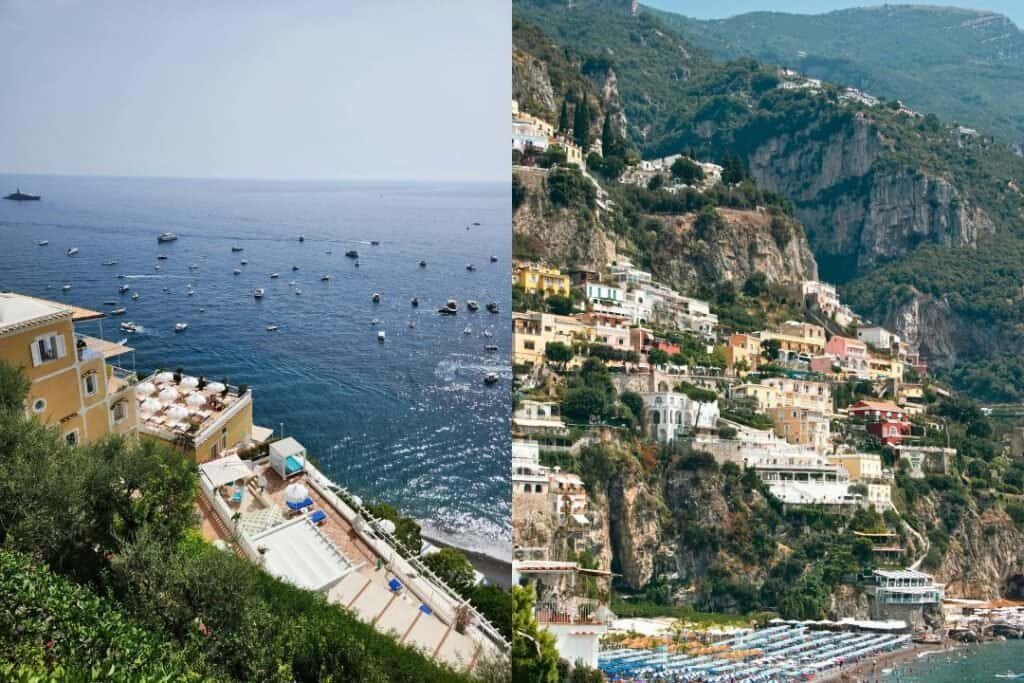
From Naples, we headed south to the Amalfi Coast, one of the most dramatic and beautiful stretches of coastline in the world. We based ourselves in Sorrento, where buses and ferries connect to Positano, Amalfi, and Ravello. It’s an area made for exploring: hiking the Path of the Gods, swimming in hidden coves, and lingering over seafood lunches on sunlit terraces.
Each town has its own personality. Positano is elegant and photogenic; Amalfi is historic, with its cathedral rising from the main square; and Ravello feels peaceful, with gardens and views that stretch for miles. Even in busy season, it’s easy to find quiet moments, early morning swims, or evening strolls after the crowds fade.
Costs vary widely here. Hostels and small hotels in Sorrento start around $40 a night, while luxury cliffside stays can reach $400+.
8. Rome: Best for Ancient History
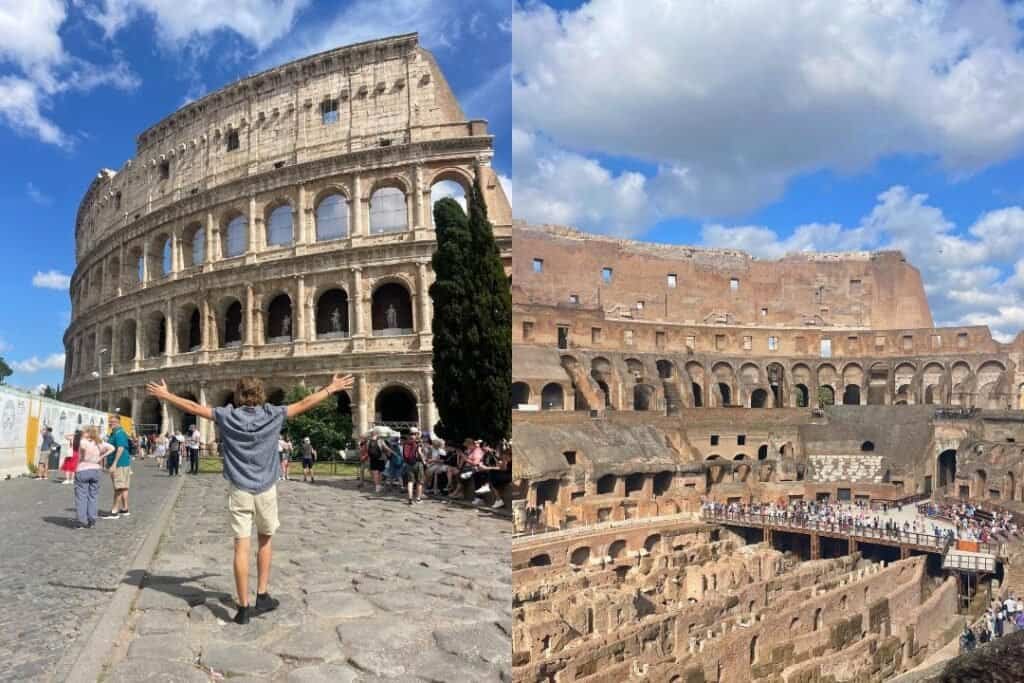
Rome, the city of love, the city of history, the city of food. It really can fit any kind of vacation criteria. From the Colosseum to the Pantheon to quiet ruins hidden behind modern cafes.
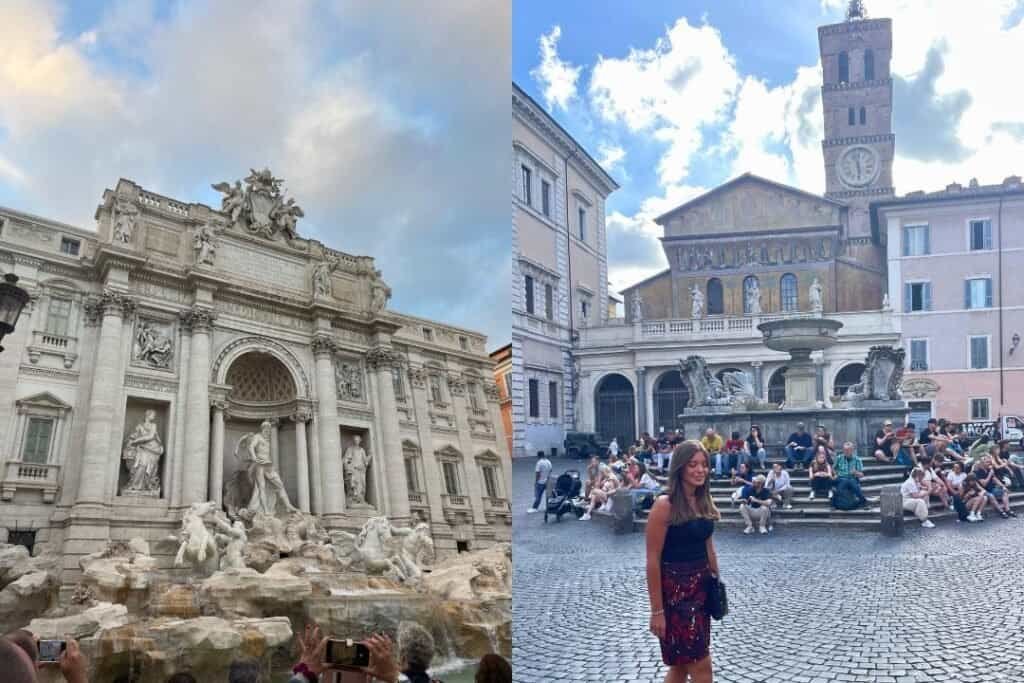
A day at Vatican City is essential; St. Peter’s Basilica and the Sistine Chapel are overwhelming in their detail and beauty. Of course, make sure you explore the Colosseum and the Forum. The food is amazing here too, we loved eating cacio e pepe in Trastevere, listening to street musicians, and watching the city turn golden at dusk.
Rome can be busy, but early mornings reveal its quieter side. Wake before sunrise, and you’ll have the Spanish Steps or Trevi Fountain almost to yourself.
One thing to note is that the accommodation in Rome is quite expensive, but the city itself is affordable.
Food & Drink Suggestions in Rome
- Tonnarello Scala: try the Polpette alla Vaccinara (meatballs with oxtail sauce), these were incredibly tasty.
- Trapizzino – casual street food with pizza-pocket hybrids
- Giolitti – one of Rome’s oldest and most famous gelaterias
9. Sicily: Best for Beaches
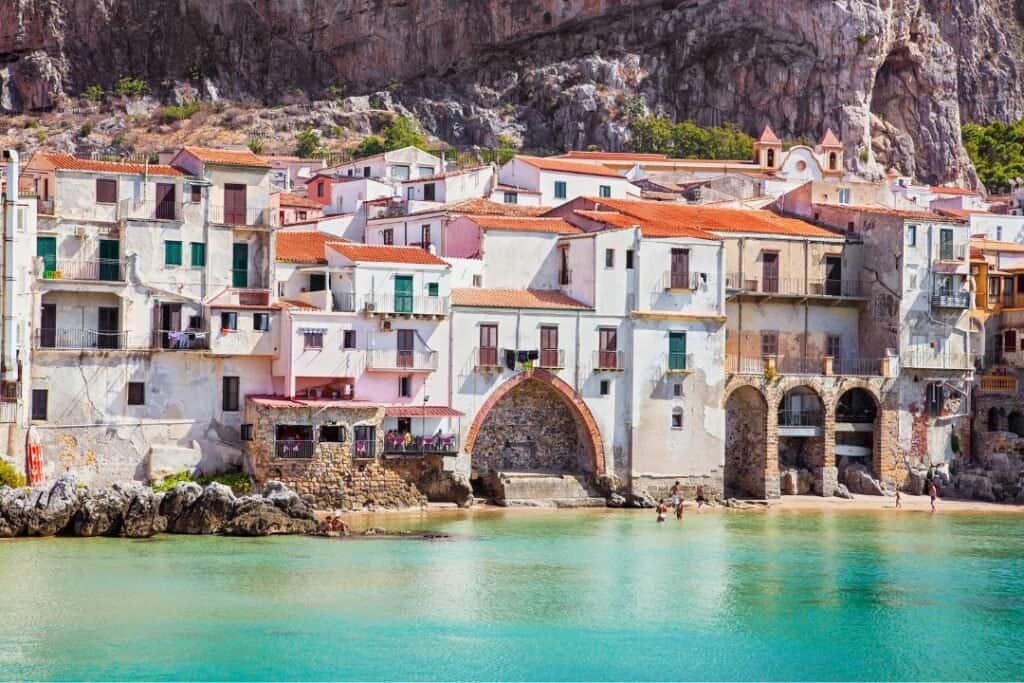
Sicily has its own feel, different from the rest of Italy. Spend time between Palermo’s bustling markets, Taormina’s coastal views, and the slopes of Mount Etna, Europe’s most active volcano.
The food here is fantastic too: fresh seafood, arancini (stuffed rice balls), cannoli, and granita for breakfast. Every dish is influenced by other nearby places, including Greek, Arab, and Spanish, which makes Sicily so unique. Agrigento’s Valley of the Temples and Cefalù’s beaches balance history with natural beauty, and both are easy to reach by train.
Sicily is best explored slowly, ideally by car, though buses connect most major towns. It’s affordable too, expect to spend about $30–60 a night for good guesthouses.
10. The Dolomites: Best for Mountains and Nature
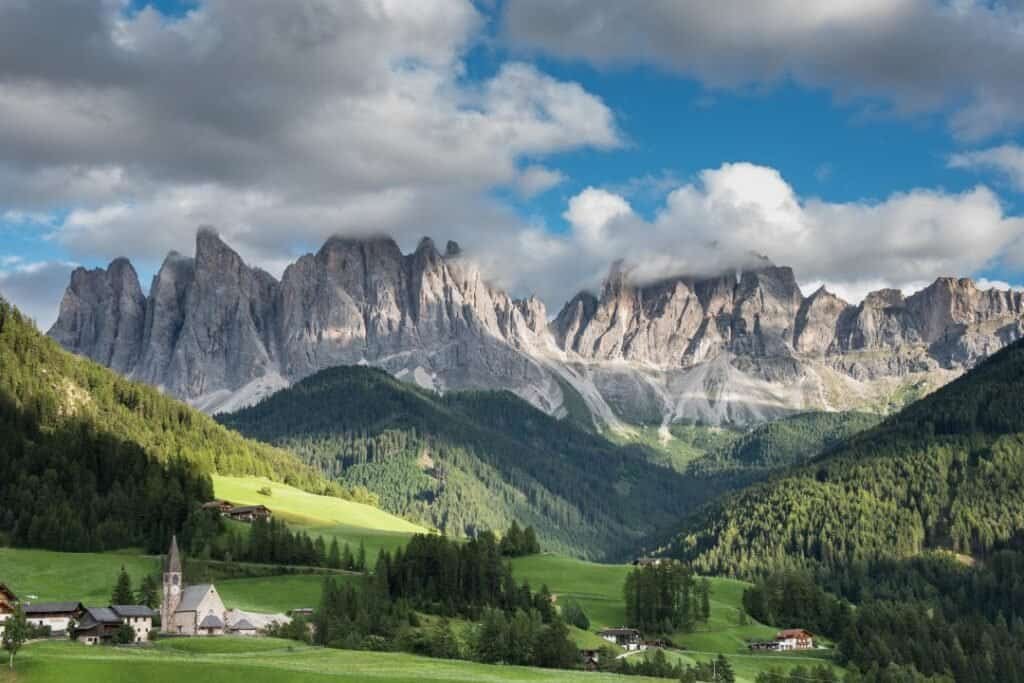
If you’re drawn to nature and open spaces, the Dolomites are one of the most breathtaking places to travel in Italy. Located in the country’s northeast, this mountain range is part of the Italian Alps and stretches across several provinces, including South Tyrol and Trentino. The landscapes here are dramatic, with sheer limestone peaks, alpine meadows, mirror-still lakes, and winding trails that feel a world away from the busy cities. It’s an ideal region for hiking and skiing.
Summer in the Dolomites is all about hiking and mountain huts. Trails like Tre Cime di Lavaredo, Lago di Braies, and Seceda Ridgeline are iconic, but hundreds of less-crowded routes pass through forests and quiet valleys. In winter, the region turns into a snow-covered wonderland, perfect for skiing or snowboarding in resorts like Cortina d’Ampezzo or Val Gardena. Even if you’re not an experienced hiker or skier, the area’s mountain towns, like Ortisei and Bolzano, are charming bases with cozy lodges, local wine, and hearty Tyrolean food.
Prices here can vary depending on the season. Hostels and guesthouses start from around $25 to 40 USD per night, while mid-range chalets or boutique lodges are around $100–200 USD. For luxury stays with panoramic views, expect $250+ USD per night. The Dolomites can be reached by train or bus from cities like Venice, Verona, or Milan, and hiring a car gives the freedom to explore mountain roads at your own pace.
11. Venice: Best for Architecture and Heritage
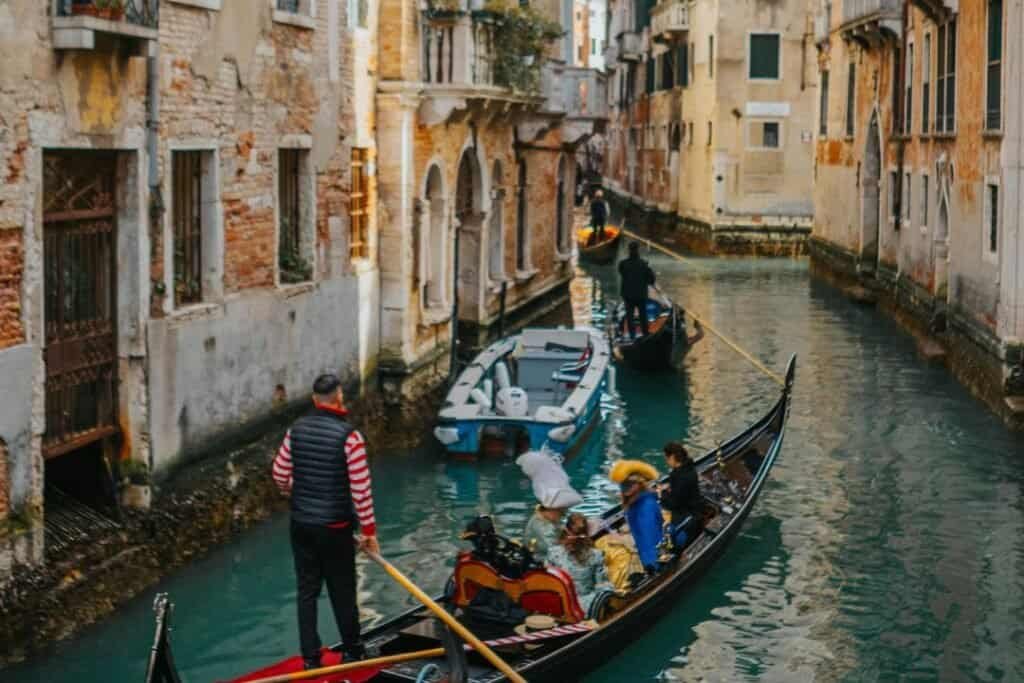
Venice is one of those places that everyone should see at least once. It’s a city that often feels too beautiful to be real, with canals instead of roads, gondolas gliding under stone bridges, and centuries-old palaces rising straight out of the water. As one of the most unique places to travel in Italy, Venice offers a glimpse into the country’s history, art, and craftsmanship unlike anywhere else.
Start your visit at St. Mark’s Square (Piazza San Marco), home to the Basilica di San Marco and the Doge’s Palace, both essential stops for understanding Venice’s power and wealth during the Renaissance. From there, wander through the narrow lanes of Dorsoduro and Cannaregio, neighborhoods where the city feels more local and less crowded. The Rialto Market is perfect for tasting local produce and seafood, while Murano and Burano, two nearby islands, are worth a short ferry ride to see glassblowing workshops and brightly painted houses.
Venice can be expensive, especially around the main sights, but it doesn’t have to be. Stay in a guesthouse or hostel in Mestre (just across the bridge) to save money, with dorm beds around $30 USD and mid-range hotels starting from $100 USD. Public transport is by boat; the vaporetto system runs efficiently between the islands, and day passes cost about $25 USD. Despite the crowds, Venice remains one of Italy’s most romantic and atmospheric cities.
Practical Travel Tips
Best time to visit: April–June and September–October have warm weather without peak crowds.
Getting around: Italy’s train network is fast and scenic. Book tickets in advance for popular routes like Florence–Rome or Milan–Venice.
Budget: Backpackers can expect $50–70 a day; mid-range travelers around $120–150; luxury travelers $300+.
Enjoyed our Italy Guide? Read more
The Barefoot Backpackers’ India Travel Guide
The Ultimate One Week in Greece Itinerary
Backpacking Mexico Travel Guide