


Saunas have been used for centuries across cultures as a tool for relaxation, cleansing, and recovery. Today, modern research explores what sauna use does for the body and why it remains a trusted wellness practice. From heat exposure triggering deep relaxation to supporting recovery and mental reset, the benefits go well beyond just feeling good.
This guide explains what a sauna does, how it compares to steam rooms, cold plunges, and hot tubs, and how to use sauna sessions safely for long-term wellness.

This blog is supported by the community. We may earn a small commission if you purchase through our links. As an Amazon Associate, we earn from qualifying purchases. See our Privacy Policy.
What Does a Sauna Do to the Body?
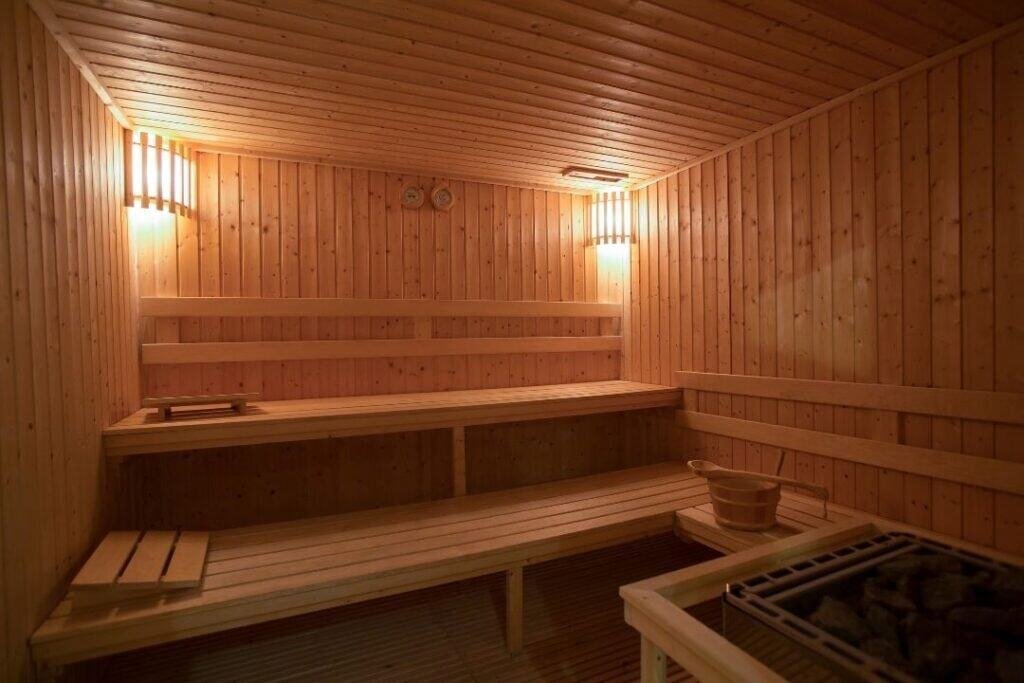
A sauna exposes the body to dry or humid heat, raising skin temperature and encouraging heavy sweating. This triggers natural recovery mechanisms, promotes deep relaxation, and supports the body’s cleansing pathways through perspiration.
Traditional saunas use dry heat, steam rooms rely on moist heat, and infrared saunas warm the body more gently from within. While each approach differs, they all create a physiological response that the body adapts to over time.
7 Benefits of Sauna Use
1. Supports Muscle Recovery and Joint Relief
Saunas are a go-to after workouts or activity to relax tight muscles and ease stiffness. The heat helps loosen tissues, reduce soreness, and promote better blood flow to stressed areas.
This makes saunas a popular recovery tool. Many people feel looser and more mobile after sessions.
2. Encourages Detox Through Sweating
Sweating is one of the body’s natural ways to eliminate certain waste products. Sauna heat drives deep, profuse sweating, which can help the body release some toxins like heavy metals that appear in sweat. This process supports natural cleansing and can benefit skin health too.
3. Reduces Stress and Supports Mental Well Being
Once your body adapts to the heat, it shifts toward parasympathetic rest-and-digest mode. This promotes deep relaxation and lowers stress levels.
Many people use sauna time as a mental reset, quiet, warm, and still, much like moving meditation. Regular sessions often lead to better mood and emotional balance.
4. Improves Sleep Quality
An evening sauna can help wind down the body. As your core temperature rises then drops afterward, it mimics the natural cooling that signals sleep time. This shift often leads to deeper, more restful nights.
5. Provides Pain Relief and Relaxation
The penetrating heat is great for easing chronic aches, joint discomfort, or muscle tension. It helps reduce stiffness and promotes a sense of overall calm.
People with back pain, soreness, or mild inflammatory issues often find relief and more flexibility after consistent use.
6. May Support Weight Management Indirectly
Saunas do not directly burn fat, but many wonder about weight loss. You do lose temporary water weight through sweating.
The bigger perks come from better recovery, lower stress, and improved sleep. All of these support a healthy metabolism and positive lifestyle habits.
7. Boosts Overall Recovery and Resilience
Regular sessions help the body adapt to heat stress, building tolerance and aiding post-activity bounce-back.
Combined with good hydration and listening to your body, this makes saunas a solid addition to any wellness routine.
Sauna Comparisons and How to Use Them
Understanding how saunas compare to steam rooms, cold plunges, hot tubs, and infrared heat helps you choose the best approach for your goals. Each option affects the body differently, and how you combine them can shape your overall experience.
Sauna vs Steam Room: Which Is Better?
It comes down to personal preference and heat tolerance. Dry heat in saunas feels crisp and allows longer sessions for some people. Moist steam rooms create a humid environment that can feel gentler on breathing and airways.
Both offer relaxation and circulation benefits, but comfort often determines which is easier to use consistently.
Sauna vs Infrared Sauna
Traditional saunas heat the air around you, while infrared saunas heat the body directly. Infrared sessions often feel milder but still produce a deep sweat.
Both options support relaxation and recovery. The better choice depends on how much heat you enjoy and how long you prefer to stay inside.
Sauna and Cold Plunge: How to Combine Them
Alternating heat and cold enhances contrast therapy effects. This approach supports recovery, nervous system balance, and mental clarity.
Most people begin with the sauna and finish with a cold plunge, but individual preference matters. Pay attention to how your body responds.
Sauna vs Steam Shower and Hot Tub
Steam showers are highly humid and typically used for shorter sessions. Hot tubs can help with muscle relaxation. Using the sauna first often works well to prepare the body before water immersion.

How Long Should You Stay in a Sauna?
Most sauna sessions last between 10 and 20 minutes, depending on experience level and heat intensity. Beginners should start with shorter sessions and build gradually.
Staying hydrated and exiting if you feel unwell are essential for safe use.
Are Saunas Good for You?
When used mindfully, saunas are safe and supportive for most healthy individuals. They are especially helpful for recovery, stress relief, sleep quality, and overall relaxation. Consistency matters more than intensity.
Final Thoughts on What a Sauna Does
Sauna sessions offer benefits that extend beyond simple relaxation. From muscle and joint relief to improved sleep, stress reduction, and natural detox support, they provide practical value.
Understanding how saunas compare to steam rooms, cold plunges, and hot tubs helps you choose what fits best into your routine.