

Wool continues to be one of the most reliable natural materials for everyday wear, travel, and outdoor use. This wool guide explains how wool works, its real-world benefits, and why it continues to outperform many synthetic fabrics in everyday and travel use. Long before technical synthetics became common, wool was already handling temperature changes, moisture, and repeated use in demanding conditions. That reliability still matters today, especially for people who live out of a backpack or spend long days moving between climates. Wool earns its place through performance, not trends.
Modern wool clothing looks very different from the heavy or itchy garments many people remember. Better processing and finer fibers have made wool softer, lighter, and more versatile. It now appears in socks, base layers, and travel clothing designed for comfort across long days. Compared to synthetic fabrics, wool offers a more balanced feel against the skin and performs well without constant washing.
Understanding how wool works helps make better choices when building a functional wardrobe. This guide breaks down what wool is, how it performs, and when it makes sense to choose it over other fabrics. It also explains the differences between wool types like merino wool vs wool.
This blog is supported by the community. We may earn a small commission if you purchase through our links. As an Amazon Associate, we earn from qualifying purchases. See our Privacy Policy.
What Is Wool and How It Works
Where Wool Comes From and How It Is Processed
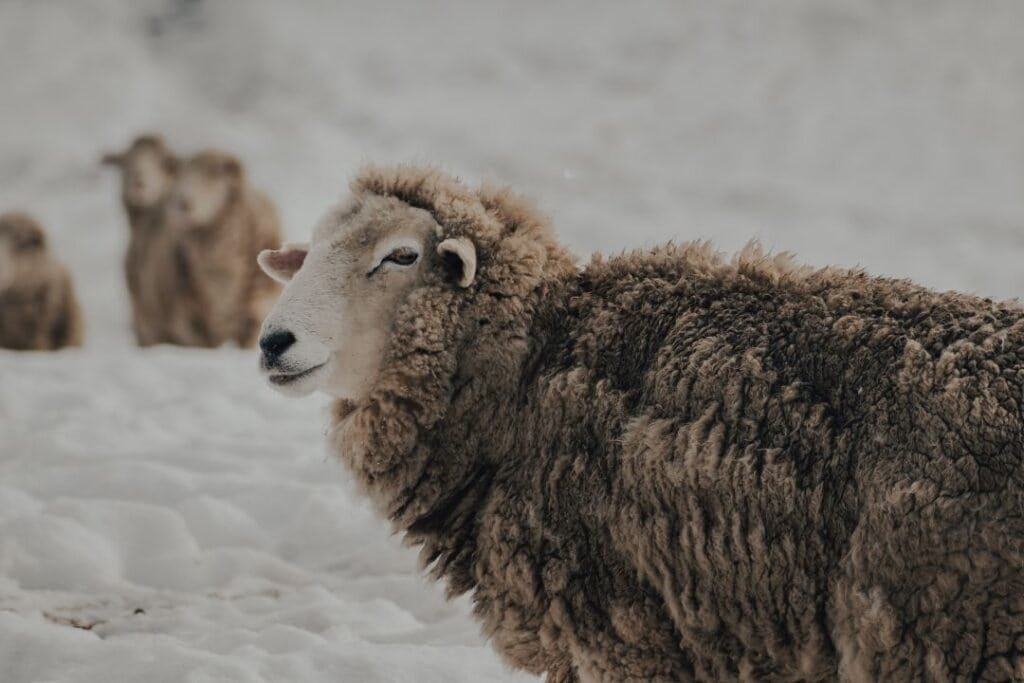
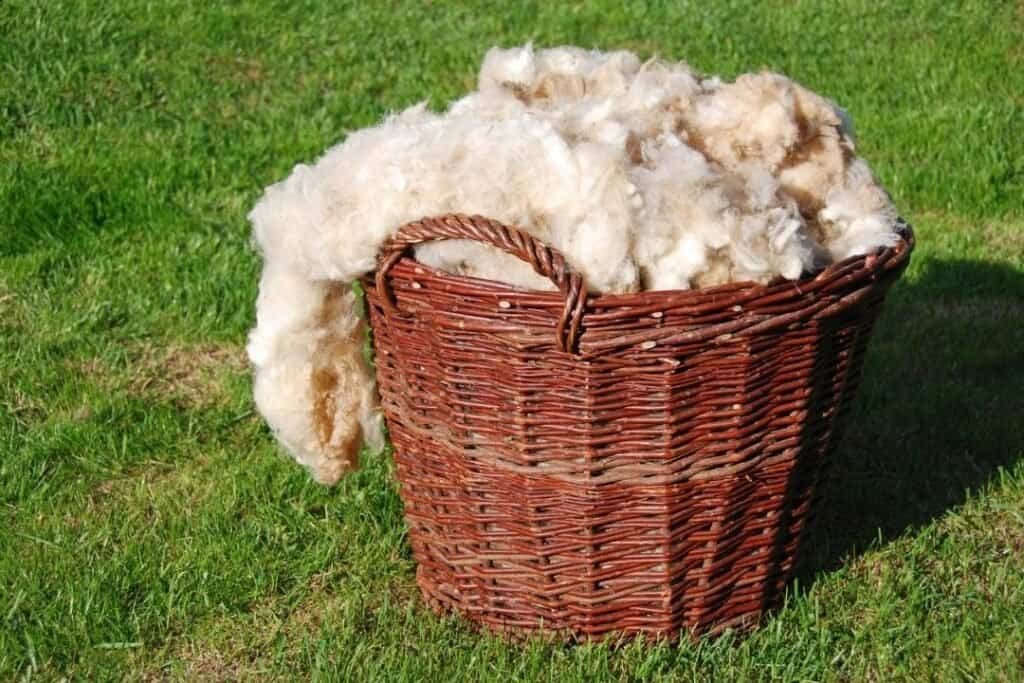
Wool is a natural fiber shorn from sheep and other animals such as goats. After shearing, the fiber is cleaned to remove dirt and oils, then spun into yarn. The way wool is processed plays a major role in softness, durability, and overall comfort. Higher quality processing preserves the fiber structure and improves wear over time.
Not all wool is handled the same way, which explains why experiences with wool vary widely. Rough handling or low quality spinning can lead to stiffness or irritation. Careful processing produces smoother yarns that feel better against the skin. This is especially important for clothing worn directly on the body.
The Natural Structure of Wool Fibers
Wool fibers have a natural crimp that creates tiny air pockets throughout the fabric. These pockets help regulate temperature by trapping warmth when it is cold and releasing heat when it is warm. This structure also gives wool its natural elasticity, allowing it to stretch and recover without losing shape. The result is clothing that moves comfortably with the body.
Unlike synthetic fibers that are smooth and straight, wool’s irregular shape improves breathability. Moisture vapor can escape instead of building up against the skin. This helps reduce that clammy feeling common with many synthetic fabrics. Over long wear periods, this difference becomes noticeable.
Key Benefits of Wool for Everyday and Travel Use
Temperature Regulation in Changing Conditions
Wool adapts well to temperature shifts, which makes it useful for travel and outdoor activity. It provides insulation in cool weather while still allowing heat to escape during movement. This balance reduces the need to constantly add or remove layers. It is especially helpful when moving between indoor and outdoor environments.
Unlike cotton, wool continues to insulate even when it becomes damp. This makes it more forgiving in unpredictable weather or during long days on foot. The fabric works with the body rather than trapping heat. Comfort stays more consistent across conditions.
Moisture Management and Odor Resistance
Wool can absorb moisture vapor without feeling wet, pulling sweat away from the skin. This helps keep feet and base layers feeling drier over time. Moisture moves through the fiber rather than sitting on the surface. That process supports comfort during extended wear.
Wool also resists odor naturally due to its structure and ability to manage moisture. Bacteria that cause odor have a harder time building up. This is useful for travel when washing opportunities are limited. Fewer washes also help clothing last longer.
Comfort, Softness, and Skin Feel
Comfort depends heavily on fiber thickness and quality. Finer wool fibers bend more easily, which reduces irritation against the skin. This is why modern wool feels far softer than older garments. The difference becomes clear when worn for long periods.
Well made wool adapts to body movement without feeling restrictive. It stretches gently and returns to shape. For socks and base layers, this reduces pressure points. Comfort remains steady throughout the day.
Wool vs Synthetic Fabrics
Wool vs Polyester in Real World Use
Polyester is often chosen for durability and quick drying, but it tends to trap heat and odor. Wool breathes more naturally, which improves comfort during long wear. Over time, synthetic fabrics can feel stale even when clean. Wool maintains a fresher feel.
Static buildup and overheating are also more common with synthetics. Wool avoids these issues through its natural fiber structure. For travel and daily wear, this creates a more balanced experience. The difference becomes more noticeable with repeated use.
Wool vs Cotton for Active and Daily Wear
Cotton feels comfortable when dry but absorbs moisture quickly and dries slowly. Once wet, it tends to cling to the skin and lose insulation. Wool manages moisture more effectively and continues to regulate temperature. This makes it better suited for active use.
That said, cotton still works well in dry, warm conditions or casual settings. Each fabric has a place depending on use. Understanding these differences helps avoid discomfort. Choosing based on conditions matters more than loyalty to one material.
Types of Wool and How Different Weaves Affect Performance
Merino Wool and Fine Wool Fibers
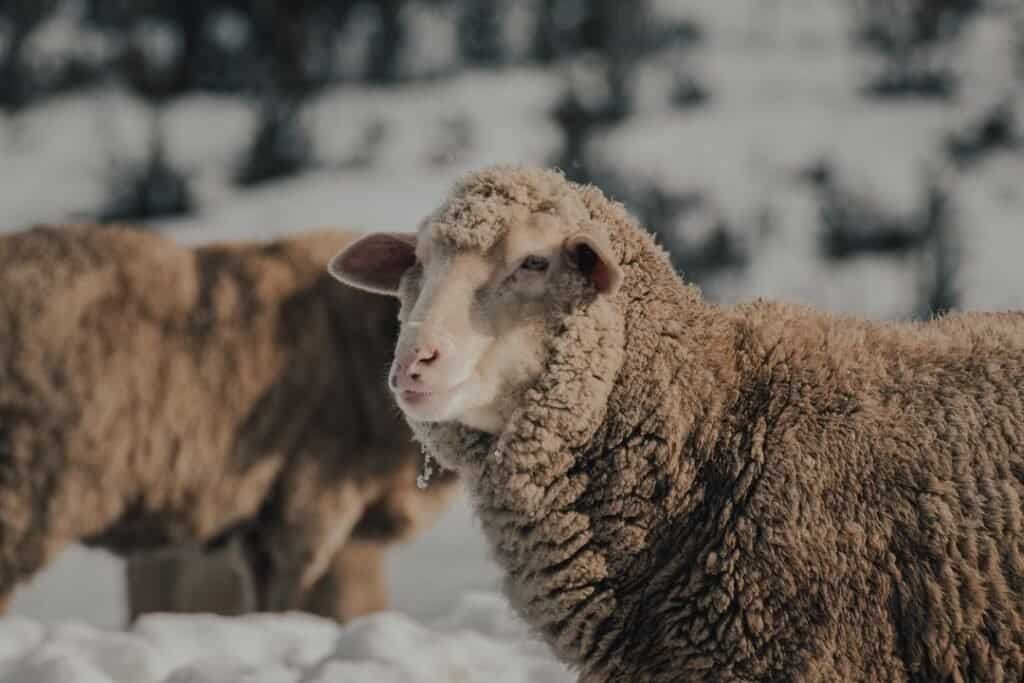
Merino wool comes from merino sheep and is known for its fine fiber diameter. These thinner fibers bend easily against the skin, which reduces irritation and makes merino suitable for next to skin clothing. It is commonly used in socks, base layers, underwear, and lightweight shirts because it balances softness with durability. For travel and everyday wear, merino offers consistent comfort across long days.
Merino also regulates temperature and manages moisture better than many other fibers. This makes it a popular choice for merino wool socks and base layers where sweat control matters. Because it resists odor naturally, it supports wearing garments multiple times between washes. This is especially helpful when packing light.
Cashmere Wool and Ultra Fine Fibers
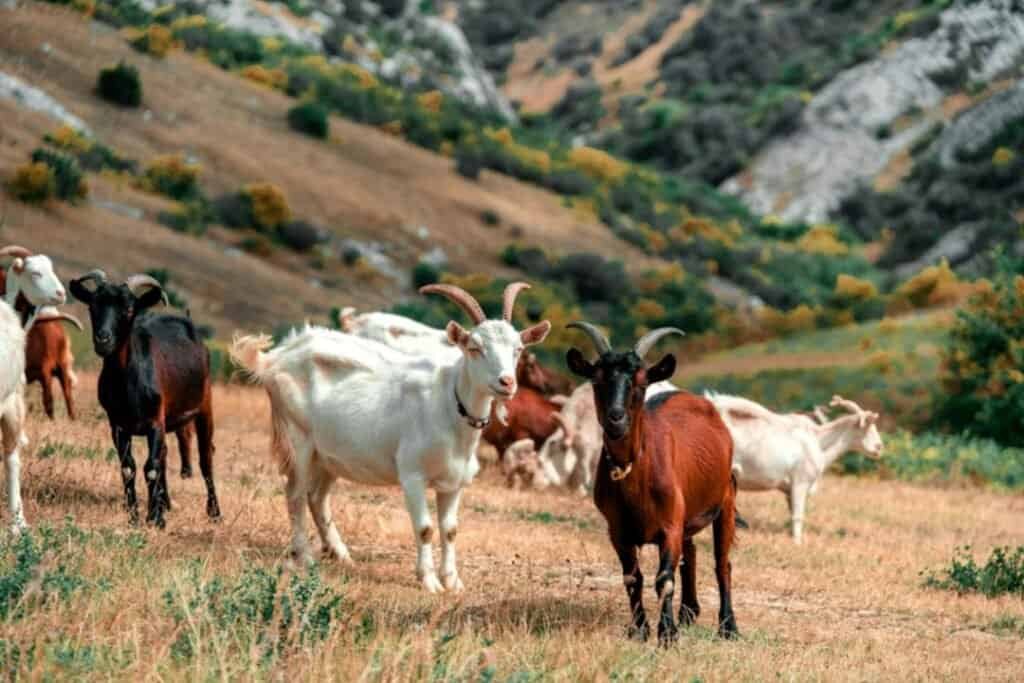
Cashmere comes from the undercoat of cashmere goats and has an even finer fiber structure than merino. This creates a softer and lighter feel that works well for warmth without bulk. Cashmere is often used in sweaters, scarves, and cold weather layers designed for comfort rather than high abrasion use. It feels warm quickly but remains breathable when worn indoors.
Because cashmere fibers are delicate, they benefit from tighter knit designs and careful care. Products like cashmere wool garments are best suited for low impact use rather than rugged travel. When used appropriately, cashmere provides excellent insulation with a refined feel. It works well as a mid layer or comfort layer during colder months.
Alpaca Wool and Durable Insulation
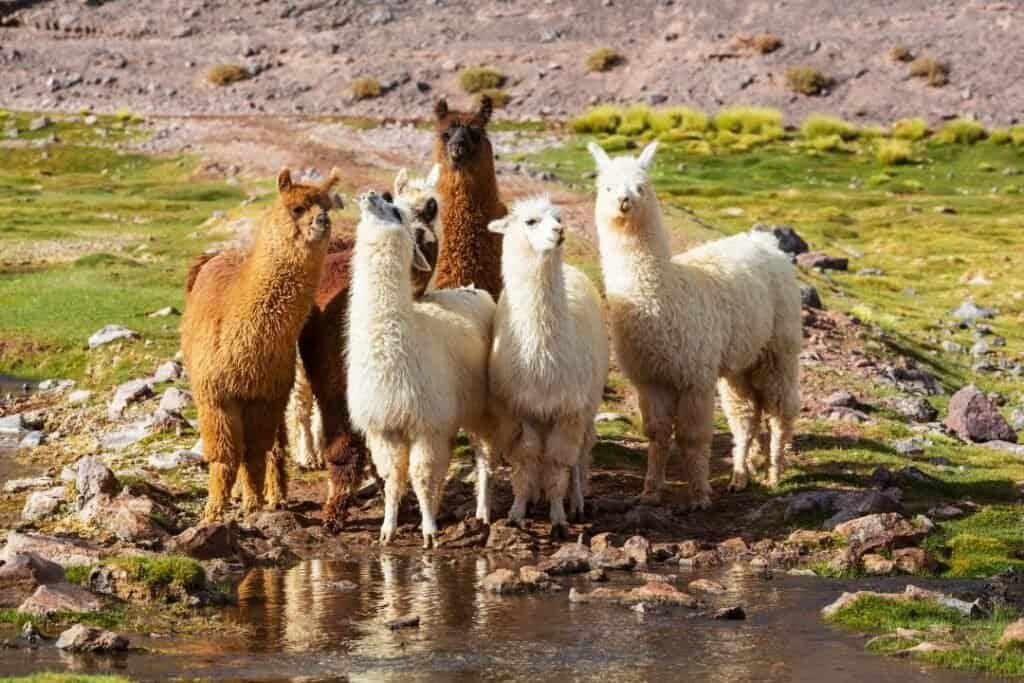
Alpaca wool comes from alpacas and has a smooth fiber structure with very little lanolin. This makes it naturally hypoallergenic for many people. Alpaca fibers trap air efficiently, which provides warmth without excessive weight. The fiber is also more resistant to compression compared to some sheep wool.
Alpaca wool is often used in outer layers, scarves, blankets, and cold weather accessories. Articles focused on alpaca wool often highlight its warmth and durability. While it may not always be used for tight fitting base layers, it performs well in insulating pieces where softness and warmth are priorities. Alpaca also resists odor and moisture effectively.
Understanding Wool Weaving and Knit Designs
The way wool is woven or knitted has a major impact on how it performs. Knit structures allow more stretch and airflow, which makes them ideal for socks, base layers, and everyday clothing. Tighter knits increase durability and help garments hold their shape over time. Looser knits improve breathability but may wear faster.
Woven wool fabrics are typically used for blankets, outer layers, and structured garments. These designs limit stretch but increase wind resistance and insulation. Items like wool blankets benefit from dense weaving that traps warmth. Choosing the right weave matters as much as choosing the right type of wool.
Common Myths About Wool
Does Wool Itch?
Wool itching usually comes from thick or poorly processed fibers. Fine wool bends against the skin instead of poking it. This greatly reduces irritation. Not all wool feels the same.
Sensitivity varies from person to person. Trying finer wool or blends can help. Proper fit and layering also make a difference. Modern wool is far more wearable than its reputation suggests.
Is Wool Hard to Care For?
Many wool garments can now be machine washed on gentle cycles. Air drying helps maintain shape and fiber integrity. Wool requires less frequent washing than synthetics. This balances out the extra care.
Over time, fewer washes reduce wear. Wool often outlasts synthetic clothing. Caring for it properly extends its usefulness. The effort pays off in longevity.
Is Wool Sustainable and Ethical?
Environmental Impact of Wool
Wool is a renewable fiber that biodegrades at the end of its life. This sets it apart from synthetic fabrics that shed microplastics. Durability also reduces replacement frequency. Longevity supports lower overall consumption.
Environmental impact depends on farming and processing practices. Responsible production matters. Choosing quality over quantity reduces waste. Wool fits well into mindful consumption.
Animal Welfare and Responsible Sourcing
Ethical wool production focuses on animal health and proper land management. Certifications like Woolmark help guide responsible sourcing. Transparency is important for trust. Not all wool meets the same standards.
Being informed allows better choices. Supporting ethical producers encourages better practices. Balanced awareness avoids extremes. Practical decisions make the biggest difference.
Best Uses for Wool Clothing
Wool for Socks and Footwear
Wool socks are a travel essential because they manage moisture and reduce friction during long days of walking, helping to prevent blisters and discomfort. They stay comfortable across changing conditions, whether you are hiking in the mountains or exploring urban streets. Many travelers rely on wool socks daily for their superior performance and natural temperature regulation. Explore our full guide to merino wool socks to find the best options.
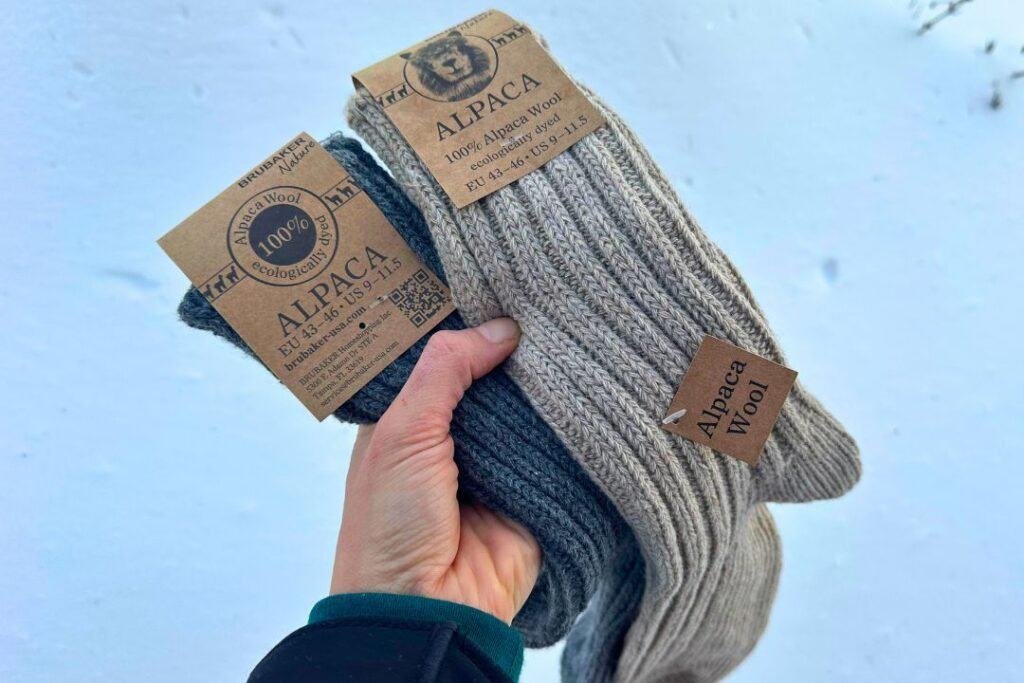
Durability, odor resistance, and easy care make wool socks practical for repeat wear, while their natural breathability performs well in both cool and warm climates. For layering or casual wear, check out our cashmere socks and alpaca wool socks for added softness and luxury.
Wool for Base Layers and Travel Clothing
Wool base layers are perfect for regulating temperature without adding bulk. They can be worn under jackets or alone for warmth and comfort, staying consistent across an entire day of travel or outdoor activity. This versatility allows travelers to pack fewer pieces while maintaining comfort in varied climates. Discover our range of merino wool base layers for both men and women.
For travel, efficiency matters. Wool adapts well to different conditions, making it a reliable choice for backpacks, long treks, or city adventures. Its natural breathability and odor control help reduce washing needs, while materials like cashmere or alpaca wool elevate comfort and warmth for colder climates. Pair your layers with wool blankets for cozy nights and versatile travel use.
Wool for Outerwear and Accessories
Beyond socks and base layers, wool shines in outerwear, hats, gloves, and scarves. Wool coats, jackets, and cardigans provide natural insulation, while wool accessories like wool beanies, wool gloves, and wool scarves add warmth without bulk. Alpaca and cashmere options are softer and lighter, perfect for layering under outerwear or wearing directly against the skin.

Choosing Wool With Intention
Wool remains a dependable material for everyday and travel use. Its performance comes from structure and quality rather than marketing. Choosing well made wool supports comfort and longevity. It rewards thoughtful use.
Understanding when and why to use wool makes the difference. It fits naturally into a conscious wardrobe. Practical benefits speak for themselves. In the long run, fewer better pieces matter most.
FAQs About Wool
Is wool good for everyday wear?
Yes, especially finer wool like merino. It stays comfortable across long days and changing conditions.
Does wool work in warm weather?
Wool regulates temperature and can feel comfortable in moderate warmth. In extreme heat, lighter fabrics may be better.
How long does wool clothing last?
With proper care, wool garments often outlast synthetic options due to their natural resilience.
Is merino wool worth it?
For comfort, odor control, and versatility, many people find merino worth the investment.