

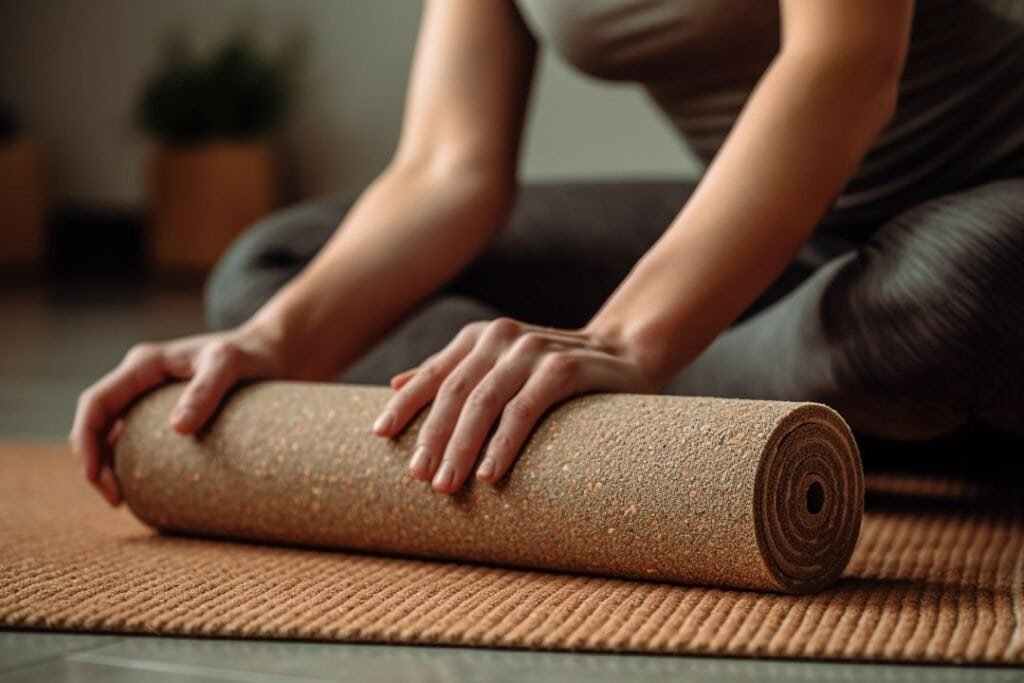
Cork yoga mats give you reliable grip that improves with sweat and a surface that stays clean and odor-free without harsh chemicals. Practitioners who value natural materials and sustainable production choose cork because it performs well in regular sessions and hot yoga. If you are building a mindful practice, the right cork yoga mat supports steady postures and easy transitions. Explore more gear options in our full guide to yoga equipment for conscious living.
Natural cork comes from tree bark that regenerates after harvesting, and most quality mats pair it with either natural rubber or TPE for cushion and stability. The material resists moisture, wipes clean quickly, and avoids the plastic smell common in synthetic mats. These qualities make cork a practical choice for daily home practice or studio classes. Pair your mat with one of our recommended travel yoga mats if you practice on the go.
We focused on mats that offer real grip, lasting durability, and honest eco-friendly construction. Each selection uses substantial cork thickness, avoids toxic glues, and provides enough cushion for joints without losing ground connection. This approach keeps choices straightforward and aligned with conscious values. A good yoga mat bag will protect your cork mat and make carrying it even easier.
This blog is supported by the community. We may earn a small commission if you purchase through our links. As an Amazon Associate, we earn from qualifying purchases. See our Privacy Policy.
The Best Cork Yoga Mats at a Glance
- Best Value: Gaiam Cork Yoga Mat
- Best with Alignment Lines: Y O Gayo Premium Cork Yoga Mat
- Best Extra Large: Body By Yoga Luxury Cork Yoga Mat
- Best Extra Thick Cushion: StrongTek Eco-Friendly Cork Yoga Mat
- Best for Stability: Satori Concept Cork Yoga Mat
Best Cork Yoga Mats

This mat delivers consistent grip that improves with light moisture for secure poses. The cork top resists odors and stays clean during sessions. Cushioning supports joints without compromising stability. Practitioners find it versatile for various yoga styles and floor workouts. The TPE bottom prevents shifting on floors.
Key Specs:
Material: Natural cork top, TPE bottom
Weight: 2 pounds
Fit or Size: 68 x 24 inches
Best Use: All types of yoga, Pilates, floor exercises
Notable Feature: Sweat and odor-resistant cork
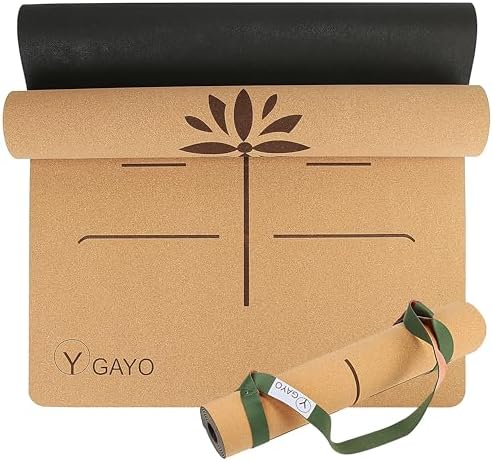
The larger surface provides room for full movements and transitions. Alignment lines assist in maintaining proper form during practice. Cork offers reliable traction that holds through flows. The natural rubber base adds density for flat placement. Users benefit from its stable structure in different settings.
Key Specs:
Material: Cork, natural tree rubber base
Weight: 3.79 kilograms
Fit or Size: 72 x 26 inches
Best Use: Various yoga styles
Notable Feature: Alignment lines for guidance
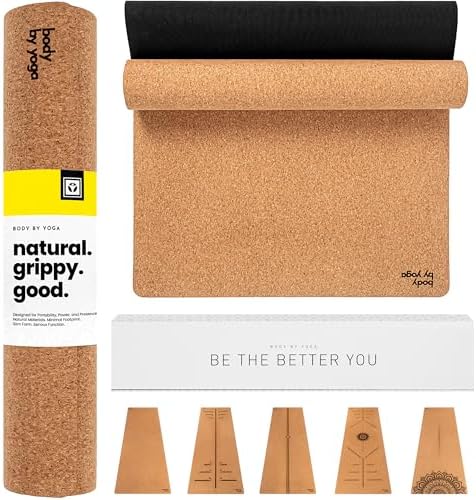
Extra length and width accommodate taller users or wider stances comfortably. Thick cork layer enhances durability and padding. Grip strengthens in sweaty conditions for intense sessions. The natural rubber bottom ensures it stays flat. This size suits those needing more space.
Key Specs:
Material: Premium Portuguese cork, natural rubber
Weight: Approximately 4.47 kilograms
Fit or Size: 80 x 26 inches
Best Use: Hot yoga, general practice
Notable Feature: Extra thick grip with premium cork
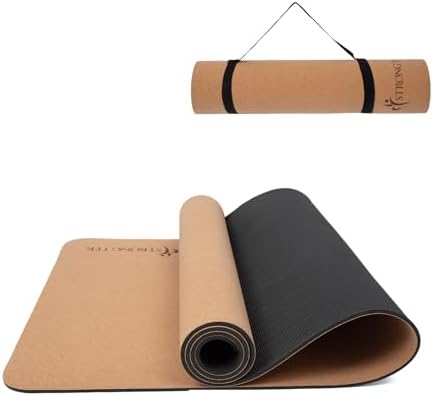
Thicker construction absorbs impact for knee and elbow protection. Lightweight design makes transport straightforward with the included strap. Cork surface provides natural traction that increases with sweat. It remains in place on multiple floor types. The mat supports daily home fitness routines.
Key Specs:
Material: Cork, TPE
Weight: 2.2 pounds
Fit or Size: 72 x 24 inches
Best Use: Hot yoga, Pilates, home fitness
Notable Feature: 7mm thickness for cushioning

Natural rubber base combined with cork creates firm support for balances. Extra size options offer freedom in movement. Grip performs well in heated or sweaty environments. The mat resists toxins and maintains freshness. It rolls out evenly for consistent use.
Key Specs:
Material: Cork, natural rubber base
Weight: 5.5 pounds
Fit or Size: 80 x 26 inches
Best Use: Yoga, Pilates, fitness
Notable Feature: Superior cushion and grip
How to Choose the Right Cork Yoga Mat
Understand Cork vs Other Materials
Cork provides natural antimicrobial properties and grip that improves when wet, unlike PVC mats that can become slippery. It does not absorb sweat or odors, so the surface stays fresh longer than foam or rubber alternatives. Most cork mats use either natural rubber or TPE for the base layer; natural rubber lasts longer and feels more stable, while TPE keeps weight down. Choosing cork means accepting slightly higher weight for better hygiene and sustainability.
Practitioners who sweat heavily notice the biggest difference in hot yoga settings. Cork eliminates the need for a towel over the mat, reducing laundry and setup time. The material also avoids synthetic smells common in new plastic mats. Overall, cork offers a clean, low-maintenance option for regular use.
Thickness and Cushion Level Matters
Thickness between 5mm and 7mm gives the best balance for most people. Thinner mats (3-4mm) provide strong floor feedback for balance poses but less joint protection. Thicker options (6-7mm) cushion knees and wrists well while still feeling firm enough for standing sequences. Extra thick mats can feel spongy and affect stability in one-legged poses.
Test how much cushion you actually need by considering your body and practice style. If you have sensitive knees or practice restorative yoga often, lean toward 6mm or more. For dynamic flows and balance work, 5mm usually feels more connected. The goal is support without losing awareness of alignment.
Grip Performance in Real Practice
True cork grip activates with light moisture, so dry hands may slip slightly at first. A quick spray of water or a few sun salutations solves this completely. Quality cork tends to outperform thinner or mixed cork blends in both dry and wet conditions. Avoid mats with very thin cork layers marketed as “cork finish” – they lose grip faster over time.
Look for honest thickness claims and natural rubber bases for the most reliable non-slip experience. Mats that stay flat without curling edges also improve safety during transitions. Good grip reduces mental distraction and lets you focus on breath and movement instead of slipping.
Size Considerations for Your Body and Space
Standard mats measure 68-72 inches long, but extra-long 78-80 inch versions prevent tall practitioners feet from being off in savasana. Wider mats (26-30 inches) give room for arm extensions and create buffer space in group classes. Measure your wingspan and height if you often feel restricted on regular mats. Larger sizes add weight yet improve comfort noticeably.
Home practitioners with dedicated space can choose bigger mats freely. Studio-goers may prefer standard or lightweight options for easier carrying. Having the right dimensions removes small annoyances and supports deeper practice over years.
FAQs: Cork Yoga Mats
What is the healthiest material for a yoga mat?
Natural materials like cork, natural rubber, and organic cotton are the healthiest options. They are non-toxic and free from PVC and harsh chemicals.
Are cork yoga mats safe?
Yes. Cork yoga mats are safe, naturally antimicrobial, and do not release harmful fumes.
How do I clean a cork yoga mat?
Wipe with water or a mild soap solution after practice. Air dry completely. Avoid machine washing or submerging.
Are cork yoga blocks better than foam?
Cork blocks are firmer and more stable, while foam blocks are lighter and softer. The better choice depends on your support preference.
Are cork yoga mats grounding?
Cork mats feel grounding due to their natural texture and firmness, though they do not provide electrical grounding.