

Alpaca wool socks provide reliable warmth using natural fibers that feel comfortable through daily wear and are extra cozy for cold weather. The insulation is more efficient than standard wool, helping feet stay warm without feeling bulky or overheated. Many people choose alpaca when looking for high quality socks as they work well for everyday use, light hiking, or cooler evenings at home too. In this guide we will be looking at the best alpaca wool socks from 100% alpaca to blend with wool or merino wool.
What we love about alpaca socks feel soft from the first wear and are unlikely to cause itching. They manage moisture better than cotton and dry more quickly, helping keep feet comfortable throughout the day. Also, compared to traditional 100% wool socks, alpaca offers a smoother feel with less weight while still providing dependable warmth.
Alpaca fiber comes from animals raised in the Andes, where insulation and durability matter. The fibers are naturally hollow, allowing them to trap heat while moving moisture away from the skin. Most alpaca socks include small blends for better stretch and shape retention, often using merino. This guide includes both 100% pure socks as well as alpaca and merino wool sock blends. So with that in mind, let’s take a look our top picks.
This blog is supported by the community. We may earn a small commission if you purchase through our links. As an Amazon Associate, we earn from qualifying purchases. See our Privacy Policy.
At a Glance
- Best Overall: American Mammoth Alpaca Wool Socks
- Best low-cut: GoWith Alpaca Wool Low-Cut Ankle Socks
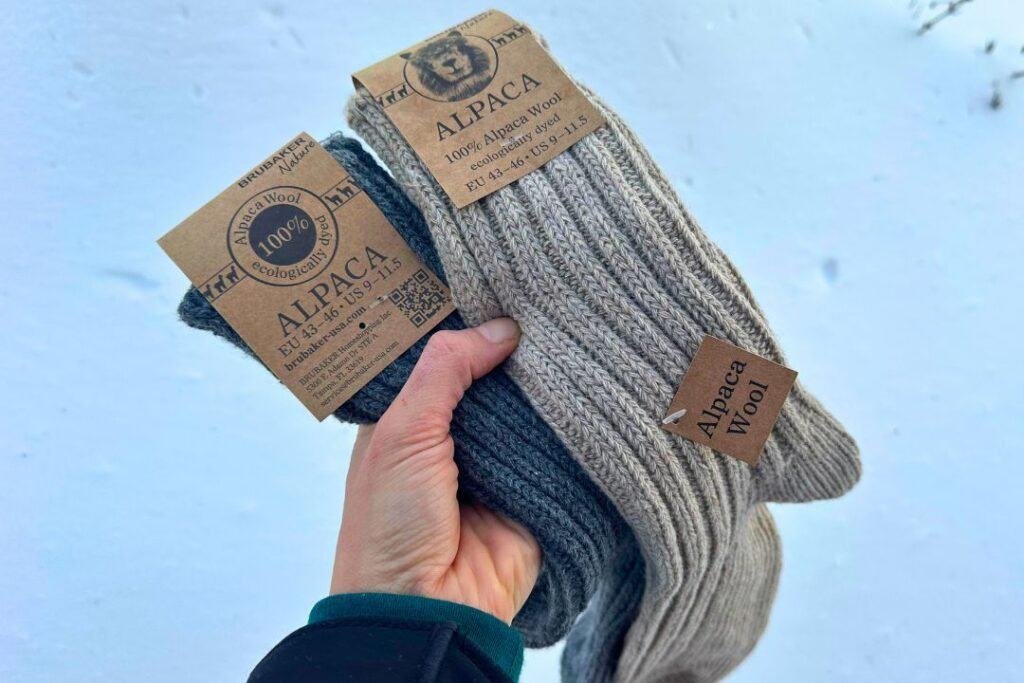
- Best 100% fine knit alpaca: BRUBAKER Alpaca Wool Fine Knit
- Best 100% warm knit: BRUBAKER Alpaca Wool Warm Socks
- Best 100% knee high pure alpaca: BRUBAKER Alpaca Knee High Socks
- Best Ankle Hiking Sock: Juclise Midweight Hiking Socks
- Best extra thick loose-fit: GoWith Extra Thick Loose-Fit Boot Socks
- Best cushioned baby alpaca: Juclise Baby Alpaca Cushion Crew Socks
Best Alpaca Wool Socks

These midweight outdoor socks blend alpaca and merino wool for dependable warmth, breathability, and durability. The hollow alpaca fibers naturally repel moisture while staying lightweight, making them ideal for hiking, hunting, or cold weather travel. Soft against the skin and resistant to odor, they perform well even after repeated wear.
Key Specs:
Material: 50% alpaca wool, 50% merino wool
Weight: midweight
Fit or Size: regular crew
Best Use: hiking, outdoor work, cold weather wear
Notable Feature: hydrophobic hollow fibers for warmth and moisture resistance

A high quality merino blend for low cut shoes or warmer days. Full thermal interior adds cushion without extra bulk. They work well for active use or casual sneakers.
Key Specs:
Material: 40% alpaca wool, 45% merino wool, polyamide, elastane
Weight: medium-thick
Fit or Size: low-cut ankle
Best Use: running shoes, daily errands, mild cold
Notable Feature: full terry cushion and anti-hole promise

Made from 100% alpaca wool with no synthetic fibers. Thin knit breathes well and fits easily inside regular shoes. Good choice if you want plastic-free socks that still keep feet comfortable.
Key Specs:
Material: 100% alpaca wool
Weight: light
Fit or Size: crew height, fine knit
Best Use: office, travel, mild winters
Notable Feature: hand-linked toe seams for zero pressure

Extra thick socks made from 100% alpaca wool. The dense knit provides strong insulation while remaining breathable, helping feet stay warm without sweating. Soft from first wear and naturally odor resistant, they work well for cold days, winter walks, or relaxing at home.
Key Specs:
Material: 100% alpaca wool
Weight: heavy
Fit or Size: regular crew height
Best Use: cold weather, winter wear, home use
Notable Feature: seamless hand-linked toe with no pressure points

Extra coverage in pure alpaca wool. Thick weave insulates well for very cold days or tall boots. Breathability prevents overheating during activity.
Key Specs:
Material: 100% alpaca wool
Weight: heavy
Fit or Size: knee high
Best Use: deep winter, tall boots, lounging
Notable Feature: naturally moisture-wicking and odor resistant
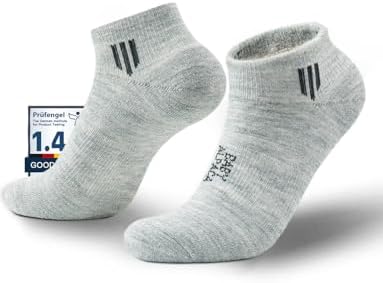
Designed for active use, these ankle socks use a high percentage of Peruvian baby alpaca yarn blended with merino and technical fibers. The result is a cushioned, breathable sock that wicks moisture efficiently and reduces friction to help prevent blisters. A strong option for warm weather hikes or long days on your feet.
Key Specs:
Material: 62% baby alpaca wool, 9% merino wool, nylon, spandex
Weight: midweight
Fit or Size: ankle height
Best Use: hiking, work, active outdoor use
Notable Feature: moisture wicking, anti blister construction

These crew socks mix 40% alpaca with 45% merino for balanced warmth and strength. The blend holds shape after many washes and feels soft right out of the package. Most wearers use them daily from fall through spring.
Key Specs:
Material: 40% alpaca wool, 45% merino wool, polyamide, elastane
Weight: medium
Fit or Size: regular crew height
Best Use: daily wear, cool weather walks, light hikes
Notable Feature: lifetime replacement guarantee

Designed for heavy boots or relaxed fit around the house. Very thick cushion and loose calf keep circulation easy. Great for people who swell slightly or just want maximum warmth.
Key Specs:
Material: 40% alpaca wool, 45% merino wool, polyamide, elastane
Weight: very heavy
Fit or Size: loose crew/boot height
Best Use: home lounging, heavy winter boots
Notable Feature: extra thick throughout foot and leg

These thick thermal crew socks focus on warmth and comfort in cold conditions. Made with baby alpaca wool, they provide excellent insulation without heaviness while remaining breathable and odor resistant. Reinforced toe construction adds protection where it matters most, making them well suited for winter hiking, hunting, or outdoor work.
Key Specs:
Material: 62% baby alpaca wool, 9% merino wool, nylon, spandex
Weight: thick thermal
Fit or Size: crew height, multiple sizes
Best Use: winter wear, cold weather outdoor activities
Notable Feature: reinforced thermo toe for extra warmth
How to Choose the Right Alpaca Wool Socks
Material Choices Affect Daily Use
Alpaca wool socks are available in pure and natural fiber blends, and both perform exceptionally well. 100% alpaca socks offer maximum softness, excellent insulation, and a pure option for those prioritizing natural materials. Alpaca fibers regulate temperature, resist odor, and stay comfortable across a wide range of conditions.
Many high-quality socks blend alpaca with merino wool, combining the strengths of both fibers. Merino adds resilience, elasticity, and durability while maintaining breathability and warmth. These blends hold their shape better over time and work especially well for daily wear, walking, and light hiking. Small amounts of nylon or elastane may be included for structure, but the performance still comes primarily from the natural fibers.
For noticeable warmth and softness, look for socks with 50% or more alpaca wool content. Higher percentages feel plusher and insulate better, while balanced blends offer long-term durability without sacrificing comfort.
When Weight and Thickness Matter
Sock weight should match both climate and activity level. Lightweight alpaca socks work well year-round in mild weather or indoors, providing warmth without overheating. Medium-weight styles suit cooler days, casual wear, and long hours on your feet. Heavy or extra-thick pairs excel in winter conditions, outdoor use, or when worn with roomier boots.
Cushioning also plays a role in comfort. Thicker socks absorb impact and reduce foot fatigue during long walks, while thinner options allow better airflow and freedom of movement during active days.
Care Tips That Extend Lifespan
Alpaca fibers are naturally durable when cared for properly. Turn socks inside out, wash on cold, and lay flat to dry to preserve softness and shape. Many alpaca socks are machine washable, but avoiding high heat helps maintain fiber integrity.
Rotating between two or three pairs allows the fibers to recover between wears. Air socks out after use rather than washing every time. With simple care, a quality pair of alpaca socks can stay comfortable and functional for three to five years or longer of regular wear.
FAQs: Alpaca Wool Socks
Do alpaca wool socks itch?
Very rarely. Alpaca fibers lack the scales that cause itch in regular wool. Most people find them softer than merino from the first wear.
Can you wear alpaca socks in summer?
Yes, especially thin 100% versions and merino wool blends. The hollow fiber moves heat and moisture away from skin better than cotton.
Are alpaca wool socks worth it?
Yes, alpaca wool socks are worth it for people who want warmth without bulk, better moisture control, and long lasting comfort. Alpaca fibers are hollow, which helps trap heat while remaining lightweight and breathable. They also resist odor naturally and feel softer than traditional wool, making them a strong option for hiking, travel, and everyday cold weather wear.
How do alpaca socks compare to merino?
Alpaca insulates better when wet and feels softer to many people. Merino fights odor slightly stronger. Both work well especially blended together.
What are the disadvantages of alpaca wool?
Alpaca wool can be more expensive than standard wool, especially when made with high quality fibers. Pure alpaca also has less natural elasticity, so many socks use small blends with merino or nylon to improve fit and durability. In very wet conditions, alpaca dries slower than synthetic fibers, though it still performs better than cotton.
Can alpaca socks go in the dryer?
It is best to air dry. High heat can cause shrinkage and damage the fibers over time. If a dryer is used, choose the lowest heat setting and remove them while slightly damp. Air drying flat helps alpaca socks maintain their shape, softness, and longevity.