
High quality socks protect your feet and stay comfortable all day. They handle moisture, temperature shifts, and daily wear better than basic pairs. People who prefer natural materials often choose options made from alpaca wool, merino wool, cotton, or linen.
Natural fibers breathe well and last longer with proper care. They reduce odor and feel softer against the skin. Simple, conscious choices start with socks that work reliably without constant replacement. Choosing wool socks, such as alpaca wool socks or merino are great warm and breathable option. Cotton is an excellent, affordable, natural fabric, and toe socks are great to encourage spreading toes. Toe splay is the natural spreading or separation of the toes, which is crucial for balance, stability, and proper foot function. At Barefoot Backpackers, we understand that foot health is important for your overall health, so don’t knock toe socks until you try them.
We selected these products because they come from brands that focus on real materials and practical performance. Each option supports a slower, more intentional approach to daily gear. You can learn more about other natural fabrics such as merino wool in more in our guide to merino wool Base layers.

The Best High Quality Socks at a Glance
Merino Wool Socks
Alpaca Wool Socks
Traditional Wool Socks
Cotton Socks
Linen Socks
Merino Wool Toe Socks
Merino Wool Socks

Merino.tech Merino Wool Hiking Crew Socks
Fine merino wool manages moisture and controls odor well. Reinforced heel and toe add longevity. Crew height works with most footwear.
- Material
- 51% wool, 36% polyester, 10% nylon, 3% spandex
- Weight
- Medium
- Fit
- Crew
- Best Use
- Hiking, daily wear
- Notable Feature
- Odor-resistant

Tough Land 97% Merino Wool Crew Socks
Nearly pure merino wool delivers serious insulation. Thick rib knit stays up in boots. Great for deep winter or long outdoor days.
- Material
- 97% Merino Wool
- Weight
- Heavy
- Fit
- Crew
- Best Use
- Cold hikes, work boots
- Notable Feature
- Maximum warmth

RTZAT 90% Merino Wool Ankle Socks
Lightweight merino blend breathes and wicks moisture fast. Perfect for running, gym, or warm-weather daily wear. Small spandex content keeps shape.
- Material
- 90% Merino, 8% Nylon, 2% Spandex
- Weight
- Light
- Fit
- Ankle
- Best Use
- Active daily, running
- Notable Feature
- Temperature regulating
Alpaca Wool Socks

GoWith Alpaca-Merino Blend Crew Socks
Low-cut performance fit with breathable mesh zones. 55% merino keeps feet fresh on runs. Seamless toe prevents irritation.
- Material
- 55% Merino, nylon blend
- Weight
- Light
- Fit
- Low ankle
- Best Use
- Running, training
- Notable Feature
- Virtually seamless toe

GoWith Alpaca Wool Low-Cut Ankle Socks
This balanced blend of 40% alpaca and 45% merino wool delivers reliable warmth and softness. Crew height works with boots or casual shoes. The socks stay comfortable wash after wash and include a lifetime replacement policy.
- Material
- 40% Alpaca Wool, 45% Merino Wool, 12% Polyamide, 3% Elastane
- Weight
- Medium
- Fit
- Regular crew
- Best Use
- Daily wear, cold weather
- Notable Feature
- Lifetime guarantee

BRUBAKER 100% Alpaca Wool Thin Knit
Pure alpaca wool breathes well and works year-round. The fine knit prevents overheating. Four neutral pairs make daily rotation easy.
- Material
- 100% Alpaca Wool
- Weight
- Light
- Fit
- Crew
- Best Use
- All-season daily wear
- Notable Feature
- Naturally hypoallergenic
Traditional Wool Socks

100% Irish Wool Socks
Heavyweight knit insulates well in cold conditions. Pure wool breathes and stays comfortable. Classic styling works year-round.
- Material
- 100% Wool
- Weight
- Heavy
- Fit
- Crew
- Best Use
- Winter daily, outdoor work
- Notable Feature
- Traditional construction

YUN 100% Pure Wool Cream Crew
Classic lambswool construction stays soft and breathable. Seamless toe prevents irritation. Three-pair pack offers practical value for everyday use.
- Material
- 100% Lambswool
- Weight
- Medium
- Fit
- Mid-calf crew
- Best Use
- Daily wear, light activity
- Notable Feature
- Completely itch-free
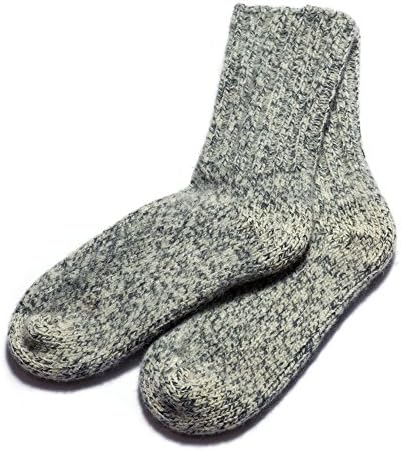
Dachstein 100% Extreme Warm Austrian Wool Sock
Boiled wool construction absorbs moisture while retaining warmth. Hand-finished in small Austrian batches. Naturally durable and long-lasting.
- Material
- 100% Organic Wool
- Weight
- Heavy
- Fit
- Crew
- Best Use
- Extreme cold
- Notable Feature
- Boiled wool insulation
Cotton Socks

GoWith 97% Cotton Crew Socks
Nearly pure cotton construction breathes well and feels soft against skin. Small amount of elastane keeps shape after many washes. Good value for daily rotation.
- Material
- 97% Cotton, 3% Elastane
- Weight
- Medium
- Fit
- Crew
- Best Use
- Warm-weather daily
- Notable Feature
- Chemical-free treatment

Ait fish 100% Cotton Crew Socks
Pure cotton gives simple, honest comfort. Medium thickness works year-round. Reinforced stitching at heel and toe adds longevity.
- Material
- 100% Cotton (except ribbing)
- Weight
- Medium
- Fit
- Crew
- Best Use
- Everyday casual
- Notable Feature
- No synthetic feel

100% Cotton Ankle Socks Plain White/Black
Thin, pure cotton stays cool and light. Seamless toe and low cut work with any casual shoe. Simple design with no logos.
- Material
- 100% Cotton
- Weight
- Light
- Fit
- Ankle
- Best Use
- Summer daily, light shoes
- Notable Feature
- Completely plain
Linen Socks

EliteLoom 100% Linen Women’s Socks
Flax linen stays cool and fresh. Thin knit slides easily into shoes. Naturally antibacterial and hypoallergenic.
- Material
- 100% linen
- Weight
- Very light
- Fit
- Crew
- Best Use
- Hot weather
- Notable Feature
- Hypoallergenic linen

All-Natural 100% Linen Socks
Undyed, unbleached linen keeps the purest feel. Reinforced toe and heel for everyday wear. Wide cuff sits comfortably.
- Material
- 100% Linen
- Weight
- Light
- Fit
- Crew
- Best Use
- Summer daily
- Notable Feature
- No dyes

Thin Breathable Organic Linen Socks
Organic linen grown without pesticides. Thin weave maximizes airflow. Three neutral pairs for easy rotation.
- Material
- 100% Organic Linen
- Weight
- Very light
- Fit
- Crew
- Best Use
- Hot climates, active days
- Notable Feature
- Pesticide-free cultivation
Merino Wool Toe Socks

Creepers Merino Wool Quarter Crew Toe Socks
Seamless toe sleeves and low-friction merino yarn. Anatomical fit stays put. Ideal for long trails or barefoot-style shoes.
- Material
- 50% Merino Wool blend
- Weight
- Light
- Fit
- Quarter crew
- Best Use
- Hiking, running
- Notable Feature
- Zero skin-on-skin rubbing
Cotton Toe Socks

VWELL Cotton Five-Finger Low Cut (4 Pairs)
High-cotton content with separated toes. Breathable and moisture-absorbing. Four-pair pack gives good value.
- Material
- 97% Cotton, 3% Spandex
- Weight
- Light
- Fit
- Low cut
- Best Use
- Warm weather, casual
- Notable Feature
- Affordable multi-pack
- Buy on Amazon

CaiDieNu Cotton Five-Finger Crew (5 Pairs)
Soft cotton with individual toe pockets. Reinforced heel and toe for durability. Five pairs in neutral colors.
- Material
- 80% Cotton, 20% Spandex
- Weight
- Medium
- Fit
- Crew
- Best Use
- Daily wear, light activity
- Notable Feature
- Stretchy toe sections

Women Toe Socks Cotton Low Cut (6 Pack)
Light cotton with separated toes. Breathable mesh zones keep feet cool. Six-pair pack in assorted colors.
- Material
- High-percentage Cotton
- Weight
- Light
- Fit
- Low cut
- Best Use
- Summer daily, running
- Notable Feature
- Color variety
Why Natural Fibers Matter for Everyday High Quality Socks
Alpaca and merino wool keep feet warm in winter and cool when active. They wick moisture and resist odor without chemicals. Cotton and linen excel in heat and stay soft against skin. All four reduce waste because they last seasons instead of months.
Choosing natural socks supports simpler routines. You wash less often, replace less often, and feel better all day. The small upfront cost pays off in comfort and durability.
How to Choose the Right High Quality Socks
Fit and Comfort
Good socks follow the natural shape of your foot without bunching or sliding. Crew height gives extra coverage in boots or taller shoes. Ankle and low-cut styles sit neatly under casual shoes or sneakers.
Separate-toe designs let each toe move on its own. This reduces rubbing and blisters for people who walk or run a lot. Most people do fine with regular socks, but toe socks feel more natural if you already wear barefoot or minimalist shoes.
Try the socks with the shoes you wear most. A gentle hug around the arch and heel keeps everything in place all day. Too tight restricts blood flow. Too loose creates hot spots.
Material Guide: Focus on Natural Fibers
Alpaca wool and merino wool are the best all-season choices for high quality socks. Both fibers breathe, wick moisture, and control odor without chemicals. They stay warm when wet and cool when you heat up.
Cotton and linen keep feet coolest in warm weather. Pure versions feel light and absorb sweat fast. They work especially well if you avoid synthetic blends and prefer the simplest fabrics.
Look for the highest natural-fiber percentage you can find. A small amount of elastane or nylon adds stretch and helps socks hold shape over years. Anything above 80 percent natural fiber still gives most of the benefits.
Avoid fully synthetic socks when possible. They trap heat, hold odor, and wear out faster. Natural materials cost a little more at first but save money and waste over time.

When Thickness and Weight Matter
Lightweight socks (under 100 g per pair) suit summer and active days. Thin linen or low-percentage cushion merino keep feet from overheating.
Medium weights handle daily life in changing seasons. Most alpaca and merino crew socks fall here. They layer well under any shoe.
Heavy socks belong in boots during real winter. Thick alpaca, boiled wool, or full-cushion merino give serious warmth without bulk.
Toe Socks and Barefoot Shoe Pairings
Separate-toe socks let your toes spread the way nature intended. They stop skin-on-skin friction and work especially well inside wide toe-box or barefoot shoes. Merino toe socks keep the temperature control while letting your feet stay grounded.
Cotton toe socks give the same toe freedom in warmer months. Pair them with minimalist sandals or thin-soled shoes for the lightest feel.
You do not need toe socks every day. Many people switch to them only for long walks, runs, or when blisters appear with regular socks.
Care Tips for Longevity
Wash natural-fiber socks inside out in cold water with gentle detergent. Skip fabric softener and bleach. They break down elastic and natural oils.
Air dry flat or on a line whenever possible. Heat from dryers shortens life, especially for wool and linen. Most pairs dry overnight indoors.
Rotate three to five pairs so each rests between wears. This cuts odor and lets fibers recover shape. Trim toenails regularly to prevent snags and holes, especially in toe socks.
Small holes can be darned with a needle and thread. A quick repair adds another year or two to a favorite pair.
FAQs: Natural Fiber High Quality Socks
Are alpaca socks warmer than merino?
Alpaca often feels warmer at the same weight and stays softer over time.
Do linen socks work in winter?
Thin linen works best in summer. Pair with wool for colder months.
Can toe socks prevent blisters?
Yes. Separate toes stop skin-on-skin rubbing on long walks or runs.