

Here is our guide to the best self-inflating sleeping mat for camping. Whether you are car camping, backpacking, or heading to a festival or backpacking, a good self-inflating mat can make a real difference in getting a quality night’s sleep. Just like backpacking sleeping bags, a good sleeping system for thru-hikes should be compact, lightweight, and comfortable. After a long day on the trail, it’s ideal to have something that sets up quickly and supports your body properly.
Let’s talk about materials and weight, as these are two of the main factors that shape how a self-inflating sleeping mat performs in real conditions. Most mats use a mix of foam cores and durable outer fabrics like nylon or polyester, with some adding reflective layers to improve warmth.
Lighter materials pack down smaller and are easier to carry, which suits backpacking and longer trips where every ounce matters. Heavier mats often use thicker fabrics and more foam, giving better durability and comfort, which works well for car camping or shorter outings where weight is less of a concern.
When it comes to a quality self-inflating mat, you are looking for one that offers insulation from the ground. When combined with a reliable shelter like one of the best tents for backpacking, it creates a sleep system that feels steady and dependable in changing conditions. The mats below were chosen for their balance of durability, comfort, and thoughtful design that helps backpackers stay lightweight. With that in mind, let’s get into it.

This blog is supported by the community. We may earn a small commission if you purchase through our links. As an Amazon Associate, we earn from qualifying purchases. See our Privacy Policy.
The Best Self-Inflating Sleeping Mat at a Glance
- Best Overall: NEMO Equipment Tensor All-Season Ultralight Insulated Sleeping Pad
- Best Budget Insulated: KLYMIT Insulated Static V Sleeping Pad
- Best for Cold Weather: Therm-a-Rest NeoAir XTherm NXT
- Best Entry-Level Sleeping Mat: Coleman Self-Inflating Sleeping Pad with Pillow
- Best Balance of Weight and Comfort: Therm-a-Rest Trail ProLite
- Best Ultralight Warm Weather: Sea to Summit Ultralight Air Mattress
- Best for Sizing Options: Big Agnes Rapide SL Insulated Sleeping Pad
- Best Eco Materials: Exped Ultra Series Sleeping Pad
- Best Foam Option: NEMO Equipment Switchback Foam Sleeping Pad
Best Self Inflating Sleeping Mat

This pad stands out for its balance between comfort and weight. The 3.5 inch loft gives it a stable feel, and the internal structure keeps it from feeling bouncy through the night. It is quiet when you move, which matters more than you think in a tent or shared space. The materials feel durable without adding unnecessary bulk.
The insulation system works well across different seasons, making it a reliable choice if you do not want to switch gear often. It packs down small enough for backpacking while still offering enough support for side sleepers. This is a solid all-around option for regular use.
Key Specs:
Material: nylon with aluminized film filling
Best Use: backpacking and multi-season camping
Notable Feature: thermal mirror insulation for high warmth-to-weight
Thickness: 3.5 inches
Weight: 590 grams

This pad offers a comfortable sleep surface without a high price point. The V-shaped chambers help keep your body centered while reducing air movement. It feels stable and supportive, especially for back sleepers.
The insulation performs well for cooler conditions, making it suitable for three to four season use. Inflation is quick and straightforward, and the materials hold up well over repeated trips. It is a practical option for travelers who want comfort without overthinking it.
Key Specs:
Material: 75D polyester
Best Use: budget backpacking and camping
Notable Feature: V-chamber design for support and stability
R-value: 4.4
Weight: 24 ounces, 1.5lbs
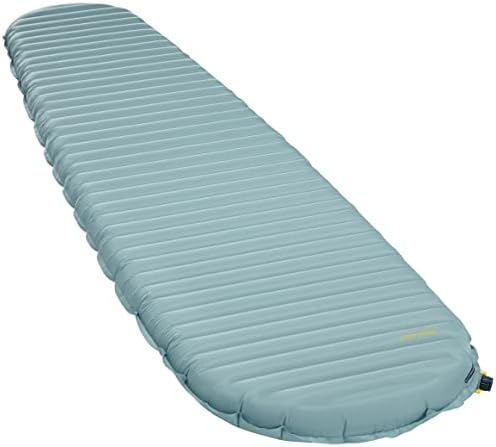
This pad is designed for serious cold conditions. It traps heat efficiently and maintains warmth even when temperatures drop significantly. The structure reduces heat loss while still keeping weight low.
It packs down small, which is useful for longer trips where space matters. The durability also stands out, especially for rougher terrain. This is a strong option if you expect colder nights regularly.
Key Specs:
Material: nylon and polyurethane
Best Use: extreme cold backpacking
Notable Feature: high R-value insulation system
Thickness: 3 inches
Weight: 0.97 pounds

This mat focuses on ease and comfort. It self-inflates without much effort and includes a built-in pillow for added support. The extra padding makes it comfortable for casual camping setups.
It is heavier than other options, so it works better for car camping or shorter trips. The compression straps make packing it down manageable. This is a good starting point if you are new to camping gear.
Key Specs:
Material: blended fabric
Best Use: casual camping
Notable Feature: built-in pillow for support
Thickness: 2.5 inches
Weight: 6.4 pounds

This mat offers a steady balance between foam and air construction. It self-inflates easily and allows you to fine tune firmness with a few breaths. The structure supports your body evenly without feeling too soft.
It works well for shoulder season trips and packs down efficiently. The materials are designed to last, and the valve system makes setup quick. This is a dependable option for regular backpacking use.
Key Specs:
Material: polyester and polyurethane foam
Best Use: backpacking and shoulder seasons
Notable Feature: StrataCore construction for warmth and weight balance
R-value: 3.8
Weight: 2 pounds

This is a lightweight option designed for warmer conditions. It uses air cell construction to distribute weight evenly and reduce pressure points. It feels stable while staying very packable.
Inflation is quick, and the materials are quiet when you move. It is best for trips where weight matters and temperatures stay mild. This is a strong choice for fast and light travel.
Key Specs:
Material: nylon fabric
Best Use: warm weather backpacking
Notable Feature: air sprung cell construction
Thickness: 2 inches
Weight: 0.89 pounds

This pad offers a wide range of sizes, making it easier to find a good fit. The quilted top adds noticeable comfort, and the structure keeps it stable through the night. It feels more like a mattress than a basic pad.
The insulation performs well for three season use, and the materials are durable without adding too much weight. It is a good option if standard sizes never quite feel right.
Key Specs:
Material: double ripstop nylon
Best Use: backpacking with custom sizing needs
Notable Feature: quilted top with offset I-beam construction
Thickness: up to 4.25 inches
Weight: 23 ounces

This pad focuses on sustainability while still delivering comfort. The recycled fabric feels soft and durable, and the air chambers provide even support across the body. It maintains a stable sleeping surface without cold spots.
The range of R-values makes it adaptable for different conditions. The valves are easy to use and reliable over time. This is a solid choice if material impact is part of your decision.
Key Specs:
Material: recycled polyester
Best Use: eco-conscious camping and backpacking
Notable Feature: welded baffle air chamber system
R-value: multiple options available
Valve: flat inflate and deflate system
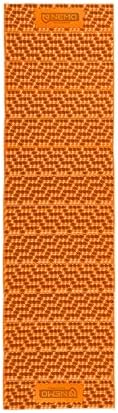
This is a dependable foam pad that works well as a standalone or layered option. The hexagonal design adds more cushioning than traditional flat foam pads, making it more comfortable for longer nights. It folds compactly and sets up instantly with no inflation required.
It also reflects heat back toward your body, which helps improve warmth without adding complexity. This is a great option for minimalists or as a backup layer in colder conditions. It handles rough ground well and is easy to maintain over time.
Key Specs:
Material: dual-density foam
Best Use: minimalist camping and layering
Notable Feature: hexagonal node design for added comfort
Weight: 0.42 kilograms
Packed Size: compact folding structure
How to Choose the Right Self-Inflating Sleeping Mat
Consider Insulation and R-Value
Insulation plays a big role in how comfortable you feel at night. A higher R-value means better resistance to ground cold, which becomes important in cooler conditions. Even in mild weather, some insulation also helps maintain a stable sleep temperature.
If you camp across different seasons, it is worth choosing something with moderate insulation. This avoids needing multiple mats and keeps your setup consistent. For warmer trips, lighter options can still work well without extra bulk.
Balance Weight and Packed Size
Weight matters most when you are carrying everything on your back. A lighter mat reduces strain over long distances, especially when combined with other gear. Packed size also affects how easily everything fits into your bag.
That said, comfort should not be sacrificed too much. Also slightly heavier mat that improves sleep quality can make a noticeable difference over several days. It is about finding a balance that works for your travel style.
Look at Thickness and Support
Thickness directly affects how comfortable the mat feels. Thicker mats tend to provide better cushioning, especially for side sleepers. They also help keep you off uneven ground.
Support comes from the internal structure, not just thickness. Also, designs that distribute weight evenly feel more stable and reduce pressure points. This becomes more noticeable on longer trips where rest really matters.
Ease of Use and Setup
Self inflating mats are designed to reduce effort, but some still require a few breaths to adjust firmness. Valves that are easy to use make setup and packing much quicker. This is helpful when arriving at camp late or leaving early.
Reliable deflation also matters. A mat that packs down easily saves time and frustration. Over time, these small details add up and make your overall experience smoother.
FAQs
Are self inflating sleeping mats better than air mats?
They offer more convenience and built-in insulation, while air mats are usually lighter and more compact. It depends on your priorities.
Can you use them in cold weather?
Yes, as long as the R-value is high enough. Some models are specifically designed for freezing conditions.
Do they need a pump?
No, they inflate on their own to a degree. You may need a few breaths to adjust firmness.
Are they good for backpacking?
Many are, especially lighter models. Also pay attention to weight and packed size.