
Barefoot Shoes

Barefoot Shoes Reviews, Guides & Tips

Barefoot shoes support natural movement, balance, and foot strength. They work well for travel, hiking, and daily wear. They allow your feet to flex, spread, and move more freely than regular shoes.

Most barefoot shoes feature a zero-drop sole, a thin and flexible build, and a wide toe box. These features help improve posture and balance. They also support a more natural way of walking.

This category includes guides, reviews, and simple advice to help you choose the best barefoot shoes. Whether you need barefoot shoes for travel, everyday sneakers, or hiking shoes for rough terrain, you will find options for different uses. You can also explore more gear in our travel equipment guides to build a complete setup.

Barefoot Shoes and Grounding

Grounding, also known as earthing, is the practice of connecting more directly with the earth beneath you. While barefoot shoes do not provide the same direct contact as bare feet, they encourage a closer sensory connection to the ground. Their thin, flexible soles help you feel surfaces more clearly, supporting awareness, stability, and a more mindful way of moving.

If you are new to barefoot footwear, you will find clear tips on the benefits, how to transition, and what to look for in your first pair. If you already have experience, explore comparisons of lightweight models, trail shoes, and all-around options. To support a more grounded way of living that aligns with natural rhythms, we recommend exploring low-impact tools from our technology guides, including low-EMF options that help reduce digital overload.

Barefoot Shoes for Travel and Backpacking

Barefoot shoes work well for travel. They are light, easy to pack, and adapt to many climates and terrains. From sandals for warm weather to simple leather styles for daily wear, they support natural foot movement.

This category helps you find the right barefoot shoes and take a more natural approach to movement.
Recent Posts

Choosing the Right Barefoot Shoes

Choosing the right barefoot shoes depends on how and where you plan to use them. Travel focused shoes should be lightweight and easy to pack. Hiking shoes should provide grip and durability for rough terrain. Everyday shoes should balance comfort and versatility.</p>

<p>If you are new to barefoot footwear, start slowly and give your feet time to adapt. This helps build strength and reduces the risk of discomfort. You can learn more in this guide on <a href=“/how-to-transition-to-barefoot-shoes/” target=“_blank”>how to transition to barefoot shoes</a>.</p>

<p>Key features to look for include a wide toe box, a flexible sole, and a zero drop design. These allow natural foot movement and help improve balance over time.</p>

<h2>Barefoot Shoes for Travel and Backpacking</h2>

<p>Barefoot shoes work well for travel because they are lightweight and easy to pack. They can be used across different climates and terrains, which makes them a practical choice for backpacking.</p>

<p>For long term travel, many people choose one versatile pair that can handle walking, light hiking, and daily wear. You can explore options in this guide to <a href=“/best-barefoot-shoes-for-travel/” target=“_blank”>barefoot shoes for travel</a>.</p>

<p>In warmer climates, sandals provide breathability and comfort. In cooler conditions, closed toe shoes offer more protection while still allowing natural movement.</p>

<h2>Barefoot Hiking Shoes and Trail Use</h2>

<p>Barefoot hiking shoes are designed to handle uneven terrain while maintaining flexibility. They allow your feet to adapt to the ground, which can improve balance and awareness on trails.</p>

<p>Look for models with good grip and durable materials. These help protect your feet while still allowing natural movement. For specific recommendations, see this guide on <a href=“/best-barefoot-hiking-shoes/” target=“_blank”>barefoot hiking shoes</a>.</p>
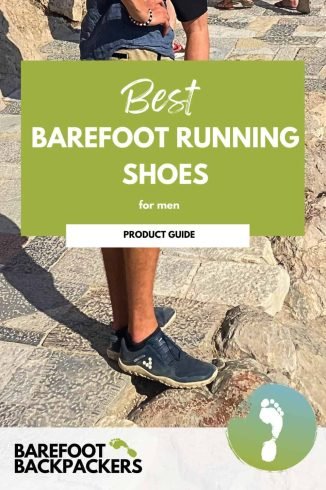
<p>Trail conditions vary, so it is important to choose a shoe that matches the environment you plan to explore.</p>

<h2>Frequently Asked Questions</h2>

<h3>Are barefoot shoes good for everyday use?</h3>
<p>Yes. Many barefoot shoes are designed for daily wear and support natural movement throughout the day.</p>
<h3>Can you hike in barefoot shoes?</h3>
<p>Yes. Many models are built for hiking and provide grip and flexibility for uneven terrain.</p>

<h3>Do barefoot shoes take time to get used to?</h3>
<p>Yes. Most people need a transition period to allow their feet to adjust and build strength.</p>