

If you’re researching things to do in Oslo, you’ll quickly discover that Norway’s capital blends modern design, outdoor access, coffee culture, and a vibrant creative scene. We loved visiting Oslo, which is compact and easy to navigate. It’s ideal for travelers who enjoy walkable cities, waterfront landscapes, museums, and local food experiences without needing a car.
Set between forested hills and the Oslofjord, the city offers an easy balance between culture and nature. You can spend your morning inside a world-class museum, take a sauna by the fjord in the afternoon, and finish the evening with dinner overlooking the harbor. Access to hiking trails, swimming lakes, and seasonal winter sports makes Oslo appealing for travelers who enjoy active travel alongside city exploration.
Read more: Oslo 4 Days Itinerary: Tips, Budget + Activity Map
This guide covers the best things to do in Oslo, including museums, our walking route for one day in Oslo as well as saunas, outdoor escapes, coffee culture, neighborhoods to explore, and practical tips for planning your stay. So let’s get into our 15 top things to do in Oslo.
This blog is supported by the community. We may earn a small commission if you purchase through our links. As an Amazon Associate, we earn from qualifying purchases. See our Privacy Policy.
Our Google Maps Oslo Guide
Check out our full Oslo guide on how to spend 4 days in Oslo.
Where Is Oslo Located?
Oslo sits on the southeastern coast of Norway at the top of the Oslofjord. The city is surrounded by forests, lakes, and hills, which gives it unusually quick access to nature for a European capital. Oslo Gardermoen Airport connects directly to major European cities, and the airport express train reaches the city center in around 20 minutes.
Because Oslo is compact and well-connected by metro, trams, ferries, and buses, it is easy to explore without renting a car. Many of the main attractions are clustered within walking distance of each other, making the city especially friendly for short stays and first-time visitors.
Where to Stay in Oslo
- Scandic St. Olavs Plass (Karl Johans Gate, Center) Best Hotel & Breakfast
- Bunks at Rode (Grünerløkka) Best Hostel in Trendy Area
- Frogner House (Nationaltheatret, Center) – Best Self-Catered Apartment
Our Self-Guided Oslo Walking Route
One of the best ways to experience Oslo is on foot. Most major landmarks sit within a few miles of each other, allowing you to build a full day of sightseeing without heavy transport planning.
Suggested Walking Route:
- Oslo Opera House
- Munch Museum
- Akershus Fortress
- Oslo Cathedral
- Karl Johans Gate
- Eidsvolls Plass
- Royal Palace
- Oslo City Hall
- National Museum
- Aker Brygge
- Ferry to Bygdøy Peninsula and Museums
This route takes you through historic streets, political landmarks, waterfront promenades, and modern cultural districts. It also gives you a sense of how Oslo blends traditional architecture with contemporary design.
If you prefer a structured experience, a walking tour in Oslo is a good option. Guides provide historical context, local insight, and practical tips for navigating the city.
Olso One Day Main Sites
This walking route connects many of Oslo’s most important cultural landmarks, waterfront areas, and historic streets, making it an ideal way to experience the city on foot in one full day. The route is mostly flat, easy to navigate, and well signposted, allowing you to move comfortably between neighborhoods while getting a strong sense of Oslo’s layout and atmosphere.
Begin at the Oslo Opera House, where you can walk across the sloping rooftop for panoramic views of the harbor and city skyline. From here, you can also continue to the nearby Munch Museum, home to Edvard Munch’s most famous works and an impressive modern collection.
Walk onward toward Akershus Fortress, a medieval castle overlooking the fjord, offering great photo viewpoints and insight into Norway’s military history. From the fortress, head inland toward Oslo Cathedral, then stroll along Karl Johans Gate, the city’s main pedestrian boulevard lined with shops, cafés, and historic buildings.
As you continue, pass through Eidsvolls Plass, the square in front of the Norwegian Parliament, before reaching the Royal Palace and its surrounding park.
From there, loop back toward the waterfront via Oslo City Hall, famous for hosting the Nobel Peace Prize ceremony, and the nearby National Museum, which houses Norway’s largest collection of art, design, and architecture.
Finish the walking portion at Aker Brygge, a lively harbor district filled with restaurants, boardwalk paths, and ferry terminals.
Extra time
If you have time or another day, go from Aker Brygge, and hop on a public ferry to the Bygdøy Peninsula, where you’ll find several of Oslo’s top museums, beaches in summer, and forest walking trails.
The ferry ride itself is short but scenic, offering a relaxing way to see the city from the water. Most of the walking route can be completed comfortably in a day, with breaks for museums and coffee stops. The Bygdøy section is best done by ferry rather than on foot, saving time and energy while adding a fjord experience to your day.
Top Things to Do in Oslo Guide
1. Oslo Opera House and Bjørvika Waterfront
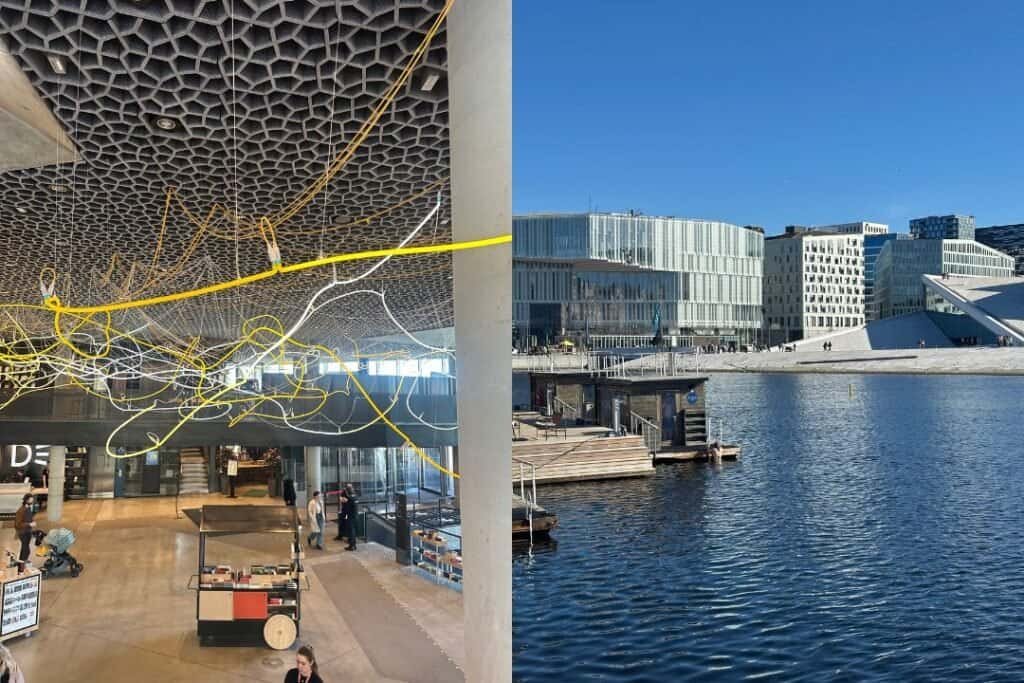
The Oslo Opera House is one of the city’s most recognizable landmarks and one of the best free viewpoints in the city. The sloped marble roof allows visitors to walk to the top for wide views across the fjord, harbor, and skyline. Sunrise and sunset are especially rewarding if the weather conditions are clear.
The surrounding Bjørvika district has developed into a modern cultural area with floating saunas, cafés, harbor swimming areas in summer, and pedestrian walkways. It is a good place to slow down, grab coffee, and enjoy the water views before continuing deeper into the city.
2. Munch Museum
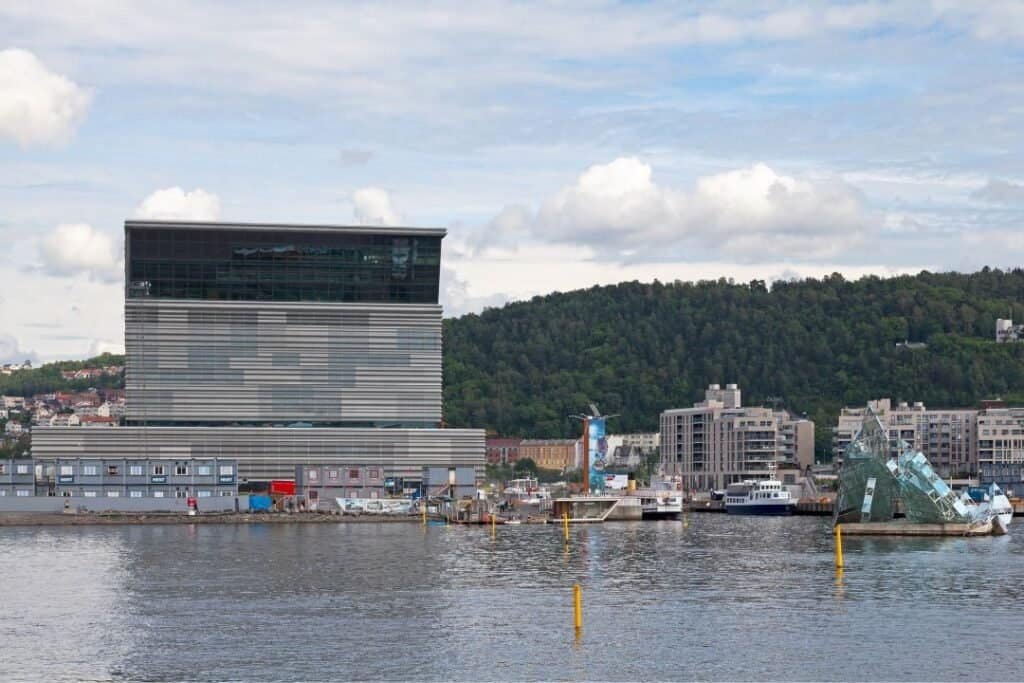
The Munch Museum houses the largest collection of works by Edvard Munch, including versions of The Scream and many lesser-known pieces. The modern building includes rotating exhibitions, viewing decks, and a café with city views.
Plan to spend at least two hours here if you enjoy museums. The exhibitions provide cultural context for Norwegian art and identity, even for visitors who are not art specialists.
Typical cost: $15 to $20 USD.
3. Akerselva River Walk and Vøyenfallene
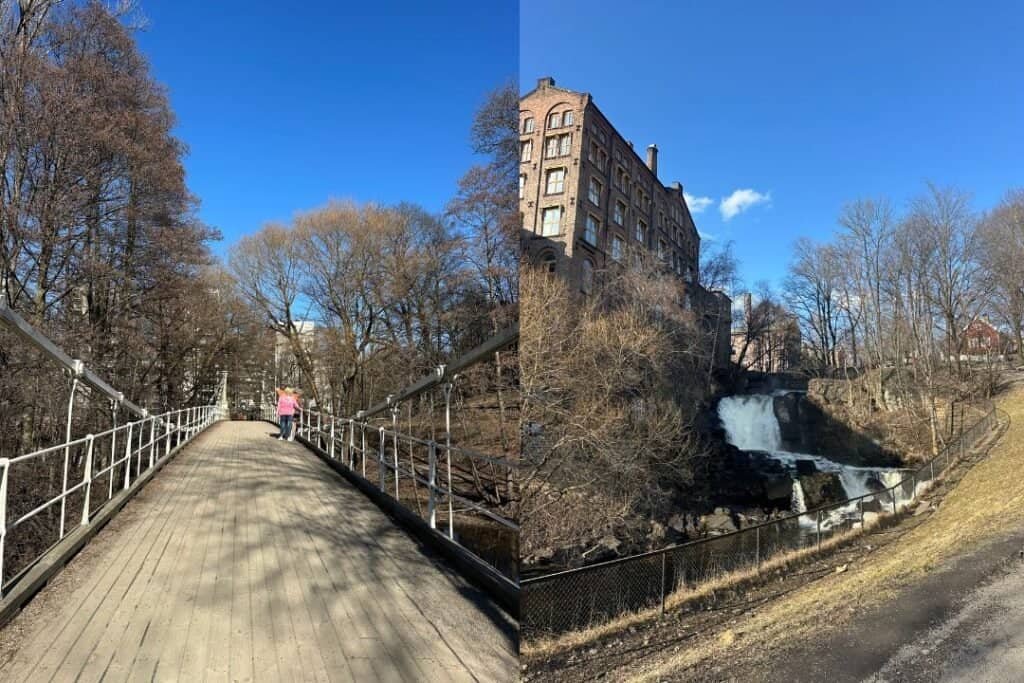
The Akerselva River runs through several neighborhoods and offers one of the best urban nature walks in Oslo. The path passes waterfalls, converted industrial buildings, galleries, cafés, and green spaces popular with locals.
Vøyenfallene waterfall is one of the highlights and a good photo stop. This walk pairs well with time spent in Grünerløkka or Vulkan afterward.
4. Oslo Sauna Culture and Fjord Experiences
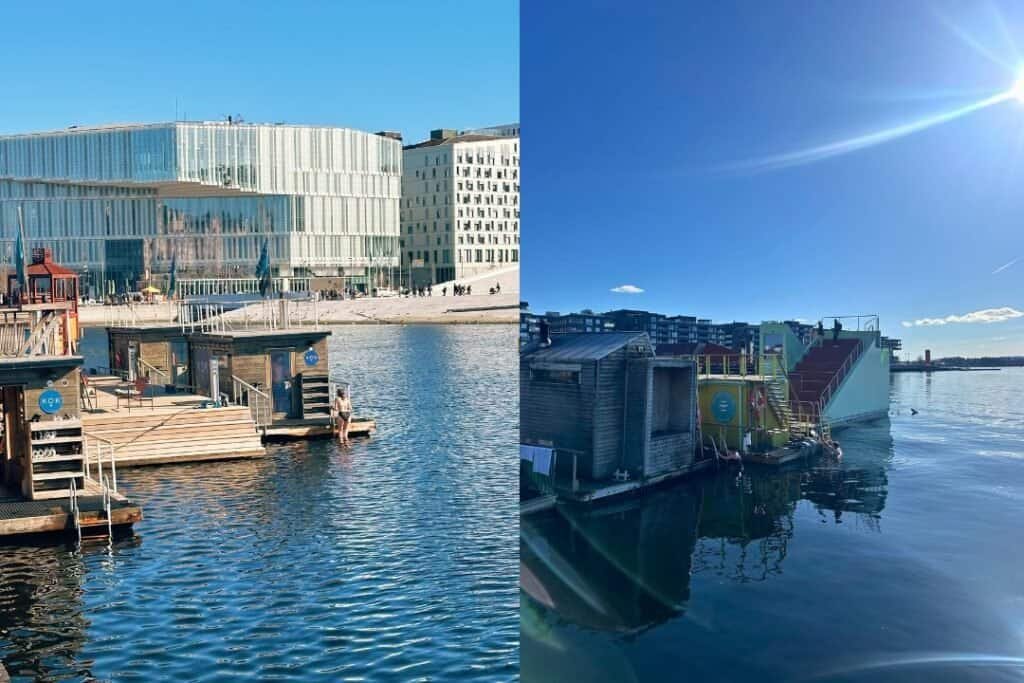
Saunas are deeply embedded in Norwegian culture, and Oslo offers some of the best urban sauna experiences in Europe.
SALT Sauna Oslo combines multiple saunas with cold plunges, social spaces, and seasonal events. It is approachable for first-time sauna users.
Other options include:
- KOK Sauna, which operates floating saunas and fjord sightseeing sessions in warmer months.
- Oslo Badstuforening, a collective that manages several architect-designed sauna rafts, including accessible facilities and historic-inspired builds.
Typical cost: $30 to $45 USD per session, depending on provider and timing.
5. Tryvann and Outdoor Access
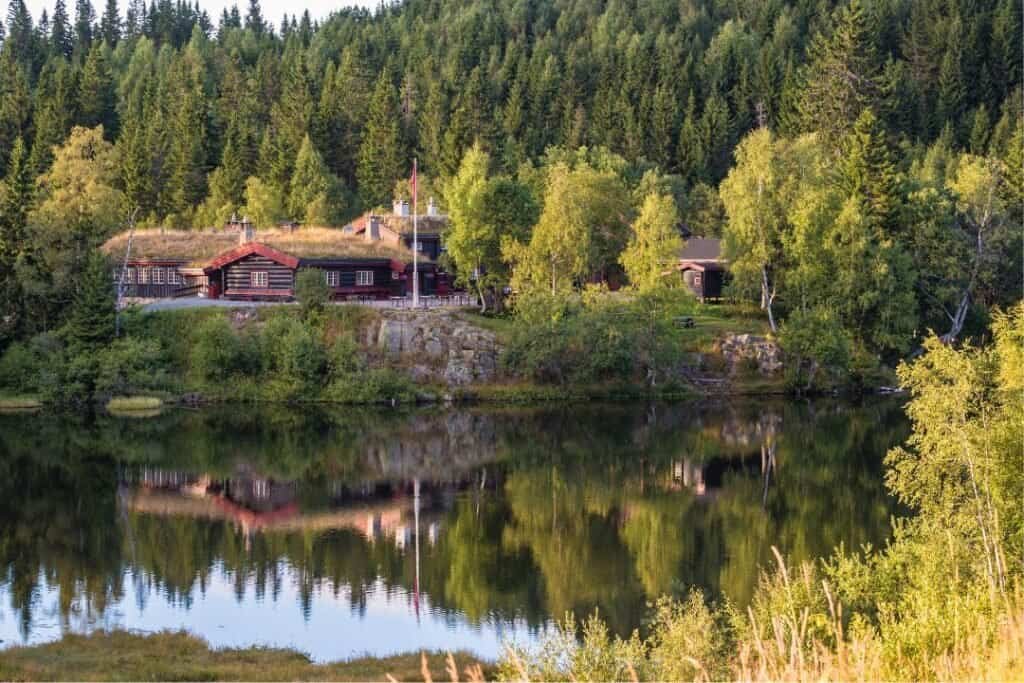
Tryvann is Oslo’s main outdoor recreation area, accessible by metro in around 30 minutes. In winter, it functions as a ski area. In warmer months, it becomes a hiking and biking zone with viewpoints over the city and the surrounding forest.
It is an easy way to combine urban travel with outdoor activity without leaving the city.
6. Sognsvann Lake
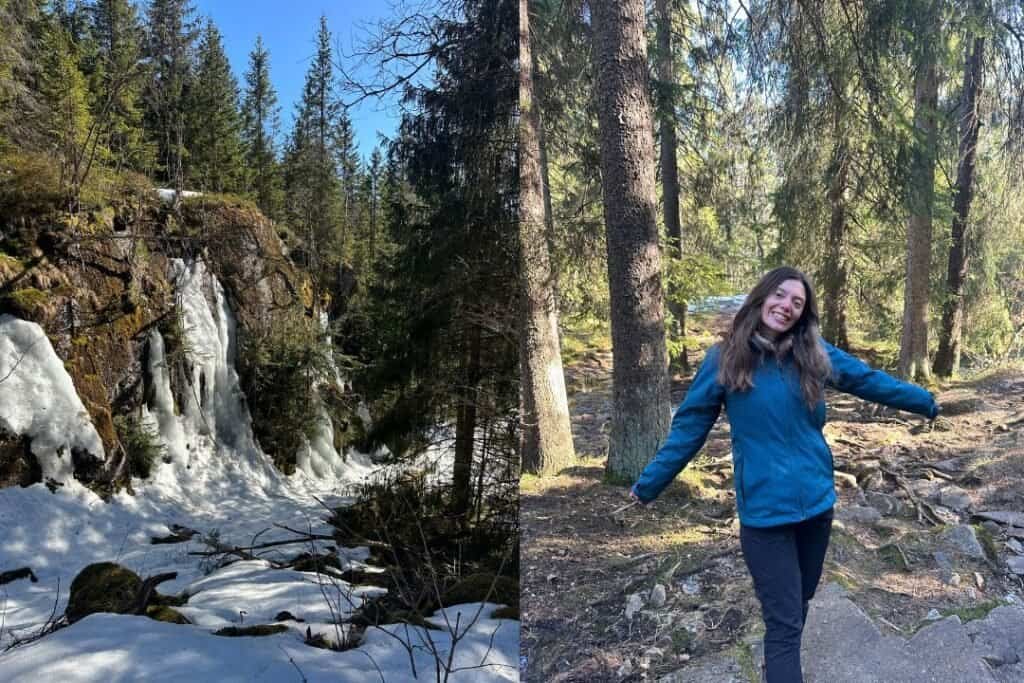
Sognsvann is also one of the easiest nature escapes from central Oslo, reachable in approximately 20 minutes by metro. The lake is surrounded by forest trails used for hiking, jogging, swimming in summer, and ice skating in winter.
Small lodges nearby sell waffles, baked goods, and coffee, making it a relaxed half-day outing.
7. Grünerløkka, Vulkan, and Creative Culture
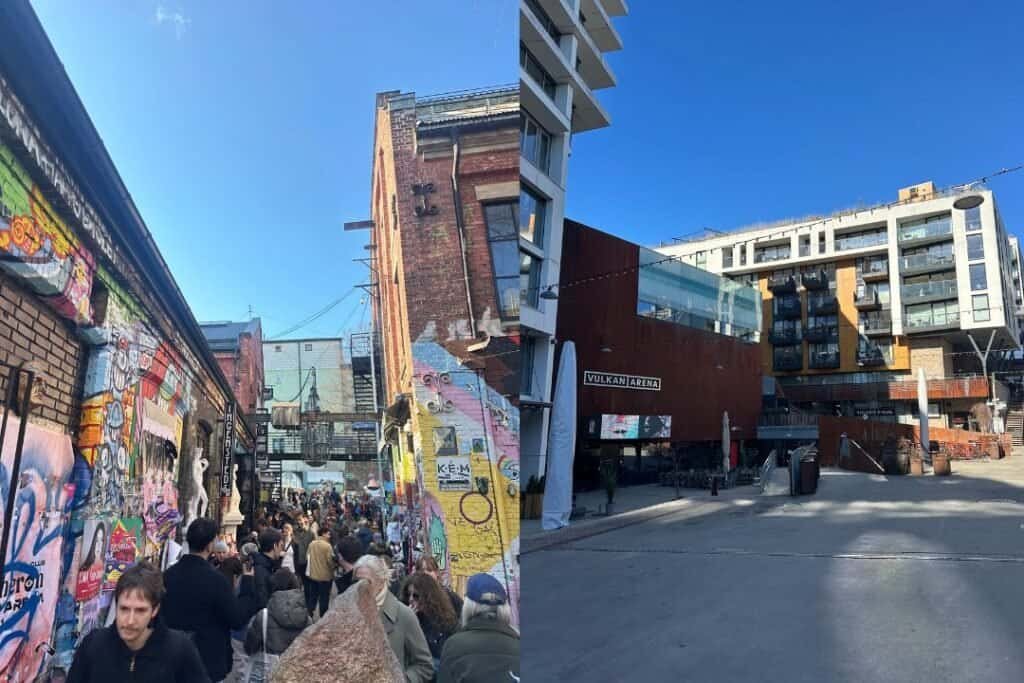
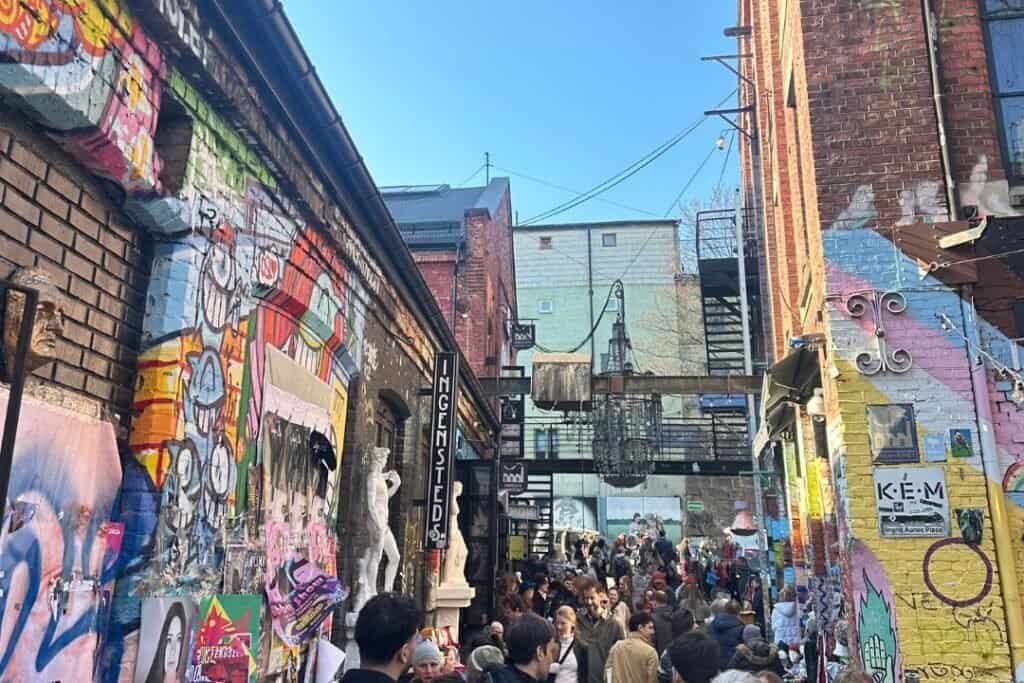
Grünerløkka is Oslo’s creative neighborhood with vintage shops, independent cafés, bars, street art, and galleries. It attracts students, artists, and younger locals.
Nearby, Vulkan is home to Mathallen Food Hall, one of the best places to sample Oslo street food and international cuisine. Blå hosts free live music on Sundays, and Søndagsmarkedet on Sundays adds local vendors and food stalls along the river.
8. Bygdøy Peninsula and Museum Island
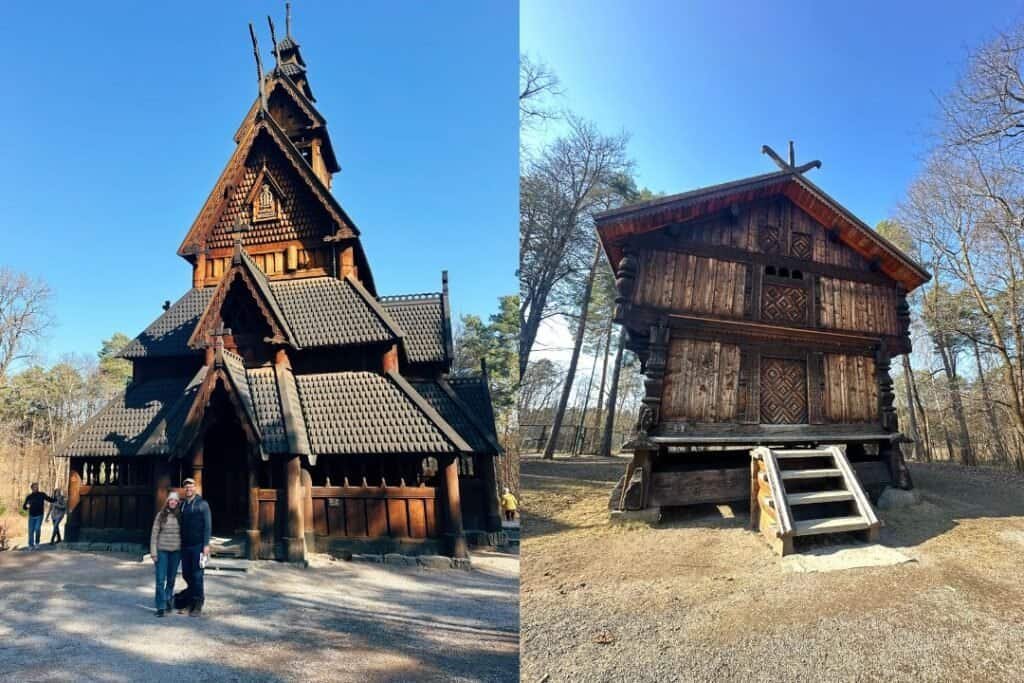
Bygdøy Peninsula, often called Museum Island, is home to several of Norway’s most important museums and green spaces. It’s easy to reach by public ferry from Aker Brygge using a regular transit ticket, making it one of the most affordable and scenic day trips from the city center.
Highlights include beaches, forest walking paths, picnic areas, and waterfront viewpoints alongside world-class museums. Also in warmer months, locals swim, cycle, and relax on the grassy shoreline. Even in cooler seasons, the ferry ride itself offers beautiful views across the Oslofjord and a slower pace compared to the city center.
9. Norwegian Folk Museum (Norsk Folkemuseum)
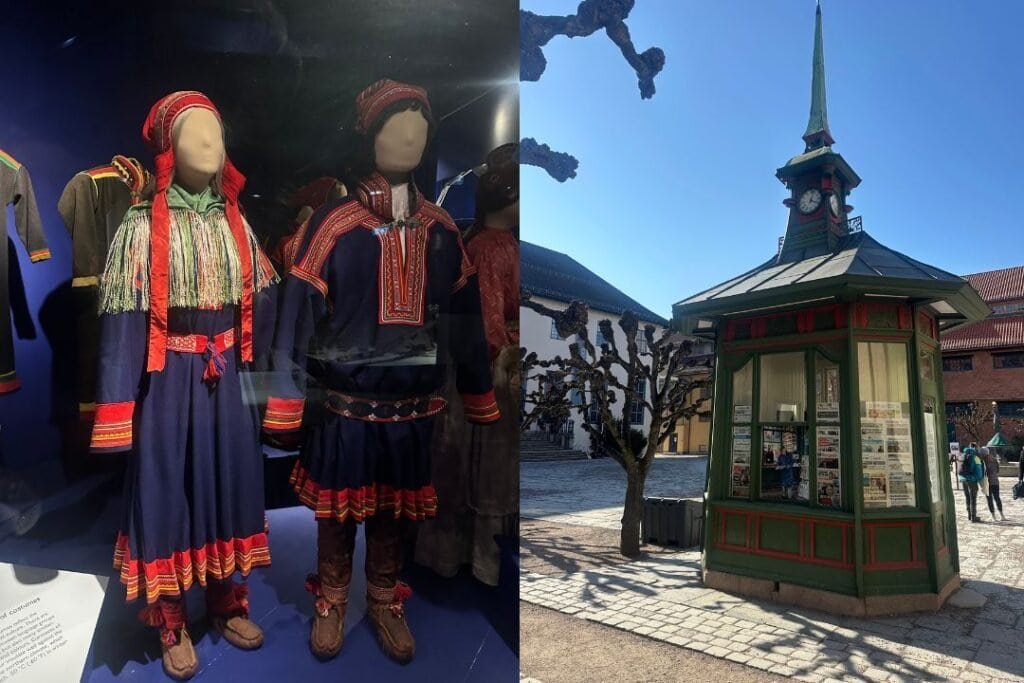
The Norwegian Folk Museum is one of Scandinavia’s largest open-air museums and offers an excellent introduction to Norwegian history and traditional life. The museum features more than 150 historic buildings relocated from across the country, including farmhouses, townhomes, and a striking medieval stave church.
You can walk through different regions and time periods, seeing how people lived from the 16th century through to modern times. Costumed interpreters often demonstrate traditional crafts, baking, and seasonal customs. Plan at least two to three hours here if you enjoy cultural museums and outdoor exhibits. Typical cost ranges from $18 to $22 USD.
10. Vigelandsparken and Frogner Park
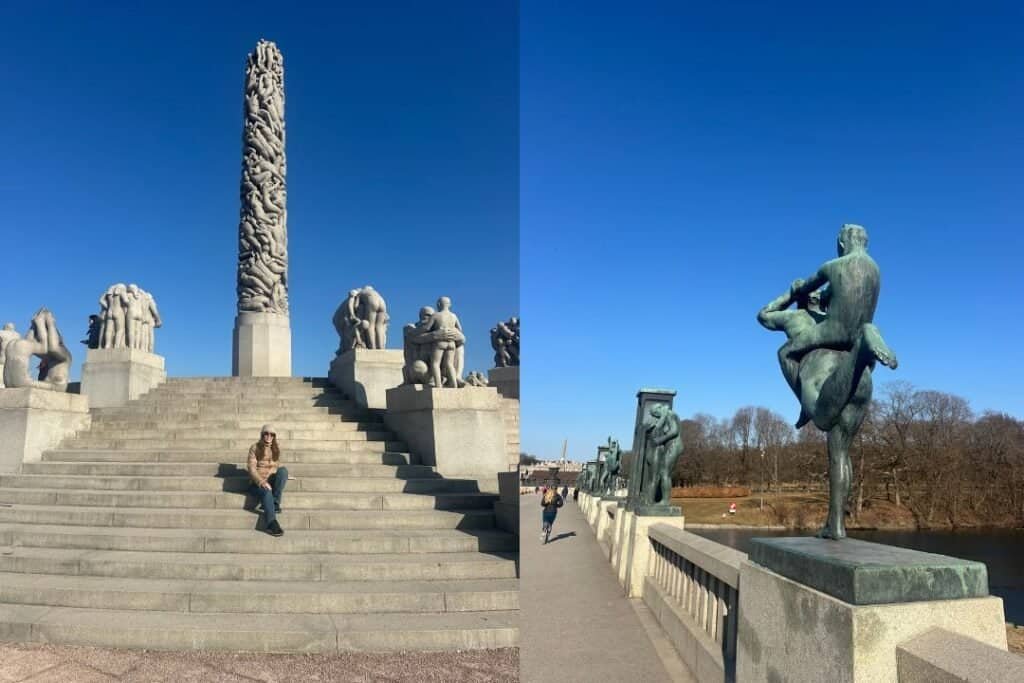
Vigelandsparken is the world’s largest sculpture park created by a single artist, featuring over 200 works by Gustav Vigeland. The sculptures explore human relationships, aging, family life, and emotion, displayed across bridges, fountains, and landscaped gardens.
The park is free to enter and works well as a relaxed afternoon walk or picnic stop. It is also part of Frogner Park, one of Oslo’s largest green spaces, making it a good break from museums and city walking. The layout allows visitors to wander at their own pace without needing a formal route.
11. Ekebergparken Sculpture Park and Sunset Viewpoint
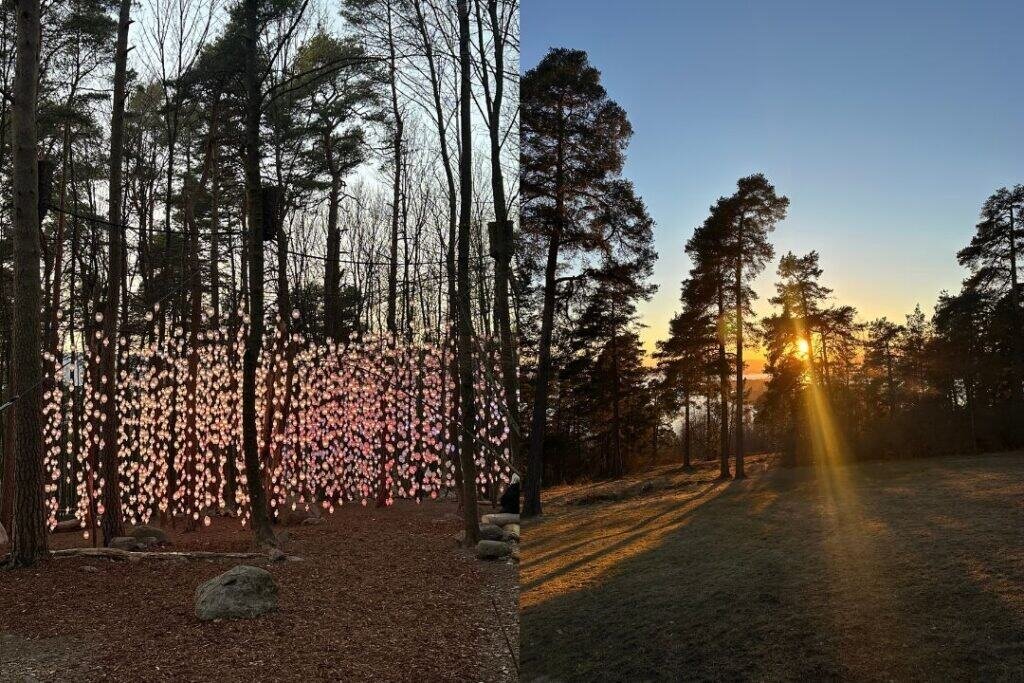
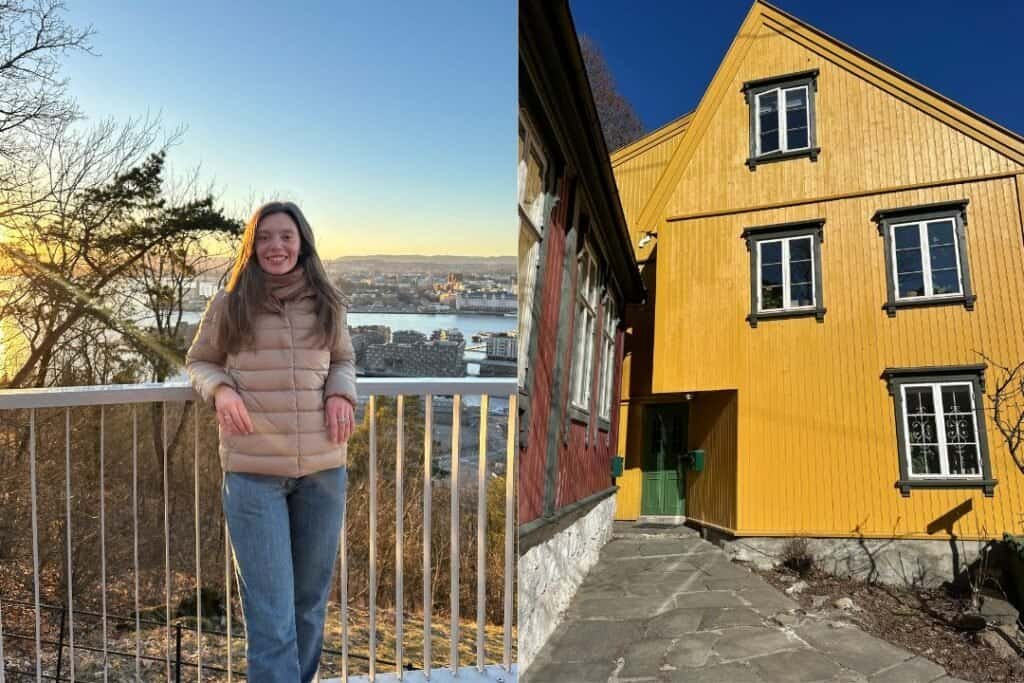
Ekebergparken combines outdoor sculpture with one of the best viewpoints in Oslo. Located on a hillside above the city, the park offers wide views over the harbor, islands, and city skyline, especially beautiful at sunset.
The park includes contemporary art installations spread along forested walking paths, creating a quieter and more reflective experience compared to central attractions. It is also accessible by tram or bus, followed by a short uphill walk. Clear evenings provide long daylight in summer and dramatic sky colors in cooler months.
12. Damstredet and Telthusbakken Historic Streets
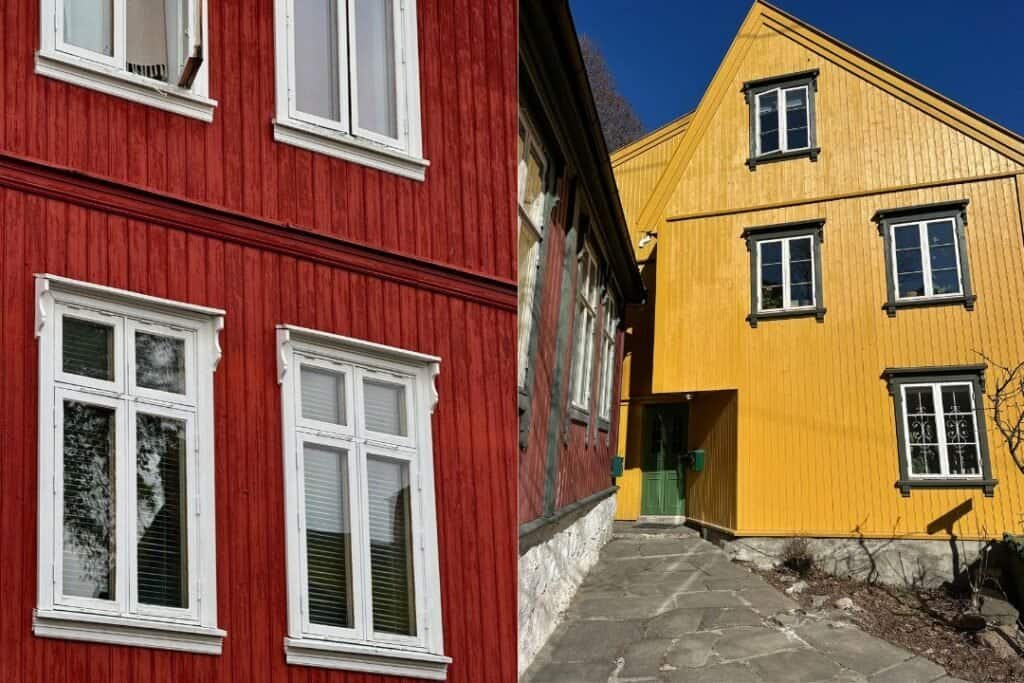
Damstredet and Telthusbakken are two of Oslo’s most charming historic streets, lined with preserved wooden houses dating back to the 18th and 19th centuries. While Oslo does not have as many colorful districts as Bergen or Trondheim, this area offers a glimpse into what the city once looked like.
The neighborhood is still residential, so visitors should walk respectfully and avoid photographing inside private homes. It’s an easy 20-minute walk from the city center and pairs nicely with nearby cafés or a stop at the public library.
13. Mathallen Food Hall
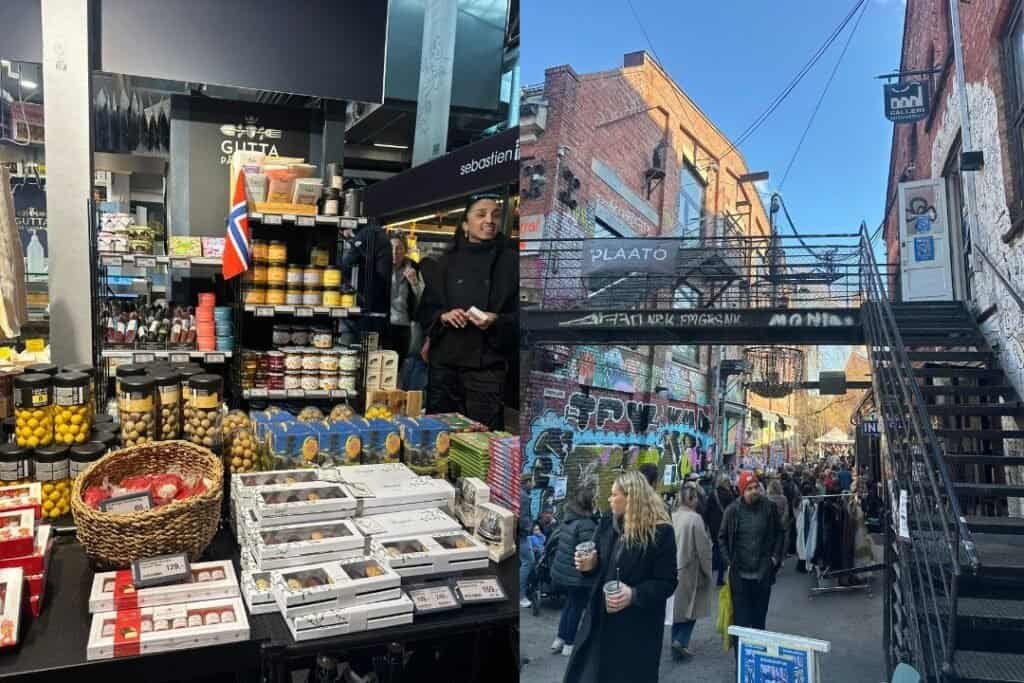
Mathallen Food Hall is Oslo’s main indoor food market and one of the best places to eat affordably in an otherwise expensive dining scene. Inside, you’ll find bakeries, seafood counters, international street food stalls, coffee bars, and dessert vendors.
It works well for lunch or a casual dinner, especially if you’re traveling with different dietary preferences. Expect meals to cost roughly $12 to $20 USD, depending on what you choose.
14. Oslo Public Library (Deichman Bjørvika)

The Deichman Bjørvika Library is a modern architectural landmark near the Opera House and Munch Museum. Plus, the building features open reading spaces, panoramic windows, quiet work zones, and views across the harbor.
Even if you’re not planning to read, it’s a pleasant place to rest, warm up in winter, or escape crowds. The library also offers cafés and public restrooms, making it a practical stop while exploring the Bjørvika district.
15. Oslo Cathedral and Karl Johans Gate
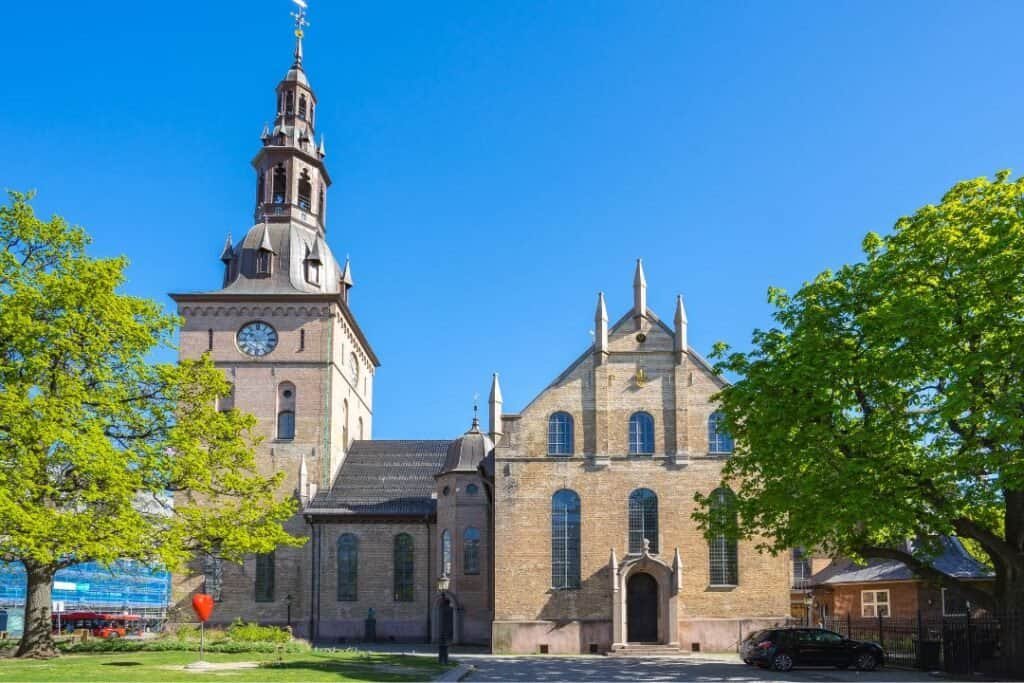
Oslo Cathedral sits just off Karl Johans Gate, the city’s main pedestrian boulevard connecting the central station to the Royal Palace. The cathedral itself is modest but worth a quick visit for its calm interior and artwork.
Karl Johans Gate is lined with shops, cafés, historic buildings, and street performers, also making it a natural walking route between major attractions. It’s a good area for people watching and casual shopping, though prices are generally higher than in local neighborhoods.
Coffee Culture in Oslo
Oslo has one of Europe’s strongest specialty coffee scenes. Quality is consistently high, although prices reflect Norway’s higher cost of living.
Recommended cafés include:
- Supreme Roastworks
- Fuglen Coffee Roasters
- Tim Wendelboe
Expect to pay around $5 to $7 USD per coffee.
Neighborhoods to Visit in Oslo
Sentrum and Karl Johans Gate
The central district contains many of Oslo’s major landmarks, shopping streets, museums, and transport hubs. It is busy but convenient for short stays.
Aker Brygge and Tjuvholmen
Waterfront districts with modern architecture, harbor walks, restaurants, and museums. Best for scenic dining and evening walks.
Grünerløkka
Creative and youthful with vintage shops, cafés, nightlife, and river walks. Ideal for travelers who enjoy neighborhood exploration and food culture.
Majorstuen and Frogner
Residential areas near parks, upscale shopping, and quieter streets. Also good for longer stays and calmer accommodation options.
Bygdøy Peninsula
Museum-focused area with beaches and green spaces. Best for daytime exploration rather than overnight stays.
Where to Stay in Oslo Based on Your Travel Style
- Best for first-time visitors:
Stay near Sentrum or Karl Johans Gate for easy access to landmarks, transport, and walking routes. - Best for food and creative culture:
Grünerløkka offers cafés, independent shops, nightlife, and strong local energy. - Best for waterfront views and dining:
Aker Brygge and Tjuvholmen provide scenic accommodation but are generally more expensive. - Best for quieter stays:
Majorstuen and Frogner offer residential comfort with good metro connections. - Best for budget travelers:
Hostels and budget hotels cluster around Sentrum and Grünerløkka.
Where to Stay in Oslo
- Scandic St. Olavs Plass (Karl Johans Gate, Center) Best Hotel & Breakfast
- Bunks at Rode (Grünerløkka) Best Hostel in Trendy Area
- Frogner House (Nationaltheatret, Center) – Best Self-Catered Apartment
Getting Around Oslo
- Walking works well for most central attractions.
- Public transport includes metro, trams, buses, and ferries.
- Day pass costs around $12 to $15 USD.
- Uber is available but expensive.
- Public ferries to Bygdøy are included in transit passes.
Budget Overview
Estimated daily costs:
- Budget traveler: $70 to $100 USD
- Mid-range traveler: $120 to $180 USD
- Luxury traveler: $250+ USD
Cost-saving tips:
- Buy breakfast and snacks at grocery stores.
- Use transit passes rather than single tickets.
- Prioritize free attractions and walking routes.
- Limit alcohol spending.
FAQ: Things to Do Oslo
How many days in Oslo is enough?
Two to four days allow enough time to see museums, neighborhoods, saunas, and outdoor areas.
Is Oslo good for solo travelers?
Yes. The city is safe, easy to navigate, and socially comfortable for solo travelers.
What is Oslo best known for?
Modern architecture, museums, fjord access, saunas, coffee culture, and walkability.
When is the best time to visit Oslo?
May through September offers mild weather and long daylight. Also winter is ideal for snow activities and a seasonal atmosphere.