

100% wool socks provide reliable comfort, moisture management, and temperature control for daily wear. For people who spend long hours walking, standing, or traveling, choosing the right fiber and high quality socks can make a noticeable difference in overall comfort.
These 100% wool socks naturally regulate temperature and manage moisture, keeping feet comfortable across a range of conditions. Unlike many synthetic materials, wool insulates while remaining breathable even during long periods of wear. Different animal fibers provide subtle variations like alpaca wool socks, which is why we have included many wool fiber options in this guide.
Choosing 100% wool socks also supports more intentional material choices. Pure wool avoids synthetic blends and plastic fibers that contain microplastics and can reduce breathability. An excellent choice for natural moisture-wicking is merino wool socks which are renown for high performance.
This blog is supported by the community. We may earn a small commission if you purchase through our links. As an Amazon Associate, we earn from qualifying purchases. See our Privacy Policy.
The Best 100% Wool Socks at a Glance
100% Sheep Wool Socks
- Best Traditional Style: 100% Irish Wool Socks
- Best Mid-Calf Lambswool: YUN Men’s 100% Wool Boot Socks
- Best Ankle Lambswool: YUN Women’s 100% Wool Ankle Socks
- Best Extreme Boiled Wool: Dachstein 4 Ply 100% Wool Sock
- Best Hand Knit Calf: Dachstein Hand Knit Calf Socks
Alpaca, Merino, & Cashmere 97%+ Wool Socks
- Best Fine Knit Year-Round: BRUBAKER 100% Alpaca Fine Knit
- Best Knee High Thick: BRUBAKER 100% Alpaca Knee High
- Best merino Wool Crew: Tough Land 97% Merino Crew
- Best Cashmere Wool Crew: iMongol 97% Cashmere Crew
Best 100% Sheep Wool Socks

Made from 100% Irish wool, these traditional heavyweight socks deliver dependable insulation and natural cushioning. The dense knit helps regulate temperature, keeping feet warm in winter while remaining comfortable in milder weather. A relaxed fit and multiple color options make them easy to wear for everyday use across seasons.
Key Specs:
Material: 100% Wool
Weight: Heavyweight
Fit or Size: Loose
Best Use: Summer and winter
Notable Feature: Irish tradition knit

These boot socks use premium lambswool to balance warmth with breathability in a medium-weight knit. Seamless construction minimizes friction, while moisture-wicking fibers support comfort during movement. The mid-calf crew height pairs well with boots for work or outdoor activity.
Key Specs:
Material: 100% Wool
Weight: Medium
Fit or Size: US 7-10
Best Use: Hiking, working out
Notable Feature: No-itch seamless
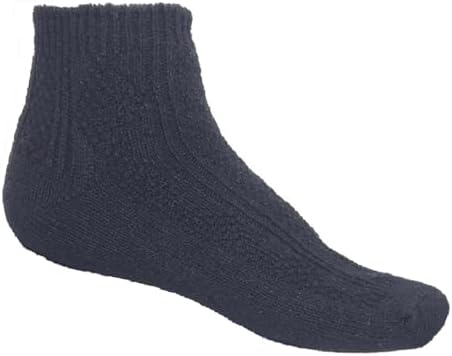
Crafted from soft lambswool, these ankle socks offer breathable comfort in a medium thickness suitable for daily wear. The seamless design reduces irritation, while the low-cut profile fits neatly inside ankle boots and casual footwear. Color variety adds versatility to the pack.
Key Specs:
Material: 100% Wool
Weight: Medium
Fit or Size: US 5-10
Best Use: Everyday, boots
Notable Feature: Seamless ankle
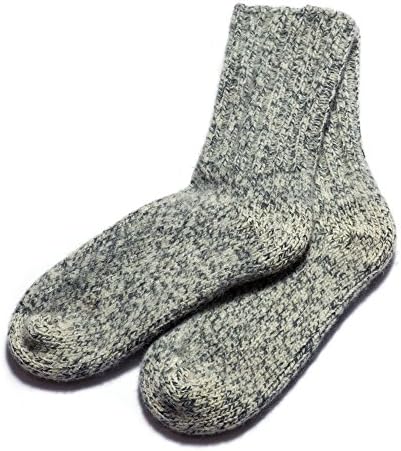
Designed for severe cold, these socks use thick, boiled organic wool to insulate even in damp conditions. The dense 4-ply construction traps warmth while absorbing moisture without losing performance. Produced in small batches in Austria, they reflect a heritage approach to cold-weather protection.
Key Specs:
Material: 100% Organic Wool
Weight: Heavy
Fit or Size: Men’s 6-14
Best Use: Cold weather
Notable Feature: Boiled insulation
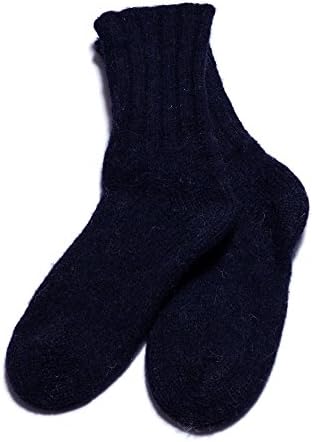
These hand-finished calf socks use boiled Austrian wool to deliver warmth with reliable breathability. The natural fibers manage moisture effectively, helping feet stay warm during active use. Built for durability, they suit hiking and sport while maintaining a traditional, handcrafted feel.
Key Specs:
Material: 100% Austrian Wool
Weight: Heavy
Fit or Size: 6-14
Best Use: Hiking, running
Notable Feature: Breathing boiled wool
Alpaca, Merino, & Cashmere 97%+ Wool Socks

Made entirely from alpaca wool, these fine-knit socks combine durability with lightweight comfort. The fibers naturally resist wear while remaining breathable and hypoallergenic. A seamless finish and versatile thickness make them suitable for year-round use.
Key Specs:
Material: 100% Alpaca Wool
Weight: Thin
Fit or Size: Various
Best Use: Year-round
Notable Feature: Tear resistant

These knee-high socks use thick alpaca wool to deliver strong insulation without trapping excess moisture. The breathable structure helps regulate temperature, while extended coverage adds warmth for cold conditions. Durable fibers support long-term wear in winter climates.
Key Specs:
Material: 100% Alpaca Wool
Weight: Extra Thick
Fit or Size: Unisex
Best Use: Winter
Notable Feature: Breathable insulation

With a high merino wool content, these crew socks focus on warmth and structure in a heavyweight knit. The ribbed design helps them stay in place, making them dependable for cold-weather activities. A classic style keeps them versatile for outdoor and casual use.
Key Specs:
Material: 97% Merino Wool
Weight: Thick
Fit or Size: Crew
Best Use: Hiking, skiing
Notable Feature: Near-pure wool warmth
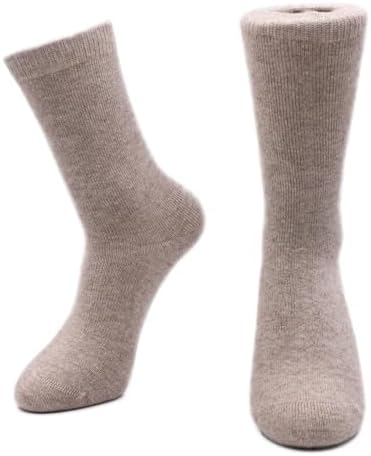
These cashmere-rich socks prioritize softness and comfort in a thick, insulating knit. A hand-sewn seamless toe reduces pressure points, while minimal elastic allows natural stretch. The mid-calf length and refined finish make them well suited for relaxed cold-weather wear.
Key Specs:
Material: 97% Cashmere
Weight: Thick
Fit or Size: Mid Calf
Best Use: Casual cold
Notable Feature: Hand sewn comfort
How to Choose the Right 100% Wool Socks
Understanding Wool Types and Fiber Structure
Not all wool feels the same, even when socks are labeled as 100% wool. Fiber thickness, fiber length, and how the wool is processed all affect softness, warmth, and durability. This is why some wool socks feel smooth and flexible, while others feel more structured or dense. Knowing this upfront helps avoid disappointment later.
Merino wool is often softer because the fibers are finer, which makes it easier to wear for long hours. Coarser wool can feel tougher and may hold up well in demanding conditions, but it is not always ideal for everyday comfort. Wool’s natural crimp also matters. It creates small air pockets that help regulate temperature and manage moisture throughout the day.
Moisture Management and Temperature Regulation
One of the biggest advantages of 100% wool socks is how they handle moisture. Wool can absorb moisture vapor without feeling wet, which helps keep feet more comfortable during long days. Less moisture usually means less friction. That alone can make a noticeable difference when walking or standing for extended periods.
Wool also adapts well to changing temperatures. It insulates when conditions are cooler and stays breathable when things warm up. This balance is why many people wear wool socks year round instead of saving them for winter. Moving between indoor and outdoor spaces feels more consistent and less uncomfortable.
Fit, Cushioning, and Daily Use
Fit has a direct impact on how socks feel by the end of the day. Socks that are too loose tend to bunch and shift, while overly tight socks can feel restrictive. Wool stretches naturally, but sizing still matters. Heel shape and toe construction also affect how well socks stay in place.
Cushioning should match how and where the socks will be worn. Thicker socks can help absorb impact during long days on hard surfaces. Thinner wool socks work better for everyday shoes or warmer conditions. Thinking about daily routines makes this choice much easier.
Durability, Care, and Long Term Value
Pure wool socks can last a long time when they are well made and cared for properly. Wool fibers are naturally resilient and can flex repeatedly without breaking. Durability also depends on knit density, especially in high wear areas like the heel and toe. Construction matters more than labels.
Care plays a big role in long term value. Gentle washing and air drying help preserve wool fibers and maintain shape. While this takes more attention than tossing socks into a hot dryer, it often leads to fewer replacements. Over time, that difference adds up.
Common Misconceptions About Wool Socks
A common assumption is that wool socks are only useful in cold weather. In reality, wool breathes well and adapts to different temperatures. Lightweight wool socks can feel comfortable even in warmer conditions. Many people realize this after wearing them consistently.
Another misconception is that wool is always itchy. Modern wool processing has changed that experience significantly. Fine wool fibers feel smoother against the skin and adjust better to body temperature.
FAQs
Are 100% wool socks suitable for everyday wear?
Yes, many people wear them daily because they regulate temperature and manage moisture effectively. The key is choosing the right thickness and fit for your routine.
Can 100% wool socks help with foot odor?
Wool naturally resists odor by managing moisture and inhibiting odor causing bacteria. This makes it well suited for extended wear.
Are wool socks durable without synthetic blends?
Alpaca often softer and hypoallergenic. Sheep wool traditional warmth. Both insulate well. Alpaca resists odor more. Choice depends on feel.
Why choose high percentage over blends?
Yes, when well constructed, pure wool socks can be very durable. Knit density and reinforcement areas play an important role.