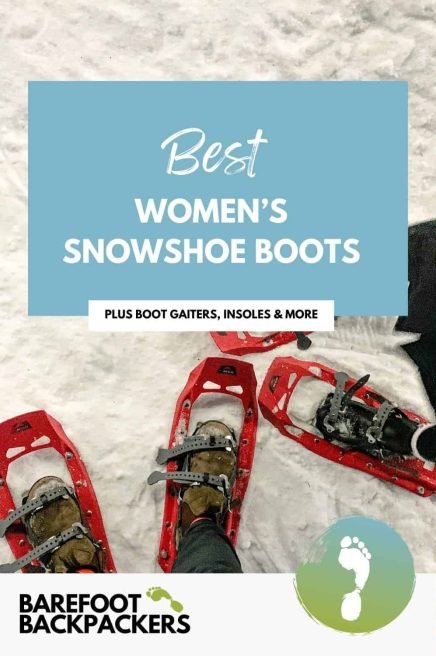


Women’s snowshoe boots are an important piece of gear for anyone heading out on snowy trails, whether you’re using snowshoes for snowshoeing for the first time or exploring backcountry terrain. The right boots will keep your feet warm, dry, supported, and actually secure under the bindings of your snowshoes while helping you stay comfortable over long distances in winter conditions. Snowshoeing is basically snow hiking so your boots need to be versatile and rugged enough to handle deep snow, uneven terrain, and cold weather without fatigue or discomfort.
Unlike casual winter boots, quality snowshoe boots balance warmth, waterproofing, traction, and support, so you can move confidently over snow and ice without worrying about wet feet or sore ankles. In this guide, we’ll break down the top boots for women in 2026, showing options for different budgets, foot shapes, insulation needs, and adventure styles. We also cover the features that matter most when pairing boots with snowshoes, so you can choose with confidence and comfort in mind. We also touch on boot gaiters and winter insoles, as they can be the key to optimising your insulated winter hiking boot for the snow.
From waterproof membranes and insulation levels to midsole support and outsole grip, here is our top women’s snowshoe boots to continue your adventures outside all winter long.
This blog is supported by the community. We may earn a small commission if you purchase through our links. As an Amazon Associate, we earn from qualifying purchases. See our Privacy Policy.
At a Glance: Best Women’s Snowshoe Boots
- Best All-Around Snowshoe Boot: Columbia Bugaboot Plus IV Omni-Heat
- Best Barefoot Snowshoe Boot: Vivobarefoot Tracker II FG Women’s Leather Hiking Boot
- Best Budget-Friendly Women’s Snowshoe Boot: Merrell Thermo Chill Mid
- Best Durable Insulated Snowshoe Boot: Oboz Bridger Insulated
- Best Lightweight Snowshoeing Boot: Salomon X Ultra Snowpilot
- Best Wide Fit Snowshoe Boot: KEEN Revel IV Polar Mid
- Best Extra Warm Snowshoe Boot: The North Face Chilkat V
Best Women’s Snowshoe Boots

A reliable choice for most winter trails, the Columbia Bugaboot Plus IV Omni-Heat delivers dependable warmth and waterproof performance without overwhelming bulk. Its sealed seam construction and Omni-Heat thermal reflective lining help keep feet dry and warm during long snowshoe hikes, while the rugged sole provides good traction on packed snow and icy approaches. The overall build is solid and versatile, making it a strong all-purpose boot for snowshoeing and winter hiking.
Key Specs
Waterproof seam-sealed construction
Omni-Heat reflective lining
Rubber winter sole for traction
Warm synthetic insulation
Mid-height design for snow protection

The Vivobarefoot Tracker II FG stands out as one of the most capable barefoot boots for snowshoeing, especially for those who prefer natural movement without sacrificing protection. Made from premium leather with sealed seams and a waterproof membrane, it performs reliably in wet snow and cold conditions while remaining far more flexible than traditional winter boots. The firm-ground outsole offers stable traction under snowshoe bindings, making it suitable for packed snow, icy trails, and mixed winter terrain.
Inside, the removable thermal insole adds warmth when temperatures drop, while the zero-drop design and wide toe box allow the foot to move naturally during long snowshoe hikes. Lightweight for a leather boot but impressively durable, this is an excellent option for women who want a minimalist feel with real winter capability.
Key Specs
Lightweight for a leather boot
Thin barefoot sole with firm-ground lugs
Zero-drop design with wide toe box
Premium leather upper
Fully waterproof with removable thermal insole

For snowshoe hikes that take you deep into winter conditions, the Oboz Bridger Insulated boot brings durability and warmth without excessive weight. With insulated lining and a waterproof membrane, these boots handle snowy trails and changing conditions with confidence. The supportive shank and rugged outsole provide stability through uneven snow and longer routes.
Key Specs
B-Dry waterproof membrane
Warm insulation layer
Rubber winter lugged outsole
Supportive insole and shank
Available in regular and wide widths

The Merrell Thermo Chill Mid is an excellent pick for winter adventurers on a budget who still want featured performance. These boots combine a rugged waterproof upper with modest insulation and supportive midsoles, offering a comfortable ride across snowy terrain without breaking the bank. They are especially good for moderate snowshoe routes and mixed winter walks.
Key Specs
Waterproof leather/synthetic upper
Modest synthetic insulation
Vibram winter outsole
Supportive midsole cushioning
Mid-height cut

The Salomon X Ultra Snowpilot blends winter performance with a trail-ready feel that keeps weight down without sacrificing grip or warmth. Salmon’s thoughtful waterproofing and mid-cut fit work well for snowshoeing on packed snow trails where agility matters. This boot is ideal for faster winter hikes or multi-use outdoor days when you want comfort and function in one package.
Key Specs
Gore-Tex waterproof membrane
Lightweight insulating design
Comfort-oriented midsole
Winter-ready outsole lugs
Mid-height ankle support

If wide feet are your priority, the KEEN Revel IV Polar Mid answers with a roomy toe box and generous fit across the foot while still offering solid warmth and waterproofing. Its synthetic insulation keeps toes cozy, and the traction-focused outsole ensures confident steps on snowy and icy trails. This boot suits women seeking extra comfort without compromising snowshoe performance.
Key Specs
Roomy wide fit design
Waterproof breathable membrane
Cozy synthetic insulation
High-traction winter outsole
Mid-height style

For cold winter days and deep snow, the North Face Chilkat V delivers serious warmth and protection. With high-loft insulation and rugged waterproof construction, these boots are built to withstand frigid conditions while keeping feet dry and warm. While bulkier than some other options, they shine in demanding winter terrain where warmth is paramount.
Key Specs
High-loft insulation
Waterproof construction
Aggressive winter tread
Sturdy midsole support
Tall ankle coverage
Boot Gaiters
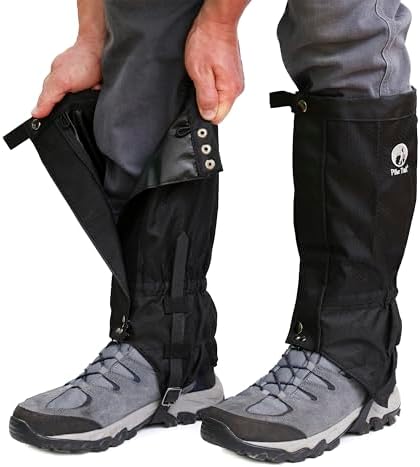
These Pike Trail gaiters are a simple, lightweight solution for snowshoeing in variable winter conditions. Designed to fit comfortably over hiking boots, they provide 360-degree lower leg protection without the bulk of heavier mountaineering gaiters. The waterproof fabric helps block snow and slush, while the adjustable fit works well for both short walks and longer snowshoe hikes.
Their puncture-resistant design adds protection against brush and icy debris, making them a practical addition for winter trails where conditions can change quickly.
Key Specs
Waterproof nylon and polyester construction
Lightweight and fully adjustable fit
Sturdy foot straps with stainless steel buckles
Designed to fit over hiking boots
Suitable for snowshoeing, hiking, and winter trekking

The Unigear gaiters are built for harsher winter conditions and deeper snowshoe routes. Featuring breathable TASLON fabric on the upper leg and reinforced 1000D nylon on the lower section, they balance comfort with serious durability. The TPU water-repellent treatment helps snow and moisture bead off quickly, keeping legs dry during extended snow travel.
An ergonomic shape and reinforced closures ensure a secure seal around boots, which is especially helpful when breaking trail or snowshoeing through powder.
Key Specs
TASLON upper with 1000D nylon lower leg
Water-resistant with TPU coating
Reinforced instep strap and lace hook
Breathable and abrasion resistant
Ideal for snowshoeing, hiking, and winter travel

A long-standing favorite in winter hiking, the Outdoor Research Crocodile Gaiters offer exceptional protection for snowshoeing in demanding conditions. The laminated waterproof construction keeps snow and wind out, while the Cordura-reinforced inner leg stands up to repeated contact with snowshoe frames and icy terrain.
Despite their durability, they remain relatively lightweight and breathable, making them well suited for full-day snowshoe adventures.
Key Specs
Waterproof and breathable laminated fabric
Cordura abrasion-resistant inner leg
Windproof construction
Durable BioThane instep strap
Designed for winter hiking and snowshoeing
Sheepskin insoles

These UGG sheepskin insoles use plush 17mm sheepskin to provide natural warmth and moisture regulation during cold weather activities. The breathable structure helps manage sweat during active snowshoeing, while the cushioned base adds comfort for longer days on packed snow.
They’re a good option for women who want extra warmth without sacrificing breathability.
Key Specs
17mm genuine sheepskin
Naturally breathable and moisture wicking
Dual-density cushioning
Synthetic backing for durability
Designed for winter footwear

Made from dense lambswool felt, these wool insoles focus on warmth and simplicity. Thicker than standard inserts, they provide noticeable insulation during cold snowshoe outings and work well in boots with a bit of extra volume. Their washable design makes them practical for regular winter use.
Key Specs
High-density lambswool felt
6mm ergonomic thickness
Washable and trim-to-fit
Designed for warmth and comfort
Suitable for winter boots and hiking footwear

These Australian sheepskin insoles are designed for extreme cold, offering thick natural insulation and moisture control. The sheepskin top helps regulate temperature, while the pigskin backing adds durability and breathability. They’re particularly useful for long snowshoe days in sub-zero conditions.
Key Specs
100 percent Australian sheepskin
Pigskin backing for durability
Excellent heat retention
Moisture wicking and odor resistant
Suitable for snowshoe boots and winter footwear
What to Look for in Snowshoe Boots
When choosing snowshoe boots, a few key features make all the difference:
Waterproofing & Breathability: Fully sealed membranes like Gore-Tex or proprietary waterproofing build keep moisture out while letting sweat escape, preventing cold, wet feet.
Insulation Level: Snowshoe boots often use 200 g to 400 g insulation depending on how cold you’ll be and how long you’ll be out. Too much insulation can cause sweaty feet on strenuous hikes, while too little leaves toes numb.
Traction: Deep, aggressive lugs on the outsole help prevent slips on packed snow and ice. Rubber winter compounds with multi-directional tread work best.
Fit & Support: A secure fit with room for thick socks prevents blisters and numbness. Boots should provide ankle support without restricting movement. Mid-height designs around 6–8 inches strike a good balance.
Using Barefoot Hiking Boots for Snowshoeing
Barefoot hiking boots can be a surprising option for snowshoeing when paired with proper socks and gaiters. Their flexible, low-profile design allows natural foot movement and balance under snowshoe bindings. For milder snowshoeing days or packed snow routes, a barefoot boot with waterproofing and some insulation, combined with wool or thermal socks, can be a lighter, more comfortable alternative.
What is the Best Boot for Snowshoeing?
The best boot for snowshoeing is one that balances waterproofing, warmth, and stability while remaining comfortable for walking. Many women prefer insulated winter hiking boots, but waterproof hiking boots with thermal insoles can work just as well for moderate conditions.
For those who prefer natural movement, some barefoot winter boots with waterproof leather uppers and removable thermal insoles can also perform well with snowshoes. The most important factors are a secure fit, traction-compatible sole, and adequate protection from cold and moisture.
How to Use Winter Hiking Boots for Snowshoeing
Boot Gaiters
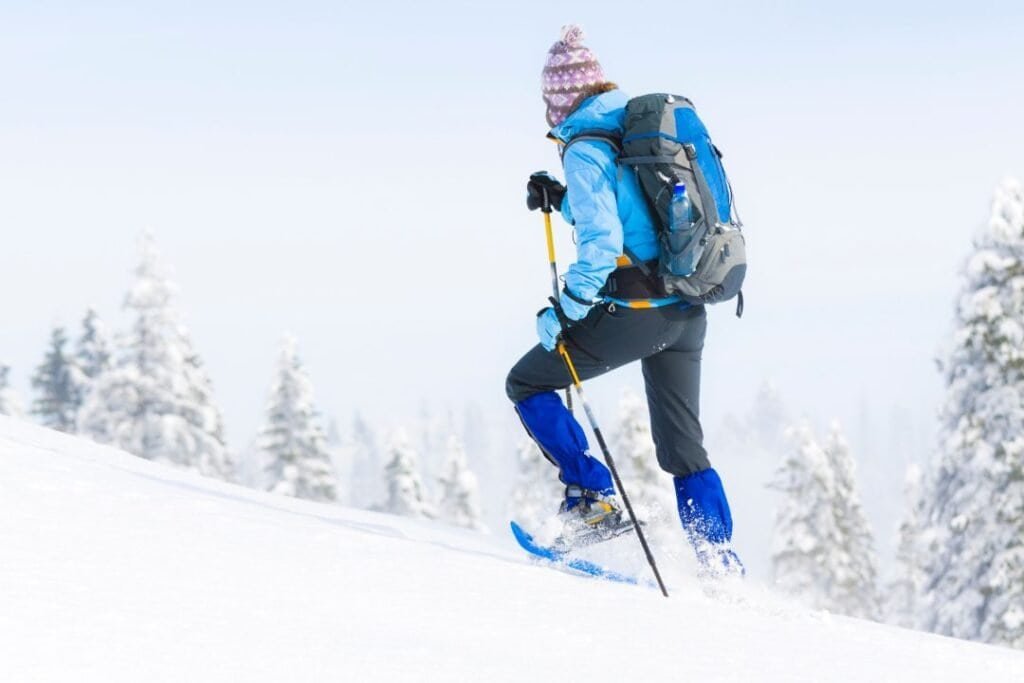
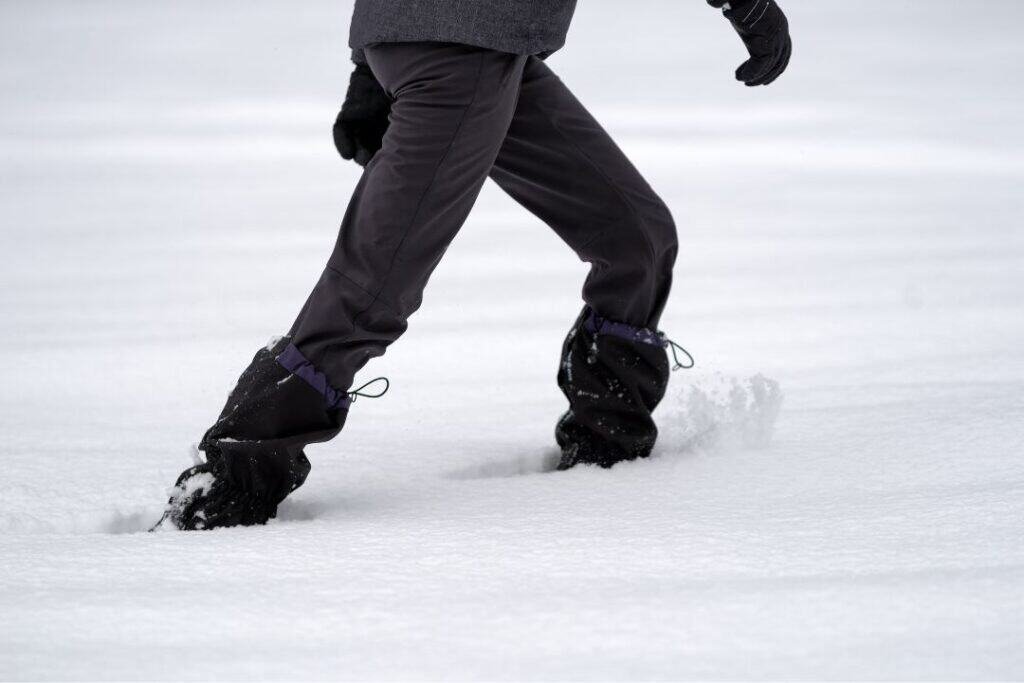
Boot gaiters are often overlooked but can make a big difference in snowshoeing. They wrap around your ankles and calves, bridging the gap between pants and boots to prevent snow from entering the top of your footwear. This keeps your socks dry and helps maintain warmth even when breaking trail or walking through deep, unconsolidated snow. Gaiters are especially useful if you use hiking boots instead of full winter boots for snowshoeing.
Winter Insoles
Upgrading to winter-specific insoles can improve warmth and fit without needing bulkier footwear. Insulated insoles designed for cold weather provide extra thermal comfort on long snowshoeing expeditions and can help fill any slop in your boot when wearing thicker socks. Look for insoles with heat-reflective or wool materials if cold feet are a recurring issue.
FAQs
Can you snowshoe in hiking boots?
Yes, you can snowshoe in hiking boots, and many people do. The key is choosing boots that are waterproof, supportive, and warm enough for winter conditions. Snowshoes attach securely to most hiking boots, making them a flexible option for travelers or hikers who don’t want a single-use winter boot.
For colder climates or longer outings, adding thermal insoles and wearing moisture-wicking, high-quality socks can significantly improve comfort. In deeper snow, pairing hiking boots with gaiters helps keep snow from entering around the ankle.
Are gaiters needed for snowshoeing?
Gaiters are not strictly required for snowshoeing, but they are highly recommended, especially in fresh snow or variable winter conditions. Snowshoes often kick snow upward with each step, and gaiters prevent it from getting inside boots or soaking pant legs.
They’re particularly useful when snowshoeing in hiking or barefoot boots rather than tall winter boots. A good pair of waterproof gaiters adds warmth, keeps feet drier, and reduces the risk of cold-related discomfort over longer distances.
Do I need special shoes for snowshoes?
You do not need special shoes specifically designed for snowshoeing. Snowshoes are built to fit over a wide range of footwear, including hiking boots, winter boots, and some barefoot boots.
What matters most is that your footwear is compatible with snowshoe bindings, offers enough warmth for the conditions, and keeps your feet dry. In colder environments or during longer snowshoe hikes, upgrading your setup with gaiters and winter insoles can make a noticeable difference in comfort and performance.